Key Points
- A significant clean-up effort is underway for a river in South East London, focusing on tackling plastic pollution, fly-tipping, and invasive species.
- The initiative is led by the South East Rivers Trust (SERT), which is actively recruiting volunteers for hands-on activities along affected waterways.
- Specific rivers involved include the Hogsmill, Wandle, Beverley Brook, and potentially others like the Cray and Medway, with volunteer opportunities centred in South London.
- Broader context involves collaboration with the Mayor of London, Thames Water, and the Environment Agency on a Clean and Healthy Waterways Plan to improve water quality across all London rivers.
- Funding announcements include £7 million from City Hall for pollution prevention and rewilding, plus Thames Water’s £20 million fund and efforts to address sewage overflows and misconnected pipes.
- Petra Sovic Davies, SERT’s Senior Catchment Manager, is co-chairing the biodiversity and ecology working group for the plan.
- Additional volunteer efforts, such as ZSL’s London Water Vole Recovery Programme, complement the clean-up with surveys on the Hogsmill River and other sites.
- The scheme draws from past projects like the Preventing Plastic Pollution Project (2020-2023) on the River Medway.
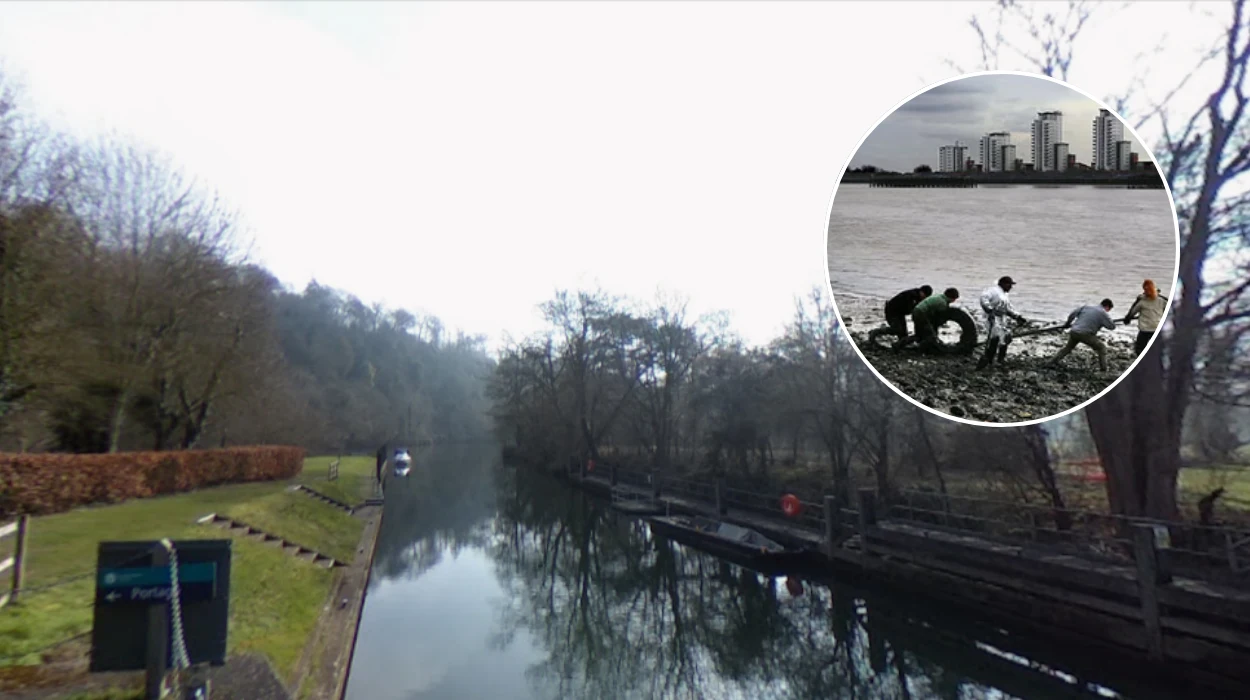
South East London (The Londoner News) April 20, 2026 – A major clean-up operation is set to transform a polluted river in South East London, but organisers are urgently calling for volunteers to make it a success. The South East Rivers Trust (SERT) has launched the initiative targeting plastic pollution and fly-tipping, with immediate opportunities to join river clean-ups along key waterways like the Hogsmill, Wandle, and Beverley Brook.
- Key Points
- Which Rivers Are Targeted in the Initiative?
- Why Do Volunteers Need to Step Up Now?
- What Is the Clean and Healthy Waterways Plan?
- What Funding Supports These Efforts?
- What Role Does SERT Play?
- How Do Other Organisations Contribute?
- What Challenges Do London’s Rivers Face?
- How Can the Public Get Involved?
The effort forms part of a larger push to restore London’s rivers, backed by substantial funding and partnerships. As reported in Shortlist Magazine, the clean-up requires community involvement to address environmental degradation effectively.
Which Rivers Are Targeted in the Initiative?
The clean-up primarily centres on rivers in South East London, with SERT highlighting the Hogsmill, Wandle, and Beverley Brook as priority areas for volunteer action. These chalk streams and brooks suffer from plastic waste, fly-tipping, and invasive species, which volunteers will tackle directly. The trust’s volunteer page specifies opportunities to “join us at a river cleanup to help tackle plastic pollution and fly-tipping” or participate in “invasive species management, freeing a river from” problematic plants.
The River Cray is also encompassed in SERT’s supported waterways, as noted in their updates on the Clean and Healthy Waterways Plan. Historically, the River Medway featured in the Preventing Plastic Pollution Project from 2020 to 2023, providing a model for current efforts.
As detailed by SERT on their website, the River Guardian scheme invites locals to “adopt a stretch of river that you visit regularly,” with past implementations on the Hogsmill, Wandle, Beverley Brook, and Medway. Although funding for the scheme is currently being sought, volunteer clean-ups remain open.
Why Do Volunteers Need to Step Up Now?
Organisers emphasise that community participation is essential, as “who knows the river better than the people who visit it every day?” Without enough hands, the scale of pollution—ranging from plastics to dumped waste—cannot be adequately addressed. Shortlist Magazine’s coverage underscores the urgency, stating the river
“is getting a major clean-up but it needs volunteers”
SERT’s call aligns with ongoing events, such as ZSL’s volunteer surveys on the Hogsmill River scheduled for Monday, 10th March (noting the Eventbrite link for training: https://Hogsmill_OS_2025.eventbrite.co.uk). These complement clean-ups by monitoring water voles and polluting outfalls.
What Is the Clean and Healthy Waterways Plan?
SERT is playing a “key role” in the Mayor of London’s Clean and Healthy Waterways Plan, developed with Thames Water, the Environment Agency, environmental NGOs, and others. This “ambitious plan will encompass all of London’s rivers including the waterways that SERT supports — the Hogsmill, Beverley Brook, Wandle, and Cray,” aiming to boost water quality, biodiversity, and public access.
The plan features four working groups: water quality, accessibility, inclusion and community engagement, and biodiversity & ecology. Petra Sovic Davies, SERT’s Senior Catchment Manager, “will co-chair the biodiversity and ecology working group alongside the Greater London Authority (GLA),” as announced by SERT.
London Mayor Sadiq Khan’s office describes it as a “landmark coalition to deliver major new improvements to London’s rivers,” reversing “years of damage” with vital funding.
What Funding Supports These Efforts?
City Hall has committed £7 million to “reduce road run-off pollution, which is a major contributor to poor water quality,” alongside “large-scale rewilding projects and grants for community-led initiatives.” Thames Water’s business plan includes tackling “26 sewage overflows on key tributaries, including the Wandle,” restoring this chalk stream, plus a “renewed programme to address misconnected pipes.” A new £20m Thames Water rivers and community fund builds on successes like the Smarter Water Catchments programme on the River Crane.
Thames Water will clean up “more than 45 streams and rivers in the capital experiencing pollution from household drains being wrongly connected to rainwater sewers,” targeting priority areas in North and South London.
As reported on the Mayor’s site, these measures aim for “world-leading” ambition across themes for sustainable improvements.
What Role Does SERT Play?
The South East Rivers Trust leads volunteer recruitment and on-the-ground action, from clean-ups to the River Guardian scheme. Their site urges: “You could join us at a river cleanup,” positioning locals as vital to long-term monitoring.
SERT’s involvement extends to policy, with Petra Sovic Davies co-chairing the ecology group.
How Do Other Organisations Contribute?
ZSL’s London Water Vole Recovery Programme seeks volunteers for “bankside surveys to identify and score polluting outfalls,” with Hogsmill training on 10th March, 13:30-15:30.
Thames21’s river cleans have removed thousands of plastics and wet wipes, as in Rainham (4,350 bottles) and Hammersmith (27,000 wipes), showing the impact of volunteer efforts.
The Environment Agency and GLA are integral to the Mayor’s coalition.
What Challenges Do London’s Rivers Face?
Plastic pollution mirrors ocean crises highlighted by Blue Planet II, with rivers equally affected. Fly-tipping and invasive species exacerbate issues, as SERT notes in volunteer tasks.
Road run-off and sewage overflows are the primary culprits, targeted by new funding. Misdirected household drains pollute dozens of streams.
How Can the Public Get Involved?
Signing up via SERT’s volunteer page offers clean-ups, invasive removal, or River Guardian adoption. ZSL provides survey training; Thames21 hosts regular events.
The Mayor’s plan encourages community grants, amplifying local action.