

Key Points
- A £1 billion hyperscale data centre scheme at Premier Park in west London has been approved by the Old Oak and Park Royal Development Corporation planning committee.
- The project is being delivered by a joint venture between Pure Data Centres Group and SEGRO, under the name SEGRO Pure Premier Park Data Centre Limited.
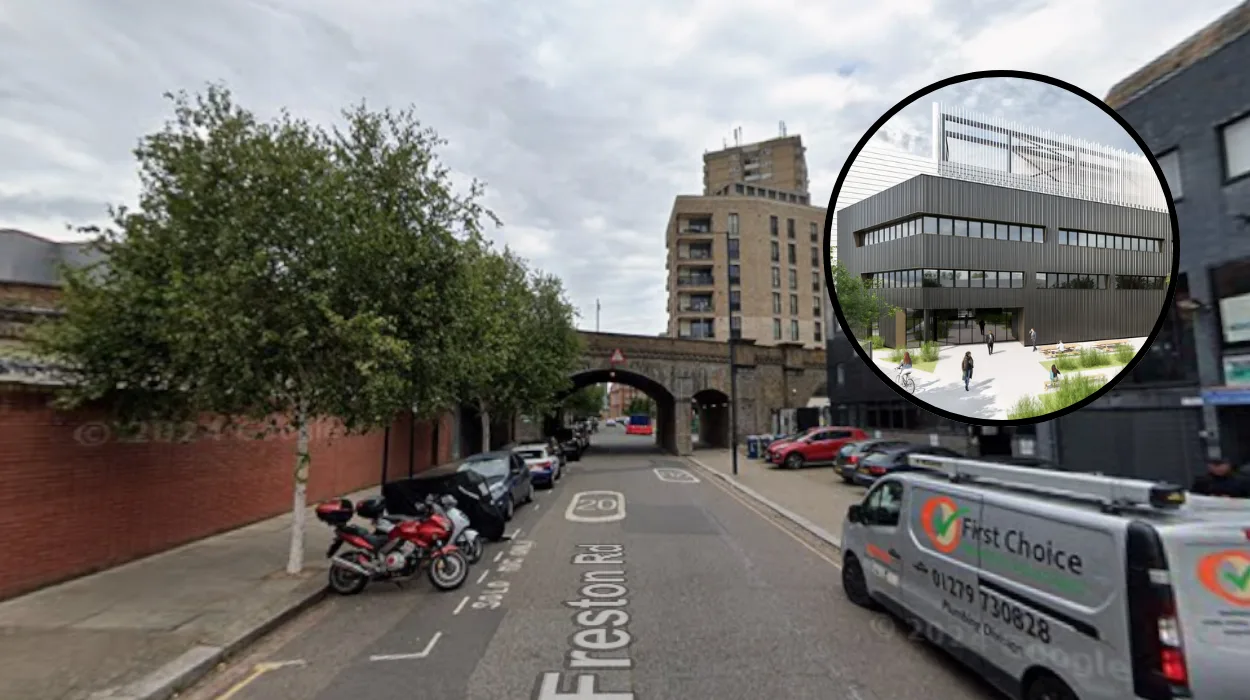
- The development will replace a redundant warehouse site with a large, three-storey, liquid-cooled facility designed for AI-ready infrastructure and high-capacity computing.
- The scheme is described as a 56MW to 72MW project in reporting and project material, with the final approved plan set out as a 22,365 sq m, nine-data-hall development.
- Developers have said the project will support London’s digital infrastructure, create jobs, and contribute to local community benefits.
- Construction is expected to begin in 2026.
West London (The Londoner News) May 6, 2026 – The approval of a major hyperscale data centre at Premier Park marks a significant step in west London’s push to strengthen its digital infrastructure, with the scheme carrying an estimated value of £1 billion and being billed as one of the capital’s largest “AI ready” developments. The project, led by Pure Data Centres Group and SEGRO, has been backed by the Old Oak and Park Royal Development Corporation planning committee and will transform a redundant warehouse site into a liquid-cooled facility built to support rising demand for high-capacity computing.
What has been approved?
The approved scheme will deliver a major data centre at Premier Park in Park Royal, an industrial area in west London that has become increasingly important to the city’s technology and logistics footprint.
According to reporting from Construction Enquirer, the planning committee backed plans to replace the warehouse with a three-storey, liquid-cooled building containing nine data halls, office space, plant areas, storage, and a secure entrance pavilion. The same report said the site will be supported by a dedicated substation to power the high-capacity operation.
Why does the project matter?
The development is being presented as critical infrastructure for the digital economy, especially as demand rises for AI-ready computing capacity and secure, efficient server space. SEGRO said the joint venture brings together a 10-acre prime industrial site and 70MVA of power secured by Pure DC, creating what it described as a strong opportunity in a land and power-constrained London availability zone.
The company also said the facility will be built to high sustainability standards, including a closed-loop liquid cooling system designed to reduce pressure on the local water supply.
Who is behind the scheme?
As reported by Construction Enquirer, the project is being delivered by a joint venture between Pure Data Centres Group and SEGRO. SEGRO’s own project page says the two companies are bringing forward plans for a state-of-the-art data centre at Park Royal to help power the digital economy and support growth in west London.
The site is being developed through SEGRO Pure Premier Park Data Centre Limited, a 50:50 joint venture created to build a fully fitted data centre for hyperscale users.
What did the planners say?
The Old Oak and Park Royal Development Corporation planning committee approved the application after the project had been recommended for sign-off in earlier reporting. The Standard reported that the committee granted approval to the LON02 data centre, describing it as a £1 billion “AI ready” facility and noting that developers had pledged £3 million in community benefits, including a dedicated digital fund.
That reporting also placed the scheme within the wider regeneration work overseen by the OPDC across north-west London.
How large is the investment?
The project is widely being described as a £1 billion investment, reflecting the scale of the build and the power infrastructure required to support it. Earlier project material and trade reporting described the development as a 56MW, 30,000 sq m facility, while later reporting on the approved scheme described it as a 72MW, 22,365 sq m development with nine data halls.
Across those reports, the core message is the same: this is a large-scale hyperscale infrastructure project intended to serve demanding digital workloads.
What will happen next?
Construction is expected to start in 2026, according to Construction Enquirer. Before work begins, the developers will need to move from approval into the delivery phase, including site preparation, technical installation, and the sequencing of the power and cooling systems that are essential to data centre operations.
The project sits within a broader wave of investment in London’s digital infrastructure, where access to power, land, and connectivity continues to shape where large data centres can be built.
Why is west London becoming important?
West London’s Park Royal and surrounding industrial zones are attractive to digital infrastructure developers because they combine large former industrial plots with access to existing grid and transport networks. SEGRO’s project material says the location is valuable precisely because it is a constrained London availability zone with strong underlying demand.
That makes the Premier Park scheme part of a wider competition for sites that can support hyperscale computing near the capital.
What wider impact could it have?
Supporters of the scheme argue that it will create jobs, strengthen local supply chains, and reinforce London’s position as a technology hub. The developer also says the project will bring community benefits and help drive growth in the region. At the same time, the use of substantial power and the physical scale of such schemes means these projects often draw scrutiny from planners, neighbours, and sustainability campaigners, particularly in dense urban areas.
The approval of the Premier Park scheme underlines how data centres are moving from specialist infrastructure into a central part of urban economic planning. With artificial intelligence, cloud computing, and high-intensity digital services increasing demand for large, reliable facilities, the west London project has become a major test case for how cities balance growth, land use, and energy needs.