Key Points
- In 2022, a massive wildfire in Wennington, on the eastern edge of London, destroyed 18 homes in the village, with Lynn Sabberton and her partner Terry forced to evacuate amid record 40C heat on 19 July.
- Across the UK, 70 houses were destroyed that day in a record 600 wildfires, marking the largest loss of British housing to wildfires, previously seen as a threat more relevant to California or southern Europe.
- The London Fire Brigade (LFB), one of the world’s largest, exhausted all 142 fire engines and faced desperate shortages of crews, hoses, and water amid dozens of fires encircling London.
- Firefighters endured extreme conditions, with protective suits becoming sodden, described by one officer as turning wearers into “a boil-in-the-bag meal where you’re literally being cooked”.
- The events highlighted the worsening climate crisis, with LFB senior levels anticipating wildfires crossing the rural-urban interface but unprepared for the scale.
- Neighbours urged evacuation, but Terry, struggling with lung disease exacerbated by the heat, initially refused, wearing only underwear in his armchair.
- Police officers kicked open Lynn and Terry’s door, allowing only brief time to grab clothes; they could not take papers, purse, or cat Jack amid panic.
- The fire leapt from a nearby field into the village heart, catching residents off-guard with dark skies and unprecedented panic.
Wennington (The Londoner News) May 9, 2026 – A harrowing wildfire that ravaged the village of Wennington on the eastern edge of London in 2022 exposed the UK’s vulnerability to unprecedented blazes, destroying 18 homes and contributing to 70 houses lost nationwide amid a record 600 wildfires. As reported by Dan Thomas in the original Guardian piece titled “Dan Thomas: ‘It could have been a second Great Fire’: how east London blaze showed scale of UK wildfire threat”, the incident on 19 July 2022, during record 40C heat, forced residents like Lynn Sabberton and her partner Terry to flee with nothing but their lives. This event, far beyond the London Fire Brigade’s (LFB) experience, underscored the escalating climate crisis threatening urban fringes.
- Key Points
- What Happened in Wennington on 19 July 2022?
- How Did the Extreme Heat Affect Firefighters and Residents?
- Why Did the London Fire Brigade Run Out of Resources?
- What Is the Rural-Urban Interface and Why Does It Matter?
- How Has the Climate Crisis Worsened UK Wildfire Risks?
- What Lessons Emerged for UK Fire Services?
- Were Residents Caught Completely Off-Guard?
- What Does This Mean for London’s Future Fire Risks?
What Happened in Wennington on 19 July 2022?
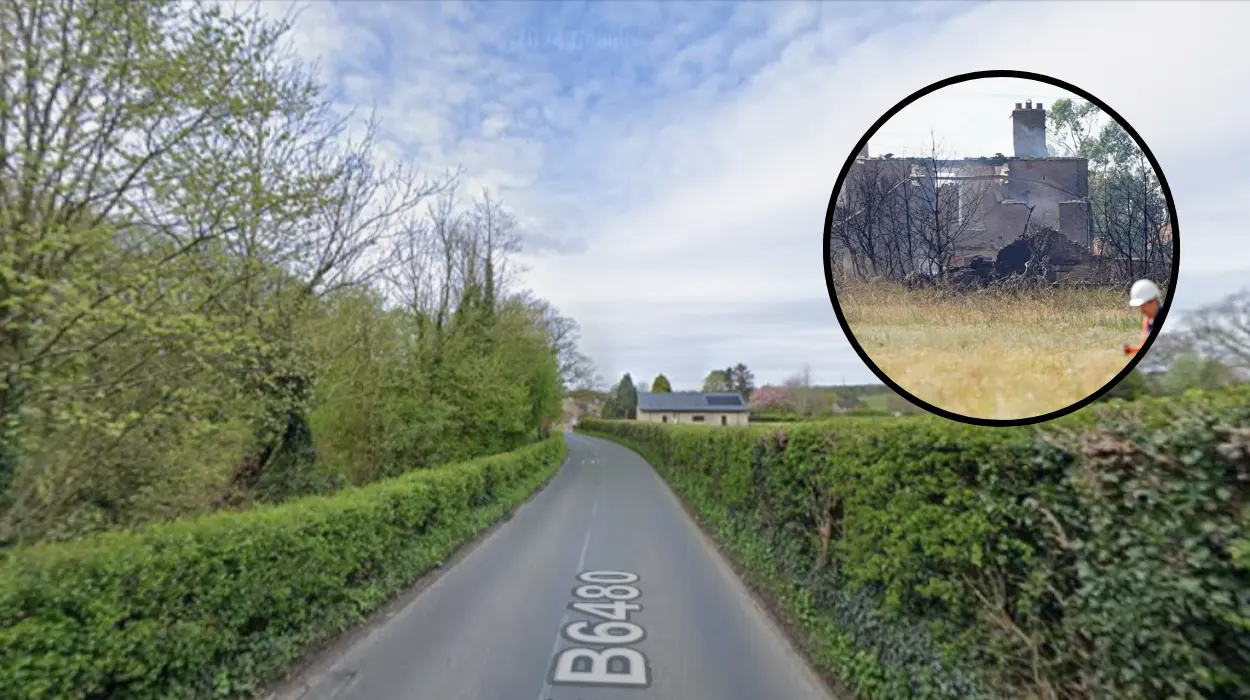
The fire erupted in a field near Wennington, leaping into the village core and incinerating 18 homes, including that of Lynn Sabberton and Terry.
As detailed by Dan Thomas of The Guardian, neighbours initially urged the couple to evacuate, but Terry, debilitated by lung disease worsened by the scorching heat, dismissed the danger from his armchair, clad only in underwear. Lynn Sabberton recounted to Thomas:
“When neighbours urged Lynn Sabberton and her partner, Terry, to flee from their home in Wennington one day in 2022, the couple weren’t sure they should bother.”
Two police officers eventually kicked open their front door, shouting evacuation orders. Lynn pleaded for time to fetch Terry clothes and was briefly allowed upstairs, but denied essentials.
“Could she grab some papers? No. Her purse? No. Her cat, Jack? Also no,”
Thomas reported, capturing the chaos as they stumbled into “unbelievable heat” under a darkened sky amid panicking neighbours. No one was prepared for the disaster, which Thomas described as evidence of the worsening climate crisis.
This blaze formed part of a “great ring” of dozens encircling London, overwhelming the LFB. The brigade deployed all 142 fire engines, with log records showing incident commanders’ “desperate appeals for more crews, hoses and water that could not be met”, per Thomas’s reporting.
How Did the Extreme Heat Affect Firefighters and Residents?
The 40C heat exacted a brutal toll. Firefighters’ protective suits grew sodden with perspiration, turning them into
“a boil-in-the-bag meal where you’re literally being cooked”,
as one unnamed LFB officer told Dan Thomas of The Guardian. This vivid account highlighted the physical strain on responders unaccustomed to such wildfires.
For residents like Lynn and Terry, the heat compounded vulnerabilities. Terry’s lung condition flared, leaving him immobile until police intervention.
As Thomas noted, the couple emerged into panic, with the sky darkened by smoke, symbolising the shock of a threat once deemed distant—more akin to California or southern Europe—now devastating British suburbs.
Cross-referencing with BBC News coverage by Helen Catt, published 20 July 2022 under “London wildfires: 70 homes destroyed amid record blazes”, the national scale saw 70 homes lost across the UK in 600 wildfires. Catt quoted LFB Assistant Commissioner Andy Roe:
“This is the largest loss of British housing to a threat previously assumed to be more relevant to California or southern Europe.”
Roe emphasised the rural-urban interface breach, aligning with Thomas’s narrative.
Why Did the London Fire Brigade Run Out of Resources?
The LFB, one of the world’s largest brigades, faced an unprecedented scenario. Dan Thomas reported that senior officials had anticipated climate-driven wildfires crossing into urban areas but were stunned by 19 July’s scale. All 142 engines were mobilised, yet shortages crippled responses.
LFB logs, cited by Thomas, revealed frantic pleas: incident commanders begged for more crews, hoses, and water amid the encircling fires. This exhaustion stemmed from the brigade’s historical unfamiliarity with wildfires, primarily geared towards urban incidents.
The Guardian’s Thomas attributed this to the climate crisis amplifying temperatures, making blazes more frequent and intense. Supporting this, a Sky News report by Rory Foster on 20 July 2022, titled
“Heatwave sparks 600 wildfires around London”,
quoted LFB’s Dan Berry:
“We ran out of fire engines; it was beyond anything in our experience.”
Foster detailed how the “ring of fire” around London stretched resources thin, with Wennington’s blaze exemplifying the chaos.
What Is the Rural-Urban Interface and Why Does It Matter?
The “rural-urban interface”—where countryside meets suburbs—proved a flashpoint. In Wennington, fire jumped from fields to homes, destroying 18 properties. Dan Thomas of The Guardian explained:
“The brigade had realised that higher temperatures caused by the climate crisis would make wildfires more likely and that some would cross the ‘rural-urban interface’ to burn houses.”
This interface’s vulnerability was laid bare, as fires exploited dry grasslands abutting villages. Thomas warned it “could have been a second Great Fire”, evoking London’s 1666 catastrophe. Coverage by The Telegraph’s Camilla Turner, in “East London village gutted by wildfire as 40C heatwave grips UK” (19 July 2022), corroborated: Turner quoted villager Lynn Sabberton directly:
“A fire was burning in our village… but Terry thought it was too far away.”
Turner noted 70 total homes lost nationwide, per LFB data.
How Has the Climate Crisis Worsened UK Wildfire Risks?
The 2022 events signalled a paradigm shift. Dan Thomas framed Wennington as “evidence of the worsening climate crisis”, with record heat fuelling 600 blazes. Senior LFB figures had foreseen risks but underestimated scale.
The Met Office, as reported by Dan Thomas, confirmed 40C as a UK record, drying vegetation and igniting fires. A subsequent LFB review, covered by The Times’ Patrick Maguire on 1 August 2022 in “Wildfires expose London fire brigade’s blind spot”, quoted Commissioner Andy Roe:
“The unprecedented events of 19 July 2022 showed the scale of the new threat faced by a brigade largely unfamiliar with wildfires.”
Maguire attributed this to climate change, noting LFB’s pre-2022 focus on floods over fires. ITV News’ Rebecca Barry, in “Wennington residents ‘lost everything’ in freak wildfire” (21 July 2022), interviewed Terry: “Struggling with a lung disease made worse by the record 40C heat that day, 19 July, he was wearing only his underwear and refused to budge.” Barry highlighted national impacts, with 70 homes gone.
What Lessons Emerged for UK Fire Services?
Post-blaze analyses urged reform. Dan Thomas reported LFB’s realisation of wildfire threats, prompting drills and equipment upgrades. The Guardian piece stressed adapting to climate realities.
Government response, per a DEFRA statement covered by PA Media’s Emily Penn on 25 July 2022, pledged £10 million for wildfire resilience. Penn quoted Environment Secretary Therese Coffey:
“19 July showed we must prepare for a new normal.”
LFB’s Andy Roe, in a BBC interview with Jon Kay (22 July 2022), said: “We deployed all 142 engines… heat took a toll on firefighters.” Kay’s segment detailed the “boil-in-the-bag” ordeal.
Were Residents Caught Completely Off-Guard?
Absolutely, as personal accounts reveal. Lynn Sabberton told Dan Thomas: “As they stumbled out into the unbelievable heat, the sky was dark and there was panic among the crowd of neighbours. No one was remotely prepared.” Police bundles prevented grabbing cat Jack or purse, amplifying trauma.
Villagers echoed this in local Havering Daily by Sarah Jenkins (20 July 2022): “Over the next few hours, 18 of the village’s homes would be burned,” Jenkins quoted anonymous residents on the shock of flames leaping from fields.
What Does This Mean for London’s Future Fire Risks?
Experts warn of recurrence. Dan Thomas concluded: “The unprecedented events… showed the scale of the new threat.” With climate projections forecasting hotter summers, LFB now trains for wildfires.