
Key Points
- Bridgerton Filming Site: The 45-acre National Trust property at West Wycombe Park has officially reopened to visitors following a highly publicised three-week closure for television production.
- Dual Roles in the Series: The Palladian mansion serves as Romney Hall, the home of Sir Phillip Crane and Marina Thompson, while the surrounding grounds double as parts of Aubrey Hall, the Bridgerton family’s country estate.
- Iconic Scenes Staged on Site: The estate’s man-made lake and wooded pathways provided the backdrops for Anthony Bridgerton’s infamous rowboat fall and his initial misty horseback encounter with Kate Sharma.
- Rich and Scandalous History: Built in the 18th century by the eccentric Sir Francis Dashwood, the estate was once the headquarters for the notorious secret society known as the Hellfire Club.
- Major Cinematic Hub: Beyond its prominent role in the Regency-era romance drama, West Wycombe Park has hosted crews for high-profile productions including Beetlejuice Beetlejuice, Downton Abbey, The Crown, and Bridget Jones’s Baby.
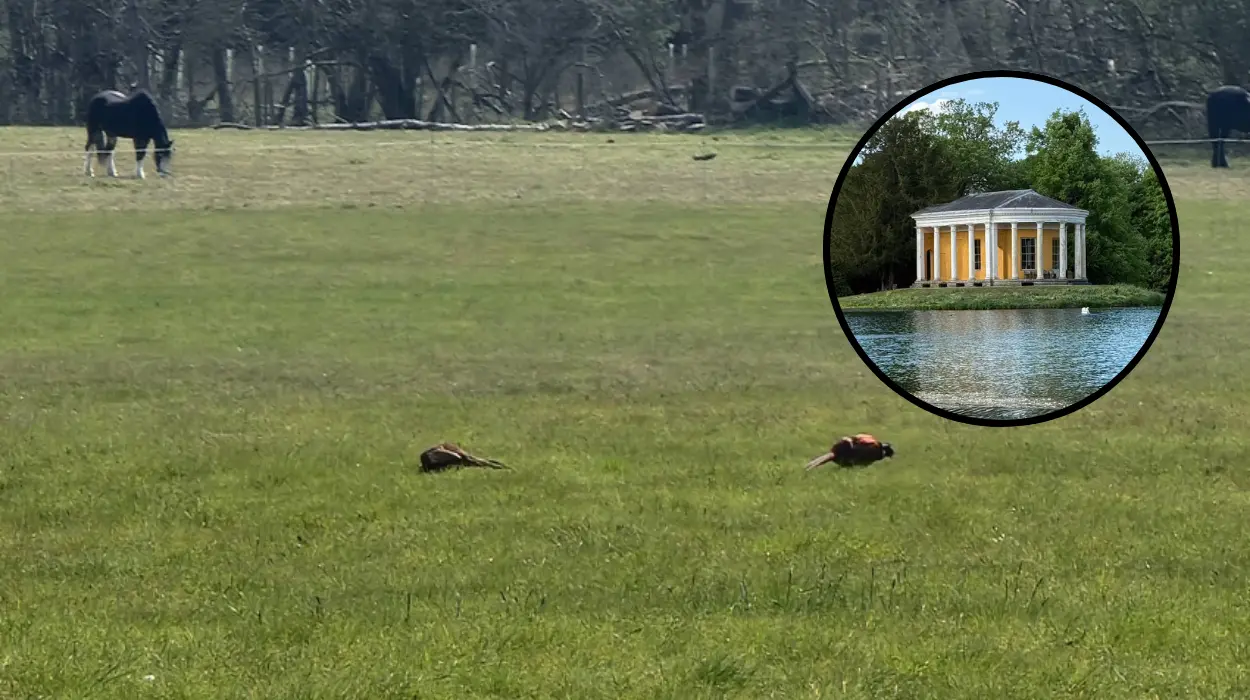
High Wycombe (The Londoner News) July 11, 2026 – The expansive parklands and stately rooms of West Wycombe Park have officially reopened to members of the public following a temporary three-week closure dedicated to high-profile filming. As reported by the editorial staff of Ham & High, the 45-acre National Trust estate in Buckinghamshire serves as a critical backdrop for Netflix’s global hit series Bridgerton, offering fans of the period drama a highly accessible destination for day trips located just outside of north London. The property welcomed visitors back on Tuesday, 7 July, and is scheduled to remain accessible for exploration throughout the remainder of the summer season.
- Key Points
- Which Bridgerton Scenes Were Filmed at West Wycombe Park?
- How Does West Wycombe Park Figure Into the Famous Bridgerton Lake Scenes?
- What is the Significance of the Yellow Decor Inside Sir Phillip Crane’s Estate?
- What is the Secret History of Sir Francis Dashwood and the Hellfire Club?
- Which Other Famous Movies and TV Shows Have Filmed at the Estate?
- What Can Visitors See at West Wycombe Park and the Hellfire Caves Today?
- How Do I Plan a Day Trip to West Wycombe Park From London?
The estate operates under a dual structural identity within the cinematic universe of the show. The grand Palladian mansion functions as the residence of Sir Phillip Crane and Marina Thompson, known textually as Romney Hall, whilst the wider landscape has been utilized to capture pivotal outdoor sequences set on the Bridgerton family’s sprawling ancestral estate, Aubrey Hall.
Which Bridgerton Scenes Were Filmed at West Wycombe Park?
The visual versatility of the estate has allowed production crews to depict completely distinct narrative locations within a single property. As detailed by television location analysts writing for Goboony, West Wycombe Park played a central structural role during the filming of the show’s second season. The estate’s interior state rooms were dressed to become the botanical-heavy, yellow-toned rooms of Romney Hall, where Colin Bridgerton travels to seek closure from his former flame, Marina Thompson.
Concurrently, the expansive parkland surrounding the main house was converted into the outdoor settings of Aubrey Hall. The historic grounds provided the specific filming site for the tension-filled flashback sequences surrounding the sudden death of Patriarch Edmund Bridgerton, as well as the emotionally intense scenes depicting Dowager Viscountess Violet Bridgerton in childbirth.
Furthermore, the estate’s extensive water features and paths were essential to the development of the central romantic arc between Anthony Bridgerton and Kate Sharma. The location team utilized the estate’s private drives and wooded pathways to stage the atmospheric, misty morning scene where the two characters first meet whilst on horseback.
How Does West Wycombe Park Figure Into the Famous Bridgerton Lake Scenes?
One of the most widely discussed sequences of the series took place directly on the man-made lake situated at the heart of the estate. Writing for Shondaland, entertainment reporter and location chronicler staff gathered insights from the production team regarding how the property’s unique topography was manipulated to simulate public London spaces. As confirmed by Bridgerton Location Manager Tony Hood in a statement published by Shondaland, the production team actively utilized the historic gardens and water systems to double as Hyde Park.
In this specific sequence, the character of Anthony Bridgerton, portrayed by actor Jonathan Bailey, attempts to showcase his boating proficiencies to impress the Sheffield and Sharma families. The comic relief and subsequent romantic tension of the scene culminate when Anthony accidentally loses his balance and plunges directly into the water. According to the production logs shared by Tony Hood, the complete absence of modern eyesores—such as overhead power cables, contemporary signage, and public footpaths—rendered the West Wycombe lake an ideal setting for executing these complex water-based period sequences without the need for extensive digital alteration.
What is the Significance of the Yellow Decor Inside Sir Phillip Crane’s Estate?
The distinct interior aesthetic of West Wycombe Park has generated substantial analytical discussion among period drama commentators and fans alike. The state rooms of the mansion are characterized by highly vibrant architectural choices, including distinctly yellow dining rooms, drawing rooms, and workspaces filled with classical antiquities. As noted in comprehensive costume and set design breakdowns compiled across digital forums like Reddit’s dedicated Philoise research group, the production team purposely leaned into the natural architectural colour palette of West Wycombe Park to reinforce character subtext.
During Colin Bridgerton’s season two visit to the Crane estate, the set is visibly saturated with yellow tones, ranging from the walls to the cakes served at tea and the specific waistcoat worn by actor Chris Fulton in his portrayal of Sir Phillip. Commentators have highlighted that within the broader color theory of the television adaptation, yellow remains heavily tethered to themes of legacy, intellect, and transition. The domestic space provided by West Wycombe Park allows the director to visually isolate the character of Sir Phillip within an environment that reflects his academic pursuits in botany whilst subtly foreshadowing future narrative arcs involving the wider Bridgerton family.
Explore More North London News
Retro SoCal Diner Johnny Boy’s Opens in Stoke Newington 2026
Brent Council Declares Gambling Emergency Over Betting Shops: North London 2026
What is the Secret History of Sir Francis Dashwood and the Hellfire Club?
Long before the arrival of modern television cameras, the grounds of West Wycombe Park were synonymous with the private eccentricities and secretive pastimes of the British Georgian elite. As outlined by regional historians writing for Ham & High, the grand Palladian mansion was constructed from 1735 until 1781 as a private pleasure palace for Sir Francis Dashwood, a libertine Baronet who also served as the Chancellor of the Exchequer. Sir Francis sought to create an architectural marvel heavily inspired by his extensive travels on the Grand Tour, resulting in one of the most distinctly Italianate country homes in England.
Sir Francis did not confine his creative impulses to traditional architecture; he actively co-founded the highly controversial and secretive Hellfire Club. Officially named the Order of the Knights of St Francis, this elite 18th-century society comprised individuals of high social and political status, including the Earl of Sandwich and, as historical records strongly suggest, American statesman Benjamin Franklin during his time in London.
Operating under the epicurean motto of “Do What Thou Wilt,” the club held gatherings that were heavily shrouded in contemporary mystery. Rumours circulated wildly throughout Georgian society regarding heavy drinking, political satire, mock religious rituals, and lavish parties held deep within the estate. To facilitate these gatherings, Sir Francis commissioned the excavation of an intricate network of chalk caverns located directly beneath the property. These underground chambers, known today as the Hellfire Caves, extended over half a mile into the hillside, leading to an isolated “Inner Temple” situated near the park boundary where the society could meet away from public scrutiny.
Which Other Famous Movies and TV Shows Have Filmed at the Estate?
The versatility of the main house and its surrounding acreage has established West Wycombe Park as one of the most sought-after filming locations within close proximity to London’s major film studios. As reported by lifestyle editor Amanda Robinson of Muddy Stilettos, the property boasts an extensive cinematic resume spanning multiple decades and genres. The house has effectively doubled for a wide array of global settings, ranging from a Russian Palace and the White House to a classic French Chateau and Buckingham Palace.
According to the production databases maintained by the West Wycombe Estate management team, the property has hosted the following notable projects:
- Beetlejuice Beetlejuice: The highly anticipated cinematic sequel starring Michael Keaton and Winona Ryder utilized the historic churchyard and graveyard on the estate to film central funeral sequences.
- Bridget Jones’s Baby: The estate’s prominent St Lawrence’s Church, featuring its iconic golden ball, served as the visual setting where the title character marries Mark Darcy in the final act of the third film.
- Downton Abbey: The interior state rooms and manicured lawns were utilized to represent high-society country gatherings during the later seasons of the acclaimed British television drama.
- The Crown: Netflix production crews frequently selected the property to stand in for various royal residences and private estates across multiple seasons documenting the Windsor dynasty.
- Sense and Sensibility: The traditional, unaltered landscape gardens made the property a natural choice for classical Jane Austen adaptations requiring authentic late-18th-century vistas.
What Can Visitors See at West Wycombe Park and the Hellfire Caves Today?
The estate is currently managed via a collaborative arrangement where the National Trust oversees public access to the grounds, while the Dashwood family retains private residential occupancy of the upper floors, maintaining a continuous family connection that dates back to the 1690s. As detailed by travel guides published in Homes and Antiques, visitors to the estate can personally explore the structural layout that regular television viewers observe on screen.
The main mansion features highly preserved architectural details, including scagliola columns designed to replicate classical Roman atriums, extensive wall paintings inspired by Raphael’s Vatican Loggia, and painted ceilings copied directly from Robert Wood’s historical volume, The Ruins of Palmyra. The surrounding 45 acres of parkland feature an array of Greek and Italian-inspired temples, decorative follies, a dramatic cascade, and the precise lake used in the Bridgerton boating scenes.
Slightly removed from the tranquil landscape gardens, the entrance to the Hellfire Caves offers a starkly different historical experience. Restored by the Dashwood family in the 1950s to generate maintenance funds for the main house, the caves are fully open to the public. Visitors can walk through the chalk-cut tunnels to view the subterranean banqueting halls and chambers where Sir Francis Dashwood and his contemporaries conducted their notorious evening meetings, providing a rare window into the private lives and excesses of the 18th-century ruling class.
How Do I Plan a Day Trip to West Wycombe Park From London?
For fans of period dramas and British heritage seeking to visit the location, the estate is situated in Buckinghamshire, roughly an hour’s drive from north London, making it a highly practical option for day excursions. As outlined in the public ticketing and scheduling advisories issued via the National Trust’s official documentation, the estate maintains specific seasonal opening times to balance public access with private residential use and ongoing filming schedules.
While the subterranean Hellfire Caves operate on an independent calendar throughout much of the year, the main Palladian house and the landscape gardens are strictly seasonal, typically welcoming the public from late spring through the end of August. Visitors are advised by estate management to check local travel notices prior to departure, as sudden, short-term closures can occur when international production companies reserve the house for active filming projects, as occurred during the three-week period in June and July. The historic village of West Wycombe itself remains preserved under the care of the National Trust, offering well-preserved 16th-century buildings, traditional local pubs, and walking paths that connect the village directly to the hill features overlooking the estate.