
Key Points
- A senior coroner concluded that failures by multiple public bodies—including children’s social care, youth offending teams, mental health services, and housing providers—possibly contributed to the fatal shooting of 14-year-old Corey Junior Davis.
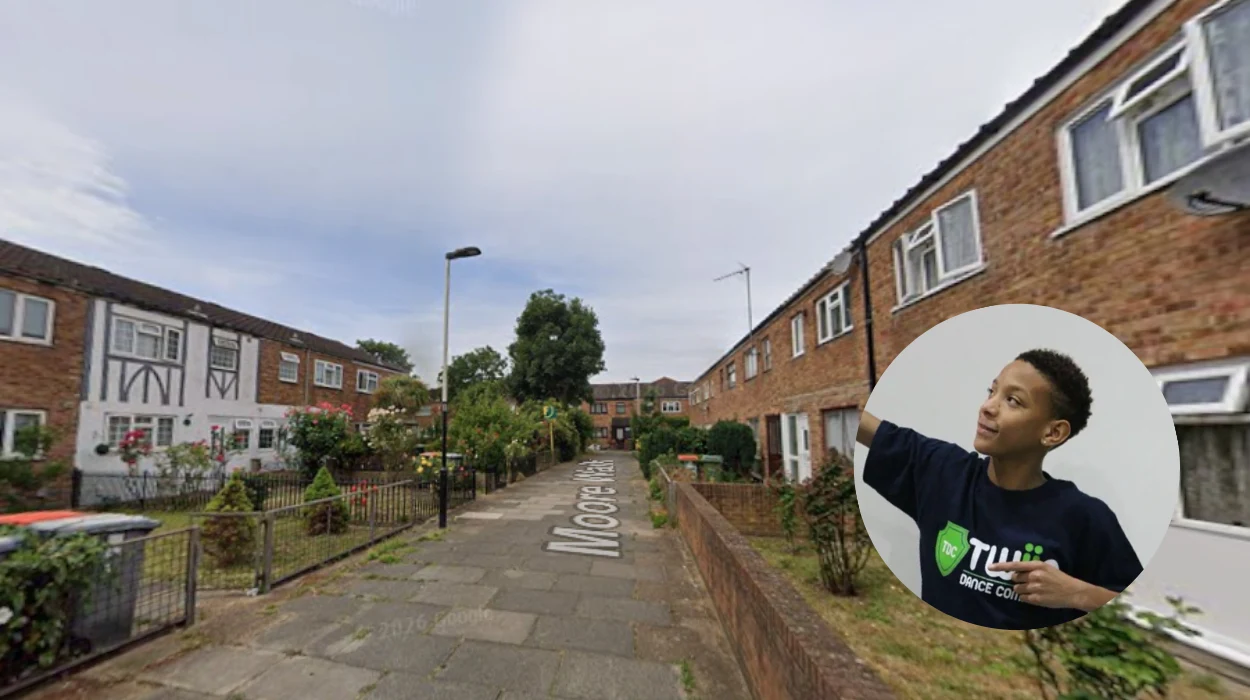
- Corey Junior Davis, affectionately known as CJ, was fatally shot during a drive-by incident at a playground located in Moore Walk, Forest Gate, east London, on September 4, 2017. He passed away in hospital the following day after his family made the distressing decision to withdraw life-sustaining treatment.
- HM Senior Coroner Graeme Irvine recorded a conclusion of unlawful killing at East London Coroner’s Court, noting that admitted failings by the Metropolitan Police, the London Borough of Newham, and London & Quadrant (L&Q) Housing Trust may have played a part in the tragedy.
- The inquest, structured under Article 2 to examine whether authorities took reasonable steps to protect CJ’s life, heard five days of evidence detailing missed opportunities, systemic breakdowns, and inadequate multi-agency cooperation.
- CJ’s mother, Keisha McLeod, delivered harrowing testimony highlighting how her persistent pleas for help, relocation, and adequate pastoral safeguarding were largely overlooked or met with bureaucratic inertia following her son’s transition to secondary school and subsequent vulnerability to gang exploitation.
London (The Londoner News) July 27, 2026 — The grieving mother of 14-year-old Corey Junior Davis, who was gunned down in an east London playground nearly a decade ago, finally received judicial recognition of the systemic state failures that preceded her son’s murder. HM Senior Coroner Graeme Irvine, presiding over a harrowing five-day Article 2 inquest at East London Coroner’s Court, formally recorded that widespread institutional breakdowns across children’s social care, youth offending teams, mental health providers, and housing services possibly contributed to the teenager’s execution-style killing. CJ, a bright and energetic boy diagnosed with ADHD, was sitting in a playground on Moore Walk in Forest Gate on September 4, 2017, when he became the tragic casualty of a gang-related drive-by shooting.
Why Did Multiple Public Agencies Fail to Protect 14-Year-Old Corey Junior Davis?
The inquest laid bare a chilling chronicle of institutional paralysis and fragmented communication. As reported by legal and news media correspondents monitoring the proceedings, HM Senior Coroner Graeme Irvine concluded that admissions of operational failure by the Metropolitan Police, the London Borough of Newham, and the London & Quadrant (L&Q) Housing Trust highlighted a severe lack of cohesive safeguarding. Despite clear indicators that CJ was being targeted and manipulated by local criminal networks following his transition to Forest Gate Community School, public authorities operated in isolated silos.
Legal representatives and journalists documenting the courtroom disclosures noted that the inquest specifically scrutinized why vital warnings raised by educators, family members, and medical personnel failed to trigger a unified protection plan. Yvonne Kestler, representing the family’s legal interests through Leigh Day, stated that
“despite this, it is clear that the police, youth offending teams, mental health and housing providers failed to work together effectively to protect CJ and so contributed to failings in CJ’s care.”
The coroner’s determination under Article 2 mandated a rigorous examination of whether the state fulfilled its obligation to take reasonable preventative steps to preserve the young boy’s life.
What Did CJ’s Mother Reveal About Her Desperate Pleas for Help?
At the heart of the legal inquiry was the heart-wrenching testimony of CJ’s mother, Keisha McLeod, who detailed years of fighting a brick wall of bureaucratic indifference.
As highlighted in reports covering the inquest, Ms McLeod explained that although her son had flourished with dedicated support during his primary school years, the necessary pastoral adjustments and behavioral structures completely collapsed once he entered secondary education.
In statements provided outside the court and documented by legal researchers, Ms McLeod expressed the profound anguish of a mother ignored. As reported by Leigh Day and regional outlets, Keisha McLeod stated:
“For almost nine years I have waited for answers about what happened to my son and whether more could and should have been done to protect him. Now, the coroner at his inquest has found that it was possible that failures by the agencies involved in his care contributed to his death.”
Before his death, the family’s terror had escalated to such a severe degree that they independently arranged for CJ to move out of the London Borough of Newham entirely, relocating him to stay with relatives in south London while attempting to secure safe sanctuary.
During this tumultuous period, CJ received home tuition while desperate efforts were made to carve out a permanent escape route from the gang elements plaguing his environment.
Explore More East Crime News
Three London Criminals Imprisoned After M25 Service Station Migrant Transfer Scheme Exposed
Two men held after M25 London chase ram in 2026
How Did Housing and Social Care Delays Compound the Danger?
The tribunal heard extensive evidence regarding the catastrophic delays in securing stable, permanent housing away from the volatile neighborhoods of east London. Testimony established that a glimmer of hope had briefly emerged when the family was offered a housing property in Redbridge.
According to accounts presented during the hearings, CJ had grown genuinely excited about the prospect, viewing the relocation as a genuine fresh start, and even spent time researching local schools where he intended to resume his education safely.
Tragically, administrative lethargy and poor inter-agency coordination meant that safety nets failed to materialize before the assassins struck. On September 4, 2017, while visiting the playground on Moore Walk, CJ was struck down in a hail of gunfire.
He was rushed to hospital in critical condition, but his injuries proved unsurvivable. The following day, faced with insurmountable medical prognosis, his family made the agonizing choice to withdraw life-sustaining treatment.
How Do the Family and Authorities Plan to Honor CJ’s Legacy?
In the wake of the coroner’s damning conclusions, attention has pivoted toward structural reform and institutional accountability.
While public bodies including the Metropolitan Police, Newham Council, and L&Q Housing Trust have insisted that vital lessons have been learned over the intervening years, the family remains steadfast in demanding systemic transformation to prevent other vulnerable children from falling through the cracks.
Reflecting on her son’s true character away from the grim headlines of gang violence, Keisha McLeod shared a poignant portrait of a boy full of life. As noted in public statements reported by legal advocates, Keisha McLeod recalled:
“CJ was so much more than the circumstances of his death. He was funny, loving, kind and full of dreams. He loved his family with everything he had, and we loved him beyond words. Nothing will ever bring CJ back, but I hope this inquest means that vulnerable children who are being exploited today receive the protection that CJ needed. That would be part of his legacy.”
As legal teams examine the full breadth of the coroner’s findings, the case stands as a stark reminder of the fatal consequences of institutional failure, leaving a community to ponder what might have been had authorities listened when a mother first begged for help.