
Key Points
- Apology by Ealing Council: Ealing Council was compelled to provide an apology for leaving an 18-year-old with disabilities without receiving the requisite therapies for more than one year.
- Investigation: An investigation carried out by the Local Government and Social Care Ombudsman followed the complaint raised by the father of the child, who was known as Mr. X in the reports released.
- Therapy Requirements: The child affected and diagnosed with autism failed to get crucial speech and language therapy along with occupational therapy according to the Education, Health and Care Plan (EHCP).
- Required Therapy Hours: In the academic year that began in September 2024 (after the final EHCP in August 2024), Child Z was expected to get 15.75 hours of speech and language therapy and 22 hours of occupational therapy.
- Speech and Language Therapy: In the period of September 2024 to January 2025, no speech and language therapy services were provided to Child Z, resulting in missing 7.75 hours of the mandatory services along with additional privately organized services by the parents.
- Occupational Therapy: The child also lacked occupational therapy services from August 2024 to May 2025, leading to considerable delays in developing essential development opportunities.
- Compensation and Recommendations: Ealing Council was instructed to compensate the family by £700 and encouraged to review its commissioning process to avoid such systemic errors.
- Council’s Explanation: A part of the delay was blamed by Ealing Council on the nation-wide therapist shortages while agreeing with all the findings and recommendations of the Ombudsman.
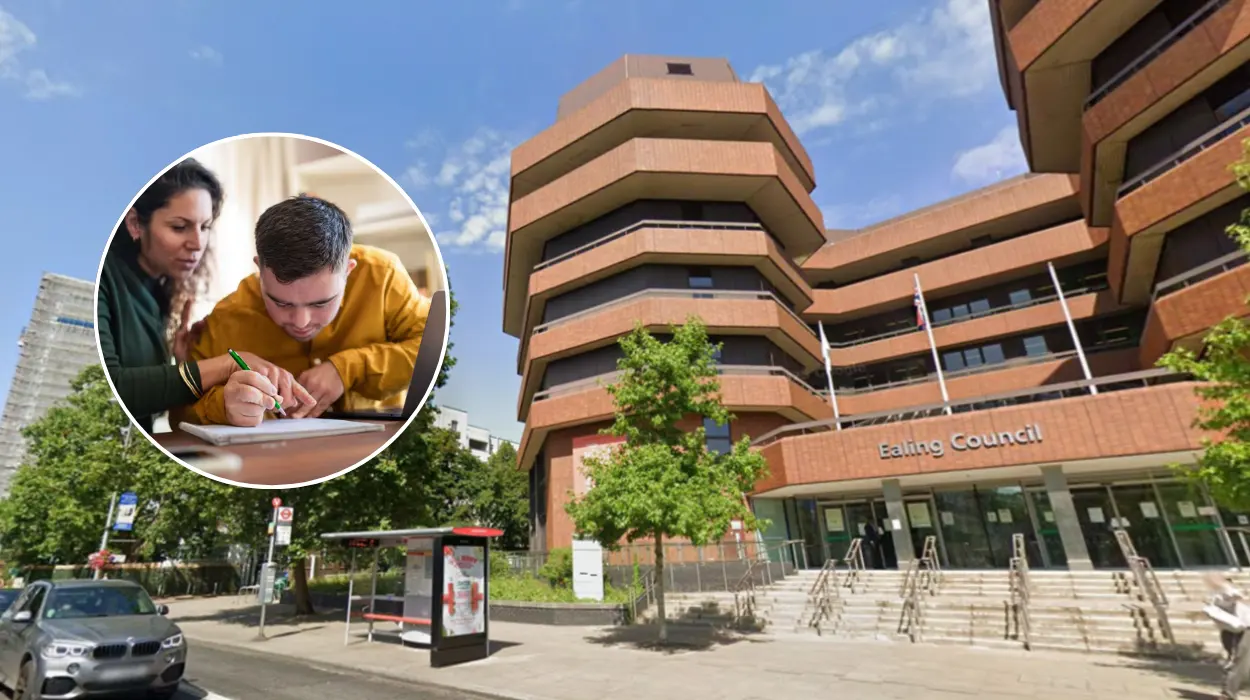
London (The Londoner News) September 4, 2026 – Ealing Council faced severe backlash and regulatory censure after an official investigation revealed that a vulnerable, disabled 18-year-old was left without legally mandated healthcare and educational therapies for an extended period. The local authority was compelled to issue a public apology and pay financial compensation after the Local Government and Social Care Ombudsman uncovered multiple administrative and legal failures.
What led to the Ombudsman investigation into Ealing Council?
The regulatory probe was triggered following a formal complaint lodged by the father of the teenager, who was identified in the public watchdog documents as Mr X. As reported by local democracy and news journalists, Mr X raised serious concerns regarding the local authority’s absolute failure to deliver essential support services for his child, Child Z, who has a diagnosis of autism.
Under the statutory guidelines of an Education, Health and Care Plan (EHCP), which was finalised in August 2024, the council held a strict legal obligation to ensure the young person received tailored special educational and medical provisions. Specifically, the plan dictated that for the academic year beginning in September 2024, Child Z was entitled to 15.75 hours of speech and language therapy alongside 22 hours of occupational therapy.
However, the statutory provisions failed to materialise promptly. As documented in the investigative findings, one month after finalising the plan, the local authority referred the child to six separate external providers for each therapy discipline. Despite these referrals, consecutive months elapsed without the delivery of vital care, forcing the family to navigate a frustrating labyrinth of administrative inaction.
How many hours of therapy did the disabled teenager miss?
According to the findings published by the Local Government and Social Care Ombudsman, the young person experienced severe gaps in care that directly violated their statutory entitlements. As detailed in reports covering the watchdog’s decision, Child Z received zero speech and language therapy between September 2024 and January 2025. This initial blackout meant the teenager missed 7.75 hours of core statutory provision, excluding the independent measures taken by the family.
Taking matters into his own hands, Mr X informed Ealing Council in late 2024 that he had personally organised speech and language therapy to commence in January 2025. After receiving no formal acknowledgment, he sent a follow-up email in January 2025. Between January and May 2025, Mr X funded eight hours of private speech and language therapy out of his own pocket, an outlay the council was later forced to reimburse.
The situation regarding occupational therapy was similarly critical. The Ombudsman established that Child Z received no occupational therapy whatsoever between August 2024 and May 2025. Full provisions were only rolled out during the closing stages of the academic year, depriving the autistic teenager of developmental support during a crucial window.
As reported by regional news outlets, the watchdog noted that the council’s prolonged inaction denied the child the opportunity to benefit from therapeutic interventions at a time when they were most needed, constituting a direct breach of public duty.
Explore more West London News:
Temporary 1,200-Seat Theatre Planned for Walpole Park, Ealing 2026
Ultimate Guide to Gunnersbury Park Concerts in London 2026
How did the council respond to communication and complaints?
Beyond the initial failure to secure providers, the investigation heavily criticized Ealing Council’s handling of correspondence and formal grievances raised by the family. The Ombudsman’s report highlighted a persistent pattern of poor communication, noting that emails sent by Mr X frequently went unanswered, resulting in prolonged, agonizing delays in securing updates.
In February 2025, while Child Z remained entirely without an occupational therapist, the council advised Mr X that it was actively liaising with a specialist. By March 2025, the local authority contacted the family to suggest that an occupational therapist could offer remote online sessions—an alternative the father stated he would consider. Despite this communication, the council took no further decisive action until April 2025.
Frustrated by the inertia, Mr X escalated the matter in March 2025 by lodging a formal complaint under stage two of the council’s internal procedures. In its formal response, Ealing Council issued a baseline apology for failing to fulfil the child’s therapy matrix, yet incorrectly asserted that the core concerns had largely been resolved.
When Mr X attempted to contact the department twice in May 2025 to seek clarity regarding plans for remaining therapy hours, the local authority took four weeks merely to issue a reply. The Ombudsman concluded that these communication breakdowns persisted unchecked even after initial apologies had been issued to the family.
What penalties and recommendations were imposed on Ealing Council?
Holding the local authority accountable for the administrative failures, the Local Government and Social Care Ombudsman ordered Ealing Council to pay a total of £700 in direct financial compensation to Mr X for the distress, uncertainty, and avoidable friction caused. Furthermore, the watchdog strongly urged the council to conduct a comprehensive internal review of its commissioning and procurement arrangements to ensure vulnerable children do not face similar systemic abandonment in the future.
Responding to the damning verdict, an official spokesperson for Ealing Council issued a full public statement addressing the controversy. As quoted by regional news media, an Ealing Council spokesperson stated:
“We sincerely apologise for our failings in this case and apologised to the family and paid them compensation in acknowledgment of the frustration and uncertainty caused by the delays in arranging therapy. Supporting residents with extra needs is a top priority for us.”
Addressing the root causes behind the prolonged delays, the council pointed toward structural headwinds affecting public service delivery nationwide. The Ealing Council spokesperson further added:
“There has been a national shortage of therapists which contributed to the delays and we are working closely with our partners to mitigate these challenges and ensure our services continue to improve so we deliver the very best experiences for all our children and young people with additional needs.”
Despite citing broader sector-wide recruitment pressures, the local authority fully accepted all findings, confirmed that all recommended actions outlined by the watchdog had been met, and pledged to strengthen internal tracking mechanisms to protect statutory service users moving forward.