

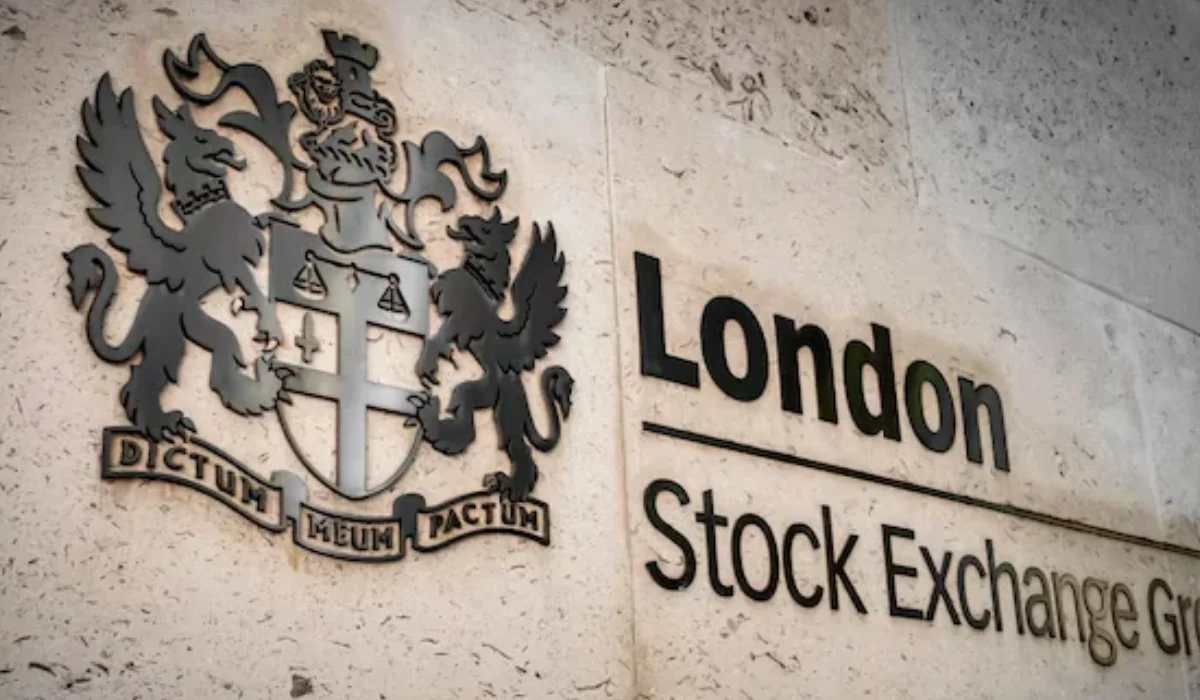
- Board Approves Voluntary London Delisting: Spain-based banking group BBVA (Banco Bilbao Vizcaya Argentaria) intends to remove its shares from the London Stock Exchange (LSE) after its board of directors approved the delisting, citing limited trading activity on the UK venue.
- Primary Spanish Listings Retained Without Shareholder Vote: BBVA will retain its primary listing on the Madrid, Barcelona, Bilbao and Valencia stock exchanges—as well as the Spanish Automated Quotation System (SIBE – Mercado Continuo)—and the move does not require shareholder approval because the shares sit in the international commercial companies secondary listing category of the Financial Conduct Authority (FCA) official list, subject to a minimum notice period of 20 business days under UK Listing Rule 21.2.17R.
- Conversion Guidance for Holders of London-Traded CDIs: Trading in London since October 1988 via CREST Depository Interests representing Shares (CDIs), BBVA’s London line will cease once the delisting takes effect; the bank expects no impact on investors holding shares directly on Spanish exchanges or other venues, while advising CDI holders to consult their investment advisers and brokers on converting holdings into shares tradable directly in Spain.
- Broader Context for London’s Listing Competitiveness: BBVA’s exit after nearly four decades follows UK-based Wise transferring its primary listing to Nasdaq earlier in 2026 to access the larger US market, though London’s market also saw mobile payments firm Airtel Money complete the largest London IPO in five years in October 2026.
London (The Londoner News) November 27, 2026 – Spain-based banking group BBVA plans to delist its shares from the London Stock Exchange (LSE) after nearly four decades, citing low trading volumes on the UK venue. Reported across The Paypers, Retail Banker International and The Corner alongside BBVA’s regulatory notification to Spain’s National Securities Market Commission (CNMV), the board-approved exit retains BBVA’s primary Spanish listings while advising CDI holders on converting securities.
- How Will BBVA’s London Delisting Affect Shareholders and Its Listing Structure?
- What Does BBVA’s Departure Mean for Pressure on London as a Listing Venue?
- How Do the Key Details of BBVA’s Delisting and London Listing Trends Compare?
- Background of the Particular Development After the News
- How This Development Can Affect CDI Investors, Overseas Issuers and the London Stock Exchange
Spain-based banking group BBVA intends to remove its shares from the London Stock Exchange, citing limited trading activity on the venue, after its board of directors approved the voluntary delisting.
According to a regulatory statement filed by the bank—and reported across The Paypers on 27 November 2026, Retail Banker International on 27 November 2026 and The Corner on 26 November 2026—BBVA will maintain its primary listing on stock exchanges in Spain, and the decision does not require shareholder approval. Under UK Listing Rule 21.2.17R, the bank is required to provide at least 20 business days’ notice before a voluntary delisting from the LSE’s main market takes effect, with a separate announcement detailing the completion steps due to be published in due course.
How Will BBVA’s London Delisting Affect Shareholders and Its Listing Structure?
Reporting by The Paypers (27 November 2026), Retail Banker International (27 November 2026) and The Corner (26 November 2026) outlines the practical implications for investors and the mechanics of BBVA’s secondary listing in the United Kingdom:
- No Impact on Direct Spanish or Other Venue Holdings: BBVA stated that it expects the delisting to have no impact on investors who hold its shares directly, whether through Spanish stock exchanges or any other trading venue. Following completion of the London exit, BBVA will retain its primary listing on the Madrid, Barcelona, Bilbao and Valencia stock exchanges as well as Spain’s Automated Quotation System – Continuous Market (SIBE – Sistema de Interconexión Bursátil Español – Mercado Continuo).
- Conversion Advice for CREST Depository Interest (CDI) Holders: Holders of London-traded shares have been advised by BBVA to consult their own investment advisers, intermediaries and brokers regarding converting their holdings into securities that can be traded directly on the Spanish Stock Exchanges.
- End of a Secondary Line Dating Back to October 1988: BBVA’s shares have traded in London since October 1988 through CREST Depository Interests (CDIs), a settlement instrument that enables companies headquartered outside the United Kingdom to use the UK CREST settlement system. Secondary listings of this structure allow overseas issuers to make shares available outside their home market in order to broaden access to international investors. Because BBVA describes trading volumes on its London line as low, its shares will trade exclusively on the Spanish market once the LSE delisting takes effect.
- Regulatory Classification Under FCA Listing Rules: As noted by Retail Banker International on 27 November 2026, shareholder approval is not required for the cancellation because BBVA’s securities are listed in the equity shares (international commercial companies secondary listing) category of the Financial Conduct Authority’s official list.
What Does BBVA’s Departure Mean for Pressure on London as a Listing Venue?
Coverage by The Paypers on 27 November 2026 situates BBVA’s decision within broader shifts in corporate listings and liquidity on the London Stock Exchange during 2026:
- Wider Setbacks in Attracting Listings and Liquidity: BBVA’s exit adds to a series of challenges for the London Stock Exchange, which has faced difficulties attracting initial public offerings (IPOs) and boosting market liquidity as companies increasingly evaluate alternative venues for their listing requirements.
- Wise’s Primary Listing Transfer to Nasdaq: The financial technology sector has contributed to this trend. Earlier in 2026, UK-based fintech firm Wise moved its primary listing to Nasdaq, stating that the transfer would provide access to the larger United States capital market—a move closely watched as a test of London’s appeal to growth-stage financial technology businesses.
- Airtel Money’s October 2026 London IPO: Recent listing activity on the LSE has not been uniformly negative. In October 2026, mobile payments company Airtel Money completed its IPO in London, raising more capital than any London IPO in the preceding five years and indicating that the venue continues to attract large payments-focused issuers.
- Reassessment of Secondary Lines and Liquidity Concentration: Taken together, BBVA’s delisting and Wise’s primary-listing shift illustrate companies reassessing where their shares are listed based on venue-level liquidity and access to deeper investor pools. For overseas issuers maintaining secondary lines in London, BBVA’s decision underscores that retaining an additional listing depends on sustained local trading activity, while the departure of a nearly four-decade secondary line arrives as UK policymakers and market operators work to strengthen London’s international competitiveness.
How Do the Key Details of BBVA’s Delisting and London Listing Trends Compare?
A structured summary compiles the regulatory, shareholder and market-context details reported across the sources:
| Aspect or Development | Reported Detail | Source / Attribution |
| BBVA Delisting Decision & Notice | Board-approved voluntary delisting of BBVA shares from the LSE’s main market due to low trading volumes; no shareholder vote required under FCA secondary-listing rules; at least 20 business days’ notice required under UK Listing Rule 21.2.17R | The Paypers; Retail Banker International; The Corner |
| Listing History & Primary Venues | Traded in London since October 1988 via CREST Depository Interests (CDIs); retains primary listing on Madrid, Barcelona, Bilbao and Valencia exchanges and Spain’s SIBE continuous market | The Paypers; Retail Banker International; The Corner |
| Shareholder Impact & Action | No expected impact on direct holders on Spanish or other exchanges; London CDI holders advised to consult brokers and investment advisers on converting CDIs into shares tradable in Spain | The Paypers; Retail Banker International |
| 2026 London Venue Context | Follows UK fintech Wise shifting its primary listing to Nasdaq earlier in 2026 for US market access, alongside mobile payments firm Airtel Money completing London’s largest IPO in five years in October 2026 | The Paypers |
Background of the Particular Development After the News
CREST Depository Interests (CDIs) were designed to allow UK retail and institutional investors to trade and settle overseas-incorporated equities—including major continental European banks such as BBVA, which listed in London in October 1988—within the domestic Euroclear UK & International (CREST) infrastructure without holding foreign-registered certificates directly.
Over the past decade, however, cross-border electronic order routing and institutional execution have increasingly concentrated liquidity in an issuer’s primary home exchange, leading several multinational companies to review the administrative and compliance costs of maintaining secondary listings with thin local turnover.
How This Development Can Affect CDI Investors, Overseas Issuers and the London Stock Exchange
BBVA’s decision to cancel its nearly 40-year secondary listing in London carries practical implications across several market participants:
1. UK and International Holders of BBVA CDIs
For investors currently holding BBVA securities through the London CREST line, the delisting requires timely coordination with brokers and custodians during the statutory notice window to convert CDIs into underlying Spanish ordinary shares or adjust custody arrangements before London trading ceases.
2. Overseas Companies Maintaining Secondary Listings in London
For non-UK corporations listed in the Financial Conduct Authority’s international commercial companies secondary listing category, BBVA’s board-approved exit reinforces a precedent for streamlining multi-exchange structures when secondary-market trading volumes remain low relative to primary home exchanges.
3. London Stock Exchange Operators and UK Capital-Market Policymakers
For the London Stock Exchange Group and UK financial regulators, losing a long-standing continental European banking line—following Wise’s primary-listing move to Nasdaq earlier in 2026—keeps pressure on ongoing listing reforms to deepen secondary-market liquidity alongside isolated bright spots such as Airtel Money’s October 2026 IPO.