Key Points
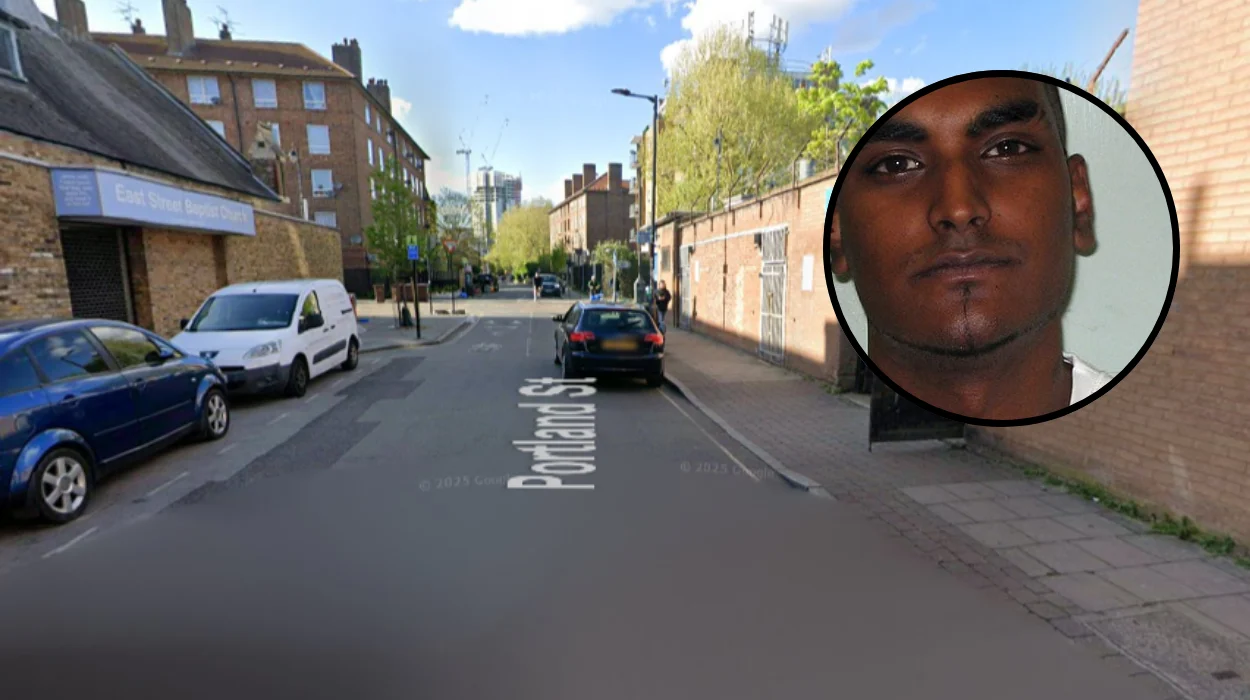
- Offender Details: Sunny Islam, currently aged 37, was handed an indefinite sentence for public protection (Imprisonment for Public Protection – IPP) in 2012 after launching a horrific three-month reign of terror.
- The Crimes: Islam targeted four women in east London, armed with a knife and plastic cable ties. He dragged victims from the street, tied them up, subjected them to brutal beatings, and sexually assaulted them under the twisted justification of “teaching them a lesson for being out at night.”
- Current Status: Islam is now lobbying for his freedom at an upcoming Parole Board hearing, raising alarms among law enforcement and survivors that he could soon be released back into the community.
- Closed-Door Hearing: Despite a formal application by one of the traumatised victims for the proceedings to be held in public, the Parole Board rejected the request. The decision came after it was revealed that Islam suffered from “anxiety” at the thought of facing public scrutiny.
- Ongoing Fears: Police and investigators have long maintained fears that there may be additional victims who never came forward during the initial investigation.
London (The London News) August 1, 2026 – A dangerous serial rapist who subjected four women in east London to a brutal campaign of violence during a three-month reign of terror could soon be released back onto the streets. Sunny Islam, who was locked away indefinitely more than a decade ago after arming himself with a knife and plastic cable ties to stalk and assault his victims, is actively lobbying the Parole Board for his freedom. Despite the severe nature of his crimes and the lasting trauma inflicted on the women he targeted, his upcoming parole review will be conducted entirely behind closed doors. This decision was finalised after arguments were raised regarding Islam’s personal “anxiety” about facing public observation, overriding a victim’s brave application to open the proceedings to the public.
Why Was Sunny Islam Handed an Indefinite Sentence in 2012?
The horrifying details of Islam’s crimes first came to light during legal proceedings that concluded in 2012. As documented in extensive court records, Sunny Islam, who is now 37 years old, terrorised east London over a concentrated three-month period. During this crime wave, he specifically hunted down vulnerable women who were walking outdoors.
According to case files and reports, Islam carried a knife and plastic cable ties as part of his premeditated equipment. He would physically drag his victims off the public streets, bind them securely, and subject them to savage physical beatings alongside violent sexual assaults. Investigators noted at the time that Islam’s twisted rationale for the attacks was that he wanted
“to teach them a lesson for being out at night.”
The sheer brutality of the assaults left all four surviving victims profoundly traumatised. Law enforcement officials at the time expressed deep concern that Islam’s predatory behaviour might not have been limited to the four women identified during the police investigation.
Detectives publicly stated their fears that there could well be other victims who, out of fear or shame, never came forward to report their attacks to the authorities. Because of the extreme danger he posed to women and society at large, the courts handed him an indefinite sentence, designed to keep him locked away until he was no longer deemed a threat.
Why Is Sunny Islam’s Upcoming Parole Hearing Being Held Behind Closed Doors?
The question of transparency in the justice system has taken centre stage as Islam prepares his bid for freedom. As reported by The Mail, Sunny Islam is currently lobbying the Parole Board in an attempt to secure his release from custody.
In response to this development, one of Islam’s surviving victims submitted a formal application requesting that the parole hearing be held in public, championing the cause of justice transparency and community safety. However, this application was ultimately rejected. The proceedings are legally mandated to take place behind closed doors.
According to details emerging from the legal process, the refusal to open the hearing to public observation came after it was argued that Islam suffered from “anxiety” at the mere thought of facing the public eye.
Critics and campaigners have pointed to the stark contrast between the hidden, protected environment afforded to a violent serial sex offender and the profound, lifelong public terror experienced by the women he assaulted in the dead of night.
Explore More East London Crime News
CCTV Appeal After Rail Staff Assault in East London 2026
Corey Junior Davis Inquest Findings: Forest Gate 2026
What Are the Broader Safety Concerns Regarding Potential Unidentified Victims?
As the Parole Board weighs whether a man who terrorised east London is safe to return to society, criminologists and safety advocates are revisiting the chilling legacy of his 2012 conviction.
Law enforcement agencies have historically highlighted that predatory offenders who operate with pre-planned restraint methods—such as the cable ties and knives utilised by Islam—often have a well-rehearsed modus operandi that points to a history of unpunished offences.
Police fears that more victims exist have never been fully dispelled. Because Islam operated under the delusion of policing women’s freedom of movement—attacking them simply for being out at night—investigators believe his escalation over that three-month window may have been preceded or supplemented by other unreported assaults. With the offender now pushing for his liberty, legal experts and victim support networks are raising urgent questions about how the Parole Board evaluates the risk of offenders who targeted victims with such calculated malice.
What Happens Next in the Legal Process for Sunny Islam?
The decision to keep Sunny Islam’s parole review confidential means that the deliberations regarding his potential release will occur away from public scrutiny.
While the Parole Board must independently assess whether Islam has sufficiently addressed the root causes of his violent behaviour and reduced his risk to the public, the refusal to grant a public hearing has intensified public interest and scrutiny surrounding the case.
For the survivors, the prospect of their attacker walking free—coupled with the inability to witness the hearing that could determine his release—marks a painful chapter in an ongoing battle for justice.
As the review date approaches, authorities remain under pressure to ensure that public safety and the harrowing realities of violent crime against women remain paramount in any decision regarding the freedom of a convicted serial rapist.