
Key Points
- Emergency Response: An important wildfire had erupted at Hornchurch Country Park in the late afternoon hours of Friday.
- Personnel and Equipment: The London Fire Brigade (LFB) sent 14 fire trucks and around 90 firefighters to tackle the situation.
- Operations: Firefighters from Romford, Ilford, Hornchurch, and the neighboring areas are working on extinguishing “multiple seats of fire” in the park.
- Public Safety: Citizens residing near the place are requested to keep their doors and windows shut as the smoke from the fire is very dense.
- Environmental Background: The disaster takes place during an exceptionally warm and dry summer that has rendered many of London’s parks tinderbox ready.
- Wider Context: The NFCC data reports more than 1,000 wildfires in England and Wales so far this year, which is equal to the number of incidents witnessed in the last record-breaking year.
- Political Response: The UK Prime Minister, Andy Burnham, has urged shops to stop selling disposable barbecues to avoid the wildfire threat. At the same time, the Mayor of London, Sadiq Khan, has asked the citizens of the city to create fire breaks in their gardens.
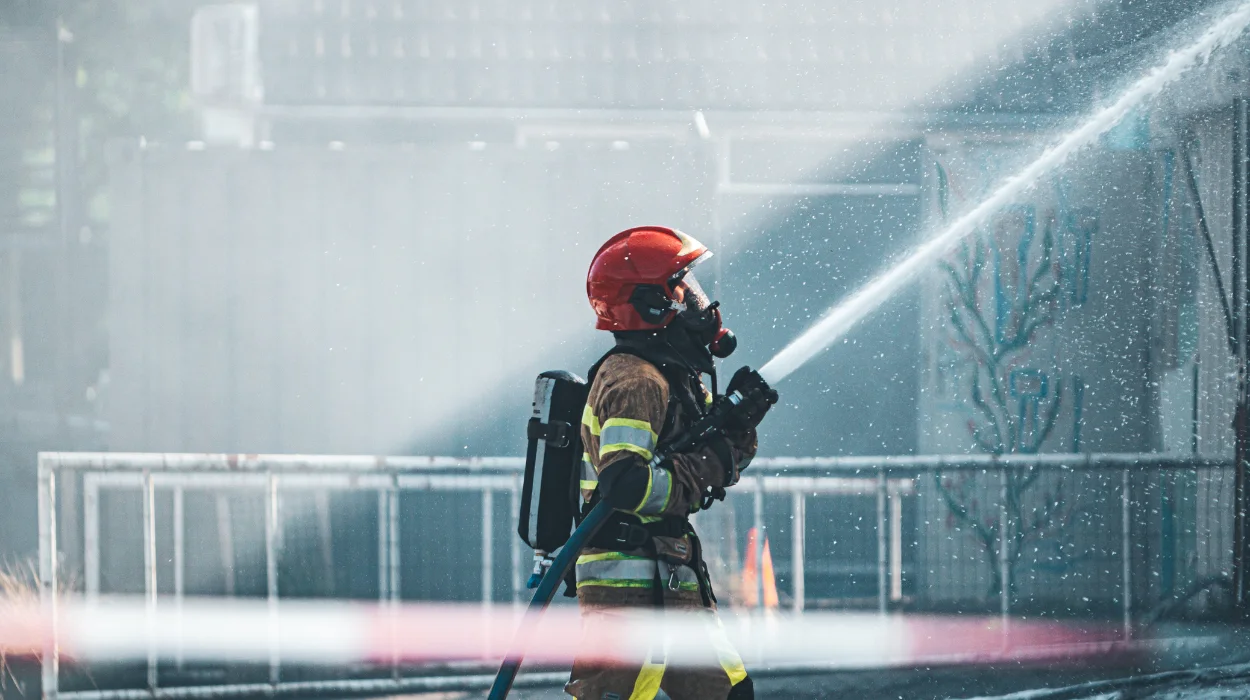
London (The Londoner News) August 17, 2026 – A massive wildfire has swept through Hornchurch Country Park this Friday evening, triggering a major emergency operation as 90 firefighters and 14 fire engines struggle to contain the spreading inferno. The London Fire Brigade (LFB) has confirmed that crews are currently battling multiple ignition points within the park, which is currently generating significant plumes of smoke across the east London skyline. Authorities have issued an urgent advisory for local residents to maintain closed doors and windows as the situation continues to develop.
- Key Points
- How did the fire start and what is the current situation at Hornchurch Country Park?
- Why is the risk of wildfires in London so high this summer?
- What warnings have been issued by the London Fire Brigade and local officials?
- Should disposable barbecues be banned to prevent further wildfires?
- What does the data say about the scale of the wildfire crisis in the UK?
- What is the outlook for the remainder of the summer?
How did the fire start and what is the current situation at Hornchurch Country Park?
As reported by Tom Place of the Evening Standard, the London Fire Brigade confirmed that they were mobilised to the site on Friday evening to address a wildfire that has turned the popular green space into an active scene of destruction. The LFB confirmed that fire crews from Romford, Ilford, Hornchurch, and various neighbouring stations were dispatched to the park to combat the blaze.
The incident is currently described as involving “multiple seats of fire,” a term used by firefighters to indicate that the flames are not contained to a single location but have broken out in various parts of the park simultaneously. This complicates suppression efforts and places a massive strain on local resources. The smoke generated by the wildfire is thick and has prompted concerns regarding air quality for those living in the immediate vicinity of the park.
Why is the risk of wildfires in London so high this summer?
The blaze at Hornchurch Country Park is not an isolated event but rather a symptom of a much larger, systemic issue affecting the capital’s green spaces. The Evening Standard notes that this incident occurs against a backdrop of a “record-setting hot and dry summer” that has left vast swathes of London’s parks and public lands in a “tinderbox” condition.
The vegetation has become dangerously parched, providing ample fuel for any spark—whether accidental or otherwise—to rapidly escalate into a major wildfire. This environmental volatility has forced the London Fire Brigade to shift its operational posture, focusing heavily on wildfire prevention and rapid response tactics.
What warnings have been issued by the London Fire Brigade and local officials?
In light of the increasing frequency of these events, officials are taking a proactive stance on public safety and private land management. As reported by the Evening Standard, Mayor Sadiq Khan has urged residents across London to take preventative action within their own properties. Specifically, the Mayor has called on citizens to “create fire breaks” in their gardens to act as a barrier, preventing the spread of fire from garden debris to residential structures.
The London Fire Brigade has echoed these sentiments, explicitly warning of the heightened dangers associated with garden fires during heatwaves. The service emphasises that even small fires in a domestic setting can quickly spiral out of control when conditions are as dry as they have been throughout this summer.
Should disposable barbecues be banned to prevent further wildfires?
The conversation surrounding wildfire prevention has reached the highest levels of government. Prime Minister Andy Burnham has taken a firm position on the issue, as highlighted in reporting by the Evening Standard. Mr Burnham has formally urged retailers to voluntarily withdraw disposable barbecues from their shelves for the duration of the heatwave.
The Prime Minister’s appeal is grounded in the reality that improper disposal or usage of these items is a common ignition source for wildfires in dry parkland. By removing these products from the market, the government aims to lower the statistical probability of further parkland blazes as the dry spell continues.
Explore more Fire News:
London Wildfires Rage as Drought Grips Havering 2026
60 Firefighters Tackle Four-Hectare Grassland Fire: Mitcham 2026
What does the data say about the scale of the wildfire crisis in the UK?
The scale of the problem is reflected in national statistics. According to data provided by the National Fire Chiefs Council (NFCC) and cited by the Evening Standard, there have been more than 1,000 wildfires recorded across England and Wales thus far in 2026.
Perhaps most alarming is the fact that this figure already matches the total number of wildfires recorded during last year, which was itself described as a “record-breaking” year for wildfire activity. This upward trend in wildfire frequency indicates that the challenges faced by firefighters in places like Hornchurch are likely to persist as long as the climate remains consistently hot and dry.
What is the outlook for the remainder of the summer?
As the sun sets on Friday evening, the situation at Hornchurch Country Park remains fluid. The primary concern for the emergency services is to ensure that the fire does not encroach upon nearby residential streets, given the proximity of homes to the park’s perimeter.
Journalists on the ground continue to monitor the situation, as the Evening Standard and other local outlets await further updates from the London Fire Brigade regarding the containment status of the fire. With the Prime Minister’s call for retail changes and the Mayor’s advice on garden maintenance, the public remains under high alert. As the heatwave shows no immediate sign of relenting, the pressure on the London Fire Brigade is expected to remain exceptionally high throughout the weekend, serving as a reminder of the fragility of London’s urban environment in the face of extreme weather.