

Key Points
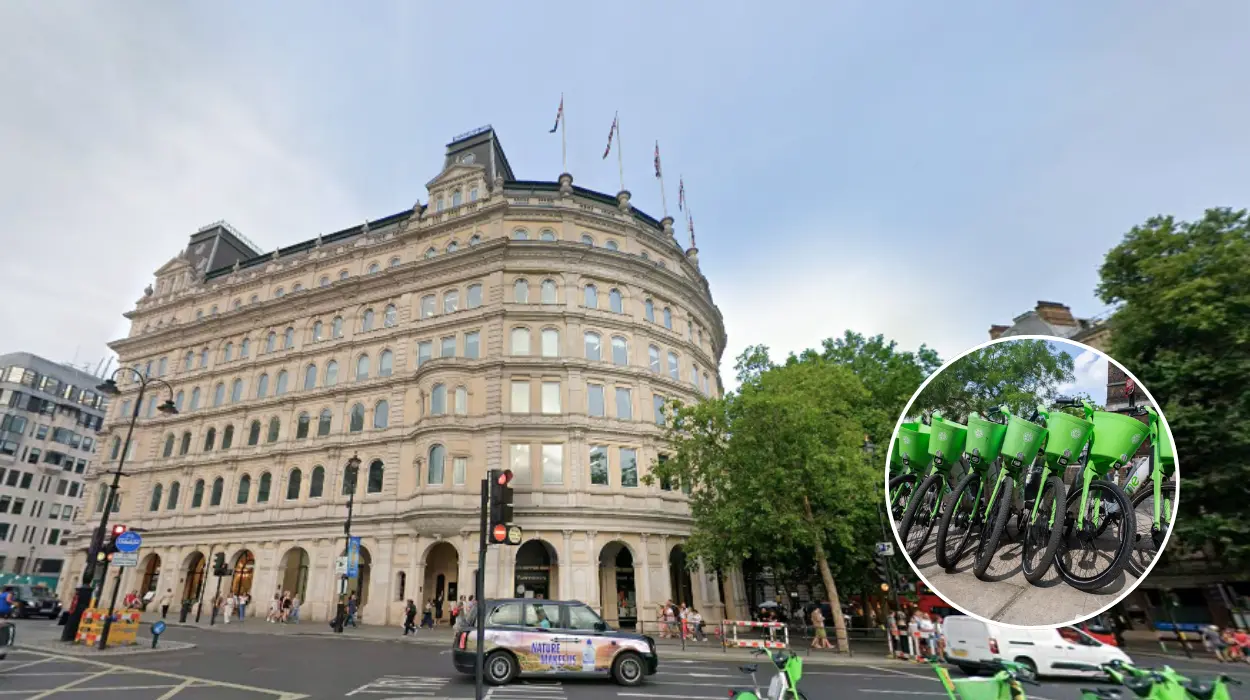
- Summer Dominance: Lime’s electric bikes are all over the place in London this summer, providing an easy, airy solution to the heat of public transportation and traffic.
- Demographics: From the company, Neutron Holdings Inc, that owns Lime, the average age of a Lime rider in London is 34 years old.
- Safety Issues with Pedestrians: Based on data by Transport for London, rented electric bicycles, Lime being the main supplier of such services, are most often involved in cyclist incidents with pedestrians involving police action.
- User Behaviour: Complaints usually involve users riding through red traffic lights, using the pavement for cycling, and leaving their bikes lying around in pedestrian zones.
- “Priced Out” Theory: According to journalist Andy Beckett, the high proportion of young professionals amongst Lime riders may be the result of an evolution of city living where people who cannot afford houses in the vicinity of transport nodes use electric bikes to connect with suburbia.
- Regulatory Measures: The Hackney council is working with Lime to build dedicated parking spaces and reduce prices in order to avoid rider misbehaviour.
- Financing Issues: Despite the company being backed by venture capital companies such as Uber, Lime reportedly has massive debts and has not yet reached profitability.
London (The Londoner News) August 8, 2026 – As London grapples with a summer of stifling heat and congested thoroughfares, the capital’s streets have been reclaimed by a burgeoning fleet of neon-green e-bikes. While the city’s traditional transport network of buses and tube carriages struggles with temperature spikes and roadworks, Lime riders appear to be navigating a separate, more fluid urban existence. However, this shift in mobility has sparked intense debate, pitting the convenience of a “priced-out” generation against the safety concerns of pedestrianised spaces and the challenges of regulating a high-demand, tech-enabled service.
- Key Points
- Are Lime bikes a symbol of urban freedom or a public nuisance?
- How are Lime bikes impacting pedestrian safety in London?
- Is the Lime phenomenon evidence of a ‘priced-out’ generation?
- What are local authorities doing to manage the chaos?
- What is the future of e-bike rental in a debt-burdened business model?
Are Lime bikes a symbol of urban freedom or a public nuisance?
The rise of Lime e-bikes, operated by the Californian company Neutron Holdings Inc, has fundamentally altered the rhythm of London life. For many, they represent an essential tool for navigating the city, connecting isolated boroughs, and providing a safer travel option for women at night.
Annie Lord, a dating columnist and author, captured the sentiment in her book Freewheeling: Essays on Cycling, stating, “My favourite part of a night out is Lime biking home… As I ride up a hill, the bike’s electrics click … And, for a little while, I’m free.”
Yet, this freedom has come at a cost to the shared urban environment. Since their introduction to British cities in 2018, Lime bikes have been frequently criticised for safety failures. Reports of riders running red lights, navigating pavements, and abandoning bikes in obstructive locations have become common. As reported by Andy Beckett of The Guardian, a 2023 report commissioned by Lime itself revealed that 20% of London users had never cycled before, raising concerns about the experience levels of those weaving through dense traffic.
How are Lime bikes impacting pedestrian safety in London?
The physical impact of these bikes on the city’s safety statistics is becoming a focal point for authorities. Transport for London (TfL) has indicated that rented e-bikes, with Lime as the dominant provider, are involved in a disproportionate number of accidents.
According to data cited by The Guardian, while rented e-bikes accounted for approximately 12% of the city’s cycling journeys in 2024, they were reportedly responsible for nearly a third of cyclist collisions with pedestrians that necessitated police intervention. These figures suggest that the presence of these bikes has fundamentally changed the risk profile for those walking in the capital.
Is the Lime phenomenon evidence of a ‘priced-out’ generation?
Beyond the safety debates, the surge in e-bike usage may reveal deeper economic divides in London. A compelling theory, explored by Andy Beckett in his Guardian column, suggests that the typical 34-year-old Lime rider is a young professional who, in previous decades, might have resided within walking or short-commuting distance of the city’s core.
With the average age of a London first-time buyer now hitting 35, many young workers are pushed further into less-connected suburbs. In this context, the e-bike becomes a mechanism of “revenge”—a way to maintain access to the city’s professional and social opportunities despite being displaced from the property market. Beckett argues that the Lime phenomenon is an expression of “urban privilege” and a sign of the city’s “alienating intensification.”
Explore more Local London News:
£250k Richard Mille Watch Thief Jailed in London 2026
London Launches WorldPride 2032 Bid In London 2032
What are local authorities doing to manage the chaos?
Recognising the friction between this new form of mobility and existing infrastructure, some local authorities are attempting to formalise the chaos. Hackney council, for instance, has taken an active role in regulating the bikes within its borders.
As noted by Beckett, the council has collaborated with Lime to install a high density of dedicated parking bays, which has reportedly improved compliance. Furthermore, to combat the dangerous practice of running red lights—a habit some critics attribute to the company’s minute-by-minute charging model—the council worked with Lime to introduce a flat-rate fare of £1.75 for trips starting in the borough. This initiative matches the cost of a local bus fare and represents the lowest Lime rate in London.
What is the future of e-bike rental in a debt-burdened business model?
The tension between profit and public utility remains a significant barrier to long-term stability. Despite financial support from giants like Uber, Neutron Holdings Inc is reported to be heavily in debt and is not yet profitable.
This commercial reality creates a persistent conflict between the company’s need for “absolute convenience” for the user and the broader needs of the city. As observed by Andrew Savage, a senior executive at Lime, the appeal of the bikes lies in the ability to “start and end their journey anywhere.” However, as The Guardian points out, this flexibility frequently results in inconvenience for other urban residents, such as bikes obstructing pavements and blocking public access points.
As London continues to navigate these “rental bike wars,” the path forward likely requires more than just parking bays. Unless the city can address the underlying issues of housing affordability and public transport connectivity, the competition for space—between residents, pedestrians, and this new generation of mobile professionals—will almost certainly persist.