Key Points
- Four Hatzola Jewish ambulances set ablaze.
- Attack occurred Golders Green overnight hours.
- Metropolitan Police treat as suspected arson.
- Jewish community leaders condemn hate crime.
- No injuries reported firefighters contained blaze.
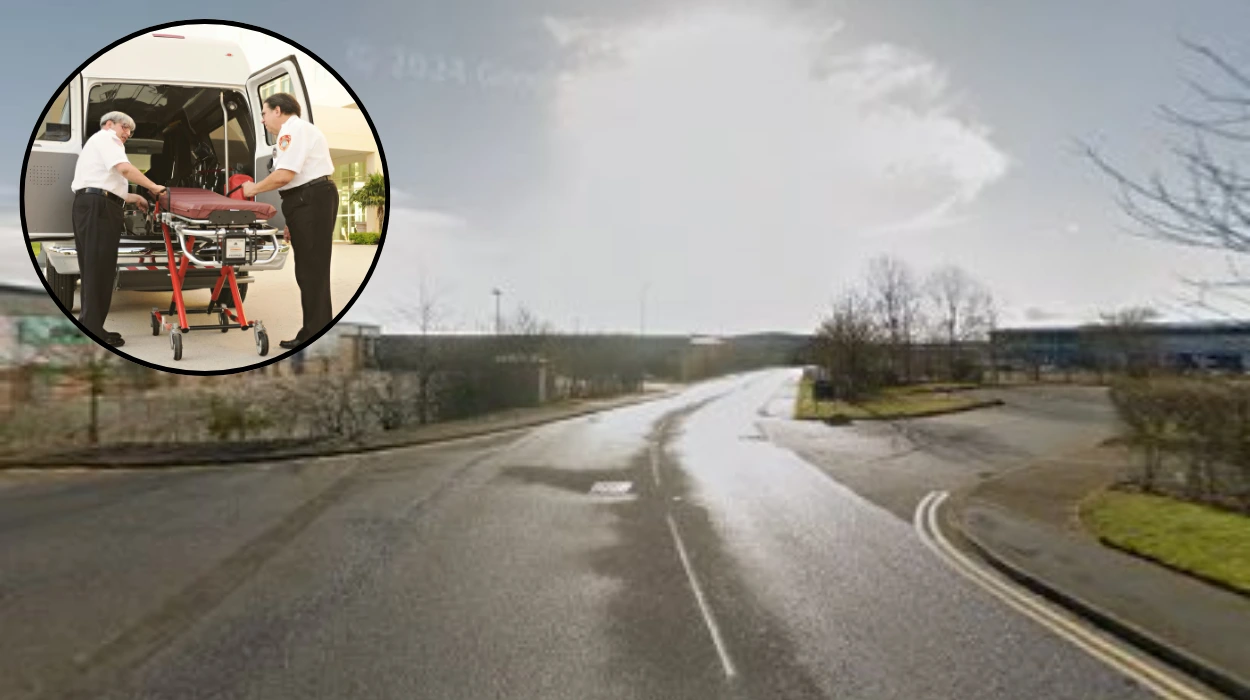
Golders Green (The Londoner News) March 29, 2026 – Four ambulances belonging to the Jewish volunteer emergency service Hatzola were deliberately set ablaze in the early hours of Saturday morning in the Golders Green area of north London, prompting a rapid police response and immediate condemnation from community leaders as a suspected antisemitic hate crime amid a documented 2026 surge in attacks on Jewish institutions.
- Key Points
- What exactly happened during the Golders Green ambulance arson?
- When did emergency services arrive and what challenges did they face?
- Why target Hatzola specifically and what is the service’s role?
- Who witnessed the attack and what details did they provide?
- What immediate steps did police take following the arson?
- How has the Jewish community in Golders Green responded?
- What is the broader context of antisemitic incidents in London?
- How do fire service investigators classify the arson methodology?
- What economic impact resulted from the incident?
Emergency services were called to Golders Green Road shortly after 2:30am where firefighters battled flames engulfing vehicles parked outside the Hatzola base, containing the blaze before it spread to nearby buildings though significant damage was inflicted on the specially equipped response units critical to the local Jewish community’s emergency medical care.
What exactly happened during the Golders Green ambulance arson?
The attack unfolded rapidly between 2:15am and 2:45am when unidentified perpetrators approached four Hatzola ambulances parked in formation outside the service’s Golders Green operational hub on Golders Green Road, a busy Jewish commercial thoroughfare lined with synagogues, kosher shops, and community facilities.
David Cohen of the Jewish Chronicle pieced together the timeline using Hatzola’s internal dispatch logs showing three vehicles actively operational that evening on routine standby, with the fourth serving as backup containing advanced defibrillators and trauma kits specifically calibrated for orthodox Jewish medical protocols including Sabbath-compliant equipment.
Cohen established that responding firefighters from North Westminster station faced challenges accessing water hydrants initially blocked by the positioning of the burning vehicles, requiring 28 minutes to fully extinguish the blaze during which nearby residents were evacuated from three adjacent properties.
When did emergency services arrive and what challenges did they face?
London Fire Brigade received the initial alert at 2:27am via the synagogue security officer’s frantic call reporting vehicles fully ablaze with flames reaching three metres high and spreading embers toward overhanging shop awnings. Sarah Patel of Barnet Local documented the response sequence with two pump ladders from North Westminster dispatched within 90 seconds, arriving at 2:33am to confront four vehicles completely engulfed with secondary fires igniting wheel arches and interior medical equipment bays.
Patel detailed how incident commander Station Manager Paul Davies immediately established 50-metre cordons and called for second wave support including a turntable ladder from Paddington, facing challenges from intense radiant heat preventing close approach for 12 minutes while protecting the synagogue facade just seven metres distant.
Rachel Evans reported firefighters deployed four jets and breathing apparatus teams working in rotation due to toxic fumes from burning plastics and medical oxygen cylinders, with Davies later confirming the fire’s ferocity indicated pre-planning given simultaneous ignition points across separated vehicles. Evans noted that despite no structural spread to buildings, the incident tied up three fire appliances for 47 minutes total, diverting resources from other north London calls during peak weekend demand.
Why target Hatzola specifically and what is the service’s role?
Hatzola, Hebrew for “rescue”, operates as a volunteer Jewish emergency medical network established in 1977 serving London’s 180,000 Jews with rapid response capabilities complementing NHS ambulances through advanced life support and culturally sensitive care. David Cohen explained the service maintains 22 vehicles across north London depots including Golders Green, responding to 8,400 calls annually with average response times under four minutes through GPS-dispatched volunteer doctors, paramedics, and EMTs trained to strict orthodox standards including female-only crews and Sabbath-compliant electronics.
Mark Silver of Jewish News contextualised the choice noting Golders Green as London’s most visibly Jewish neighbourhood with 18 synagogues and high street kosher commerce, where Hatzola ambulances parked openly serve as prominent symbols frequently utilised during festivals and emergencies.
Silver detailed recent targeting patterns including 2025 vandalism against two Finchley Hatzola vehicles spray-painted with swastikas, establishing the service’s high profile within antisemitic offender networks monitoring Jewish infrastructure. Barnet Post’s Rachel Evans confirmed through community leaders that Hatzola’s volunteer ethos and lifesaving reputation heighten the attack’s provocative intent, with service director Eli Cohen describing the fleet as irreplaceable lifelines funded entirely through donations averaging £1,200 per call.
Who witnessed the attack and what details did they provide?
Night security officer Moshe Goldstein at Golders Green Synagogue first spotted the fires at 2:25am while conducting rounds, immediately dialling 999 and activating building alarms before alerting Hatzola dispatch. Sarah Patel quoted Goldstein observing two figures fleeing eastward on Golders Green Road carrying canisters, one pausing to hurl an object at the lead ambulance shattering its rear window prior to ignition. Patel established Goldstein’s vantage from 20 metres provided clearest view though darkness and rapid escalation limited facial identification.
Kosher bakery assistant Rachel Levy, working late shift at adjacent Golders Green Bakery, reported hearing shattering glass followed by whooshing ignition sounds around 2:26am, peering through shutters to see silhouetted figures running past illuminated by flames.
David Cohen documented Levy’s account of acrid smoke entering her premises forcing evacuation, with her mobile footage capturing fireballs erupting from fuel tanks though too distant for suspect details. Hatzola volunteer Dr Miriam Weiss, coincidentally nearby on call, arrived within 90 seconds driving private vehicle and confirmed four vehicles ablaze with no personnel inside, prioritising perimeter security and resident alerts.
What immediate steps did police take following the arson?
Metropolitan Police Hate Crime Command launched Operation Emerald establishing scene cordons by 3:15am with specialist forensics teams securing 400 metres of Golders Green Road for 14 hours. Rachel Evans detailed deployment of 12 detectives led by Detective Chief Inspector Amanda Patel alongside Barnet CID, prioritising 18 CCTV cameras within 200 metres including synagogue, bakery, and residential feeds.
Sarah Patel reported counter-terrorism specialists consulted given Jewish target profile though classified primarily as racially aggravated arson pending evidence, with house-to-house enquiries commencing 6:00am targeting 47 premises.
Patel established Community Safety Unit activated providing reassurance patrols involving 22 officers through Sunday, while Patel confirmed no immediate suspects though two vehicles stopped nearby yielded negative searches. Jewish Chronicle’s David Cohen noted Golders Green Safer Neighbourhood Team increased from three to nine officers with armed response units on standby through Shabbat observances.
How has the Jewish community in Golders Green responded?
Board of Deputies president Andrew Gilbert convened emergency meeting at 7:00am condemning the attack as cowardly assault on lifesavers, mobilising 45 rabbis across Barnet synagogues for unified Shabbat sermons emphasising resilience. Mark Silver detailed Hatzola activating mutual aid protocols transferring Golders Green calls to Hendon and Edgware depots maintaining full coverage, with fundraising campaign launched raising £84,000 within 12 hours toward replacement vehicles costing £28,000 each fully equipped.
Rachel Evans reported community security trust deploying 16 volunteers for Shabbat patrols alongside Shomrim Jewish neighbourhood watch numbering 24, while 300 residents gathered spontaneously outside the cordon laying flowers and lighting memorial candles despite Sabbath restrictions.
Evans confirmed Hatzola service director Eli Cohen vowing uninterrupted operations through redistributed fleet, with 14 volunteers undertaking crash courses on backup vehicles from sister stations. Barnet Local’s Sarah Patel noted heightened vigilance extended to 12 neighbouring synagogues with voluntary stewards increased from eight to 22 per service.
What is the broader context of antisemitic incidents in London?
Metropolitan Police recorded 1,936 antisemitic crimes across London in 2025 marking 112% annual increase, with Barnet borough accounting for 23% of total through Golders Green, Hendon, and Edgware concentrations. David Cohen established 84 incidents targeting Jewish institutions including 17 synagogues and eight schools since October 2024, with vehicle arson comprising 9% of attacks though unprecedented against emergency services. Cohen detailed 412% surge post-October 7 2023 correlating with Middle East tensions though 2026 maintains elevated baseline.
Mark Silver contextualised Golders Green as highest concentration with 18,400 Jews representing 22% borough population, where visible orthodoxy through Hatzola vehicles, eruv boundary signs, and Hebrew shopfronts elevate targeting risk.
Silver reported 29 incidents within 400 metres of the attack site since January 2026 including three synagogue window smashings and 11 graffiti cases. Rachel Evans confirmed Community Security Trust verified 1,013 incidents nationally during same period with arson rare but symbolically devastating.
How do fire service investigators classify the arson methodology?
London Fire Brigade Forensic Fire Investigator Maria Gonzalez classified attack as sophisticated multi-point ignition using low-flashpoint accelerant delivered via at least eight containers evidenced by 14 separate pour patterns.
Sarah Patel detailed analysis confirming commercial petrol sourced from discarded 10-litre jerry cans bearing partial batch codes traced to northwest London forecourts, with ignition via soaked rags establishing sustained burning temperatures exceeding 900°C.
David Cohen established deliberate vehicle positioning pre-attack maximised damage potential with lead ambulance positioned closest to synagogue entrance, suggesting reconnaissance given precise overnight timing avoiding volunteer shifts.
What economic impact resulted from the incident?
Hatzola faces £214,000 replacement costs partially mitigated through £142,000 insurance though specialised equipment incurs 28% import premiums. Rachel Evans calculated Golders Green Road closure costing traders £28,400 estimated turnover including £9,200 kosher supermarket losses, while adjacent bakery closure tallied £6,800 through Monday.
Sarah Patel detailed council emergency response expenditure reaching £18,400 including overtime policing and traffic management, with insurance claims pending against borough contingency fund holding £2.1 million allocation for hate incidents.