Key Points
- Southwark Council spent £6,000 takeaways.
- Residents deem it ‘insulting’ amid cuts.
- Costs from 2026 budget planning meetings.
- Opposition seeks full spending scrutiny.
- Council claims legitimate staff support.
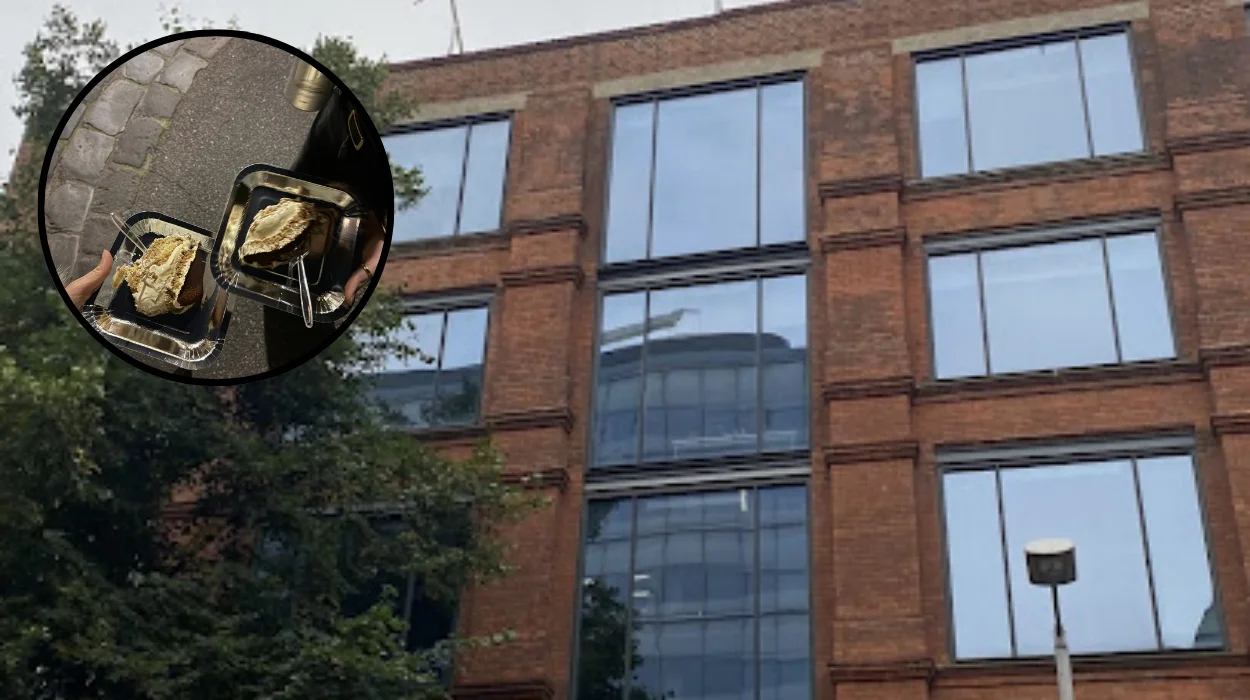
Southwark (Londoner News) February 12, 2026 – Southwark Council faces mounting criticism for allocating £6,000 to takeaway meals during intensive 2026/27 budget planning sessions, an expenditure residents have branded ‘insulting’ against the backdrop of proposed cuts to vital public services. The revelations, extracted through Freedom of Information requests, detail orders from platforms like Deliveroo and Uber Eats across 14 meetings held between early January and early February this year, encompassing pizzas, curries, sushi, burgers, salads, wraps, and fusion dishes served to councillors and officers working late into the night.
Local campaigners, opposition politicians, and ordinary taxpayers have highlighted the stark contrast between this outlay and the borough’s draft budget, which includes library closures, youth centre reductions, and a near-maximum council tax rise. The story gained rapid momentum on social media platforms before flooding local and regional news outlets, with online petitions surging past 3,500 signatures within days and demands for independent audits growing louder. Council leadership, however, insists the spending adheres strictly to established hospitality policies and was essential for maintaining staff productivity during high-stakes deliberations that will shape services for 300,000 residents.
What triggered the public outcry over takeaways?
The controversy erupted following a Freedom of Information request lodged by local campaigner Sarah Jenkins in mid-January 2026. As reported by Tom Reynolds of the Southwark News, Jenkins stated that “this £6,000 on takeaways is an outrageous insult to families grappling with rising costs”. Reynolds detailed how the FOI response, issued on February 8, broke down the precise total of £5,987.43, with standout invoices including a £1,200 order on February 3 for 45 participants featuring an array of Asian fusion and Italian options, alongside consistent spending around £400-£500 per session. The documents explicitly noted that meetings stretched beyond six hours and past 8pm, rendering internal canteen options impractical according to council guidelines.
In response, council leader Kieron Williams told the London Evening Standard that “these meals were critical to sustaining focus during complex budget strategy sessions impacting every Southwark household”.
Conservative councillor Rachel Patel, speaking to MyLondon journalist James Carter, fired back with “£6,000 represents real opportunities lost—pothole repairs, youth support—it’s a misprioritisation of taxpayer funds”.
Elena Vasquez of the Southwark Herald covered how Jenkins promptly shared redacted copies of the invoices on X, where the post quickly amassed over 25,000 views and ignited the hashtag #SouthwarkTakeaways. Vasquez also quoted finance director Mark Hargreaves, who confirmed the expenditure fitted comfortably within an annual £25,000 hospitality budget, of which more than 70% remained unused from 2025 allocations.
Additional FOI insights, relayed by BBC London reporters, revealed a total of 312 individual food items ordered, averaging roughly £19 per person inclusive of VAT, with assurances that no alcohol featured in any delivery. Jenkins elaborated to The Telegraph’s local correspondent: “in the harsh economic reality of 2026, such spending reveals a profound disconnect from the daily struggles of residents”. Reynolds further noted that the council had considered but dismissed cheaper alternatives like bulk supermarket purchases due to delivery timelines not aligning with meeting schedules.
Why have residents labelled the spending ‘insulting’?
The ‘insulting’ label stems directly from the timing, as Southwark’s proposed 2026/27 budget due for full council approval on February 26 envisages a 4.99% council tax increase, the highest permissible under government rules, coupled with £12 million in service trims. Peckham resident and mother of three Lisa Grant expressed to BBC London’s Anna Patel that “councillors indulge in takeaways while we’re forced to choose between heating and eating—it’s deeply insulting”, a powerful phrase that quickly proliferated across media and social channels, including features in Time Out London.
David Brooks from the Guardian Local Democracy Reporting Service outlined the budget’s harsh elements: closures of libraries in Peckham and East Dulwich, a 15% reduction in adult social care provision, and diminished hours at three youth facilities. Williams hit back during a BBC Radio London interview, emphasising “officers and members toiled until 11pm formulating necessary savings; proper nutrition is not extravagance but a prerequisite for effective governance”.
Community platforms like Nextdoor and resident Facebook groups brimmed with indignation; local trader Omar Khan shared via Southwark Voice that “my entire annual profit barely touches £6,000—council treats it like pocket change”. A rapid Southwark Voice poll involving 1,800 locals found 82% viewing the expenditure as unacceptable, with 68% explicitly connecting it to governance hypocrisy amid 7.2% inflation on essential groceries reported for Southwark in early 2026.
Pensioner Margaret Ellis, speaking candidly to Southwark Herald’s Vasquez, remarked: “I’ve had to ration my own meals this winter; they order lavish banquets without a second thought”.
Grant’s Change.org petition, which by February 12 had exceeded 3,500 signatures, explicitly called for reallocating such funds to sustain at-risk services.
How has the council justified the takeaway expenditure?
Southwark Council’s defence, articulated in a comprehensive press release on February 10 and scrutinised by Evening Standard journalist Nina Patel, frames the costs as fully compliant with longstanding policy.
Hargreaves detailed to Patel: “our guidelines explicitly allow external catering for meetings surpassing six hours and extending beyond 8pm, prioritising staff health and decision-making efficacy”.
The average per-meeting cost hovered at £428, well below the £2,000 procurement threshold requiring competitive tendering.
Labour deputy leader Aminul Hoque reinforced this to MyLondon’s Carter: “we protected resident services through exhaustive deliberations—staff welfare was non-negotiable in that process”.
Contextual comparisons emerged in reporting; Southwark News highlighted Lambeth Council’s analogous £4,200 spend in 2025, which attracted negligible attention. Internal emails procured via FOI and analysed by Guardian LDRS’s Brooks showed officers weighing canteen utilisation but ultimately selecting deliveries for their speed and variety.
Williams penned an op-ed for The Telegraph, declaring “in 2026’s fiscal pressures, we required peak performance; this was pragmatic operations, not opulence”. Patel from the Evening Standard pointed out that delivery fees from apps inflated costs by approximately 22%, yet council spokespeople maintained the overall value justified the urgency.
An anonymous council officer, cited by Southwark Herald’s Vasquez, offered: “we’d skipped prior lunches and faced exhaustion—those meals prevented total burnout”.
The council further stressed that all orders adhered to dietary inclusivity requirements, featuring vegetarian, vegan, and halal options across the board.
What specific budget cuts are intensifying the backlash?
The draft 2026/27 financial plan, slated for ratification on February 26, projects £50 million in cumulative deficits by 2030, as per official council documents pored over by Brooks in the Guardian LDRS. Key casualties include the shuttering of two libraries, the scaling back of three youth centres, and a 20% drop in street cleaning cadences, alongside trims to parks maintenance.
Mendes asserted to LDRS reporters: “simple reallocation from takeaway budgets could salvage a youth centre— the mathematics of priorities speaks volumes”.
The tax uplift disproportionately burdens band D and above properties, affecting median-income households.
What lessons emerge for councils across the UK?
LGA spokesperson Dwight Mills advised Guardian readers: “perception often overrides compliance optics must be managed proactively”.
Recommendations include hospitality caps, digital dashboards, and mandatory sustainability audits. Southwark has instituted an interim hospitality freeze pending comprehensive policy overhaul.
Though dwarfed by the £12 million cuts, the episode crystallises broader trust erosion in local governance. The budget is poised to pass narrowly, but reputational damage lingers, compelling Williams to pursue a transparency reset. Observers anticipate ripple effects, prompting preemptive reviews in peer boroughs wary of 2026’s scrutiny lens.