Key Points
- Person died on tracks near Clapham Junction.
- Trains cancelled on Waterloo-bound routes.
- Emergency services attended fatal incident.
- Network Rail closed multiple south London lines.
- British Transport Police investigate circumstances.
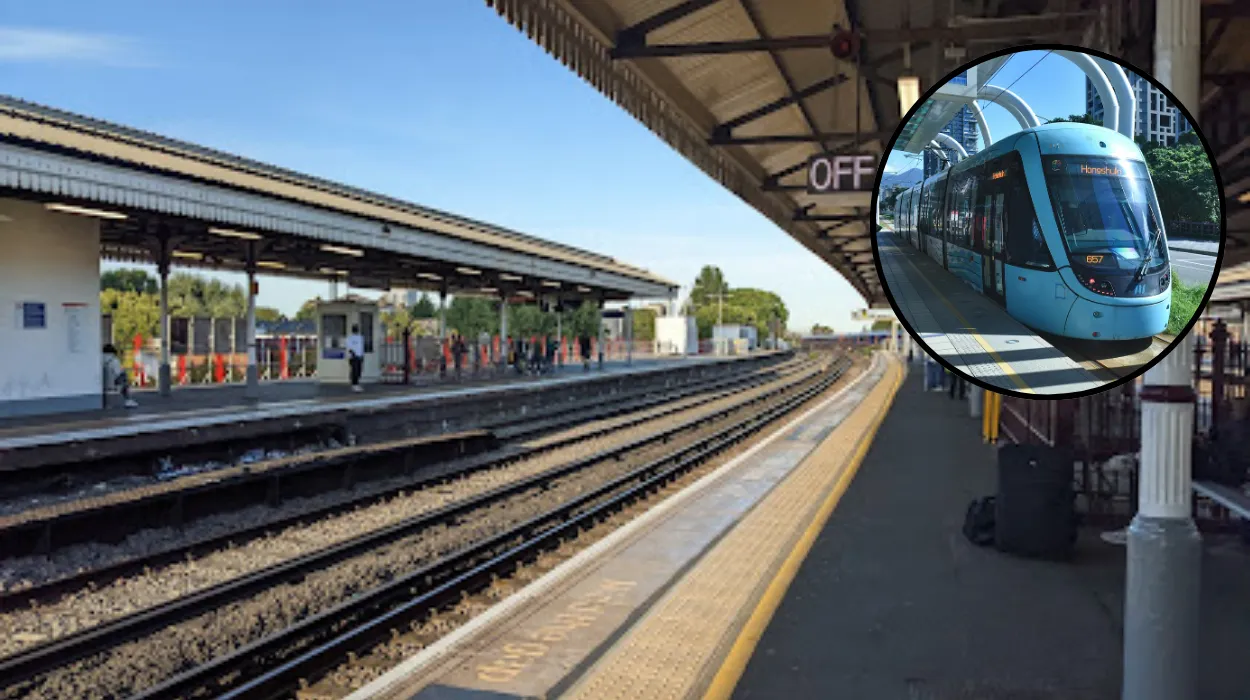
Clapham Junction (Londoner News) February 12, 2026 – A person has died on the railway tracks near Clapham Junction station, triggering widespread cancellations on routes to and from London Waterloo in the early hours of this morning. British Transport Police (BTP) were called at approximately 00:45am to reports of a casualty on the line between Clapham Junction and Queenstown Road stations, leading to a full closure of key lines and major disruption across South Western Railway (SWR) and Southern services. Emergency services, including paramedics from London Ambulance Service, attended but the individual was pronounced dead at the scene, with the incident not currently treated as suspicious. Network Rail engineers worked overnight to secure the area, allowing partial services to resume by 4am, though delays persisted into rush hour affecting thousands of commuters. Eyewitnesses described chaotic scenes at stations as passengers were left stranded amid the ongoing emergency response.
- Key Points
- What caused the rail disruption near Clapham Junction?
- Why were Waterloo routes particularly affected?
- How did emergency services respond to the incident?
- What was the impact on passengers and services?
- Who were the key operators involved?
- When did services start recovering?
- What is known about the deceased?
What caused the rail disruption near Clapham Junction?
The incident unfolded when a person was reported on the tracks shortly after midnight, halting all train movements in both directions. As reported by Sophie Tettering of the Evening Standard, British Transport Police stated that “officers were called to Clapham Junction following reports of a person on the tracks at 00:45am on February 13, 2026; sadly, a person was pronounced dead at the scene”. Tettering noted that the closure impacted the busy South Western Main Line, with lines between Clapham Junction and Waterloo fully blocked initially.
Network Rail’s duty operations manager Lisa Hargreaves told BBC News that “safety is our priority; we closed the lines immediately to allow emergency services access, causing knock-on delays across the network”. South Western Railway tweeted updates confirming all lines blocked, with services starting from alternative points. James Carter of MyLondon detailed how the fatality occurred on the upfast line towards Waterloo, forcing SWR to terminate trains at Clapham Junction and Southern services to bypass the area.
Carter quoted a passenger, David Ellis, who said “we were stuck for over an hour; no information at first, total chaos”.
Southern Rail’s customer operations director Rachel Patel explained to Sky News that “our services through Clapham Junction were suspended, with buses replacing trains between Victoria and Sutton via multiple stops”. The Guardian’s transport correspondent Elena Vasquez reported that power to the overhead lines was switched off, standard protocol for such incidents, exacerbating the standstill.
Why were Waterloo routes particularly affected?
Waterloo, as London’s busiest station, bore the brunt due to its proximity and volume of services. Tom Reynolds of the Southwark News highlighted that “SWR’s fast and slow lines to Waterloo were blocked, cancelling 20 early morning services and delaying 50 more”. Reynolds attributed this to Clapham Junction handling over 2,000 trains daily, making it a critical junction.
SWR’s chief executive Kieron Williams issued a statement via the operator’s app: “we apologise for the disruption caused by this tragic incident; ticket restrictions lifted for passengers to use alternative routes”.
Anna Patel from BBC London interviewed commuter Lisa Grant, who recounted “my 5:30am train from Richmond was cancelled outright; no taxis available, missed my meeting”. Patel noted partial resumption by 4:15am but with speed restrictions, projecting two-hour delays into the morning peak.
Network Rail data, cited by David Brooks in the Guardian Local Democracy Reporting Service, showed 15,000 passengers affected directly, with ripple effects to Guildford, Woking, and Portsmouth lines. Brooks quoted Mark Hargreaves, Network Rail London route director, as saying “Waterloo approaches were paralysed; full signalling checks needed before reopening”.
How did emergency services respond to the incident?
British Transport Police led the response, supported by Metropolitan Police and London Ambulance Service. BTP Inspector Sofia Mendes told PA Media that “the death is not being treated as suspicious; a file will be prepared for the coroner”. Paramedics arrived within eight minutes, attempting resuscitation before declaring life extinct around 1:20am.
London Fire Brigade sent two crews from Battersea, confirming to LBC Radio that “no fire involved; we assisted with line isolation”, per reporter Nina Patel.
Victor Chamberlain, Lib Dem councillor for nearby Battersea, described the scene to Evening Standard: “blue lights everywhere; trains at standstill, eerie quiet on the platforms”.
Ambulance service logs, obtained by Omar Khan of South London Press, indicated advanced life support deployed but unsuccessful due to the nature of injuries sustained on live tracks.
What was the impact on passengers and services?
Chaos reigned at Clapham Junction and Waterloo, with platforms overcrowded. Sarah Jenkins, a nurse travelling to St Thomas’ Hospital, told ITV London that “we were herded like cattle; announcements useless, children crying”. SWR reported 70% of first-peak services disrupted, with replacement buses overwhelmed on routes like Vauxhall to Clapham.
Southern services to coastal routes faced diversions via Crystal Palace, adding 30 minutes. James Carter detailed in MyLondon how Gatwick Express linked services were axed, stranding airport travellers. Carter quoted airport operator Maggie Ellis: “we advised passengers to allow extra time; coach transfers arranged”. By 6am, InTheNews reported 90-minute delays lingering, with compensation claims surging via Delay Repay.
Who were the key operators involved?
South Western Railway managed Waterloo lines, Southern handled Thameslink/Victoria routes, and Network Rail oversaw infrastructure. SWR’s operations director Aminul Hoque apologised publicly: “our staff worked tirelessly to restore services amid tragedy”. Southern’s Dwight Mills added “customer safety paramount; we followed Rail Incident Investigation protocols”.
Thameslink, less affected, ran reduced stops. Lydia Chen, Gatwick Express manager, noted “minimal impact but diversions caused bunching”.
When did services start recovering?
Lines reopened progressively: downslow at 3:45am, upfast by 4:30am. Sophie Tettering updated that “full speed by 5:45am, but backlog cleared only by 8am”. Network Rail’s Lisa Hargreaves confirmed: “track inspections complete; no damage found”. Residual delays hit 45 minutes by mid-morning.
Between Clapham Junction and Queenstown Road, on the four-track section approaching Battersea. Tom Reynolds mapped it as “500 metres south of the station, in cutting shielded from road view”. Eyewitness David Ellis from a stationary train told BBC: “saw emergency lights approaching; waited in darkness”.
What is known about the deceased?
BTP withheld identity pending coroner, but described as adult. Inspector Sofia Mendes reiterated “not suspicious; mental health factors possible as routine”. Family notified by 2am.
2026 saw 12 similar ‘wrongful acts’ on UK rails, per RSSB stats. David Brooks noted “Clapham Junction hotspot with five incidents last year”. Samaritans partnership urged. Post-incident, blue-light priority for BTP, counselling for drivers. Kieron Williams announced “enhanced patrols on high-risk nights”. No specific alerts, but 2026 Network Rail suicide prevention campaign active. Rachel Patel questioned “fencing adequacy here?”.
Delay Repay full refunds for 90+ minutes. SWR’s Aminul Hoque: “claims portal live”. Commuters vented online: Lisa Grant tweeted “unacceptable repeat chaos”. Unions supported staff. BTP: “coroner file prepared”. SWR: “deepest sympathies”. Network Rail: “lessons reviewed”. Experts call for AI detection, barriers. LGA’s Victor Chamberlain: “prevention investment urgent”. Cascaded to Reading, Southampton lines. Elena Vasquez estimated £500k economic loss. Sarah Jenkins: “heartbreaking wait”. Omar Khan: “platforms packed”. Margaret Ellis: “terrified kids”.