Key Points
- Urban Reintroduction: A family of five Eurasian beavers, released in October 2023 at the 20-acre Paradise Fields nature reserve in Greenford, West London, has successfully mitigated chronic flooding at a nearby London Underground station.
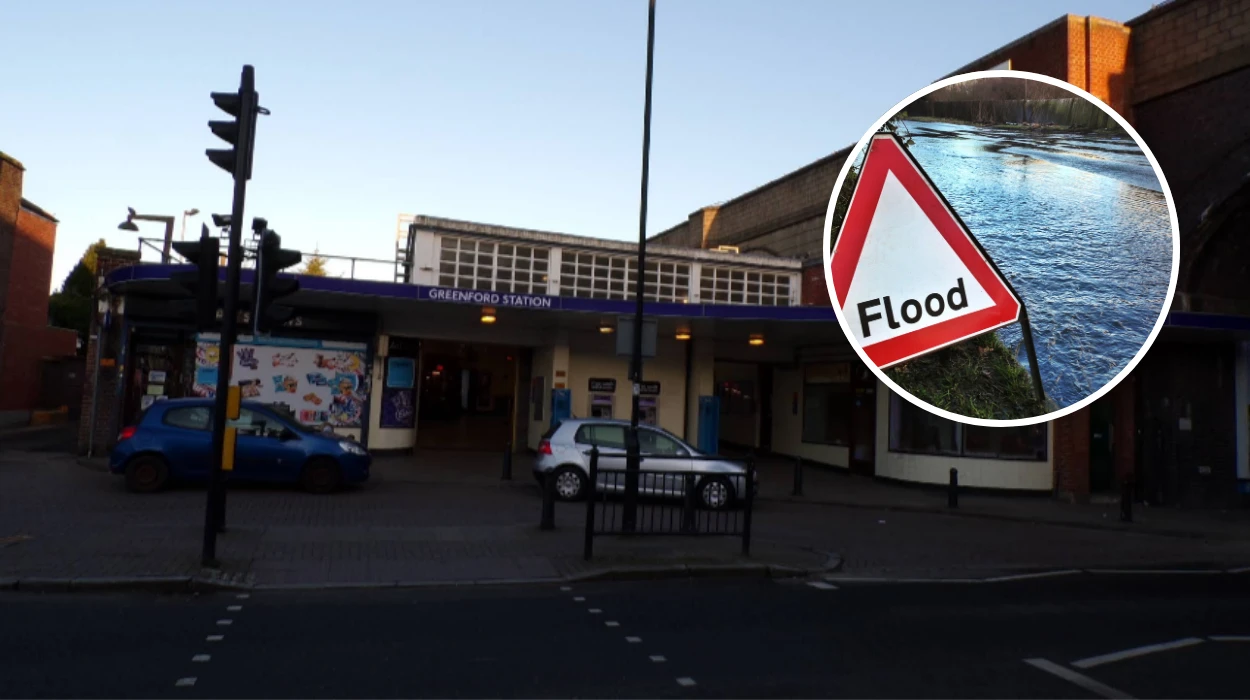
- The Problem: Driven by erratic climate change weather patterns, heavy rain frequently caused a local creek to overflow, routinely inundating the ticket office and ground facilities of West London’s Greenford Tube station.
- The Solution: Pioneered by the Ealing Beaver Project, the semi-aquatic mammals built seven dams in their first year, altering local hydrology to function like a giant natural sponge that absorbs and slowly releases heavy downpours.
- Economic Benefit: The natural solution proved highly cost-effective, allowing local transport and municipal authorities to completely cancel an expensive engineering proposal to construct a man-made stormwater dam and reservoir.
- Ecological Renaissance: Tree-felling and damming by the beavers opened up the forest canopy, prompting an explosion in local biodiversity, including the return of rare butterflies, bats, bird species, and freshwater shrimp.
- National Friction: While hailed as a triumph for urban rewilding, the wider return of beavers across Britain has sparked opposition from the agricultural sector due to unauthorized releases causing crop flooding and riverbank erosion on private lands.
London (The Londoner News) June 3, 2026 – An innovative, low-cost rewilding initiative utilizing a family of reintroduced Eurasian beavers has successfully brought an end to chronic, climate-change-induced flooding at West London’s Greenford Tube station. The transport hub, which historically suffered regular operational disruptions when heavy rainfall caused an adjacent creek to breach its banks and swamp its ticket office, has remained entirely flood-free since the mammals were introduced. Released in October 2023 through the community-led Ealing Beaver Project, the small family of five beavers—comprising two adults and three kits—has transformed a former municipal golf course into a dynamic, multi-layered wetland. By constructing seven natural dams within their first year, these “nature’s engineers” have successfully managed local water levels, providing an environmental blueprint that has allowed transport authorities to scrap a multi-million-pound grey-infrastructure flood prevention scheme.
- Key Points
- Why Was Greenford Tube Station Regularly Flooding?
- How Did the Ealing Beaver Project Intervene?
- What Impact Did the Beaver Dams Have on Local Hydrology?
- How Much Money Did the Beavers Save Taxpayers?
- Which Animal Species Have Returned to Paradise Fields?
- Why Are British Farmers Resisting the Nationwide Beaver Surge?
- What Is the Future of Urban Rewilding in London?
Why Was Greenford Tube Station Regularly Flooding?
To understand the success of the project, meteorologists and transport officials point to the intensifying pressures of global climate change on antiquated urban infrastructure. While Britain has long been synonymous with persistent, light drizzle, changing global temperatures have altered regional weather systems, resulting in increasingly heavy, intense, and unpredictable cloudbursts.
At Greenford Tube station, located in the London Borough of Ealing, the train tracks themselves are elevated safely above ground level. However, the station’s lower passenger corridors and subterranean ticket hall sat directly in the path of a local, unnamed creek. During heavy downpours, the concrete-bound urban landscape offered no natural drainage, forcing immense volumes of surface runoff into the creek simultaneously. This sudden hydraulic surge consistently overwhelmed the channel, spilling dirty floodwater into the station’s public areas and requiring staff to permanently line the corridors with sandbags to keep the transport hub operational.
How Did the Ealing Beaver Project Intervene?
Rather than opting for disruptive, carbon-heavy civil engineering works to channel the creek, conservationists looked to history for a nature-based solution. The Eurasian beaver was hunted to absolute extinction across England and Wales more than 400 years ago, targeted heavily during the 16th and 17th centuries for its meat, its dense fur used in coat manufacturing, and castoreum—a chemical secretion from the animal’s scent glands that was prized as a perfume stabilizer and food flavoring.
In October 2023, under a formal government license issued by Natural England, the Ealing Beaver Project staged a historic translocation. The group safely released the family of five beavers into Paradise Fields, a 10-hectare (20-acre) marshy parkland directly adjacent to the afflicted Underground station. The site, which once operated as a public golf course, featured the very creek responsible for the station’s structural flooding.
What Impact Did the Beaver Dams Have on Local Hydrology?
The architectural impact of the semi-aquatic rodents on the West London landscape was almost immediate. Working primarily during crepuscular hours—at dawn and dusk—the family felled local trees and gathered deadwood to block the fast-flowing creek. Within a matter of weeks, the primary dam caused the surging stream to pool safely into a wide, controlled pond, significantly slowing the downstream velocity of the water.
Beyond the initial dam, the beavers dug out complex networks of side channels, pathways, and smaller tributaries. This intricate earthwork effectively divided the single, aggressive water channel into a sprawling, managed wetland matrix. As noted in a broadcast report by journalist Lauren Frayer of NPR, Sean McCormack, a local veterinarian and the co-founder of the Ealing Beaver Project, explained the mechanics behind the transformation:
“They effectively turned this site into a giant sponge that can take heavy rainfall and slowly release water back into the landscape, creating a lot more resilience for flooding.”
By holding back hundreds of thousands of gallons of water within the safety of the Paradise Fields basin, the beavers eliminated the sudden, violent surges that previously pushed the creek into the Greenford Tube station ticket office.
Explore More West London News
Grove Farm Nature Reserve Under Threat: Ealing Sudbury 2026
Labour Unveils New Cabinet After Resounding Victory: Hammersmith 2026
How Much Money Did the Beavers Save Taxpayers?
The financial implications of enlisting wild animals to perform municipal engineering are substantial. Prior to the launch of the rewilding scheme, local administrative and transport authorities were faced with the reality of funding a highly disruptive and expensive flood-mitigation project. Plans were actively being drawn up to completely rework the local landscape through the mechanical excavation of a massive stormwater reservoir and the construction of a reinforced concrete levee system.
However, as reported by Greek international news outlet To Vima, the undeniable success of the natural dams prompted local authorities to officially cancel the capital-intensive project. The self-repairing, zero-maintenance wood dams built by the beaver family out-performed static human engineering models, saving London taxpayers and transport budgets millions of pounds in infrastructure outlays, while proving that natural flood management can function effectively inside a major global metropolis.
Which Animal Species Have Returned to Paradise Fields?
While the primary human objective of the Ealing project was flood defense, the environmental side effects have triggered an ecological renaissance in West London. Beavers are widely classified by biologists as a “keystone species”—an organism that creates, significantly modifies, and maintains entire ecosystems, sustaining dozens of other species that cannot exist without them.
By strategically felling trees, the beavers opened up the dense, overgrown woodland canopy, allowing sunlight to reach the forest floor for the first time in decades. This sunlight, combined with the clean, filtered water of the newly formed wetlands, has invited a massive influx of urban wildlife. Reporting on the project’s wider ecological audits, Sean McCormack of the Ealing Beaver Project stated to NPR’s Lauren Frayer:
“By felling trees, they’ve also opened up the canopy, and we’ve seen an abundance of biodiversity.”
Ecological surveys conducted at Paradise Fields since the reintroduction have confirmed the establishment of several thriving wildlife populations:
- Invertebrates: Freshwater shrimp have successfully recolonised the creek, indicating a sharp rise in overall water quality due to the sediment-filtering properties of the beaver dams.
- Avian Populations: Eight entirely new species of birds have been recorded nesting around the newly formed lagoon and wetlands.
- Mammals: Two distinct species of bats have begun utilizing the open forest canopy as hunting corridors for insects at night.
- Insects: Populations of the rare brown hairstreak butterfly have surged on the site. Researchers noted that the butterflies prefer to lay their eggs on the fresh, tender shoots of blackthorn bushes that grow vigorously after being nibbled on by the resident beavers.
Remarkably, this thriving nature reserve operates in extreme proximity to dense urban development, with the beavers actively engineering ecosystems less than 100 metres behind a busy commercial high street featuring a local McDonald’s restaurant.
Why Are British Farmers Resisting the Nationwide Beaver Surge?
Despite the localized adulation surrounding the Ealing Beaver Project, the broader national reintroduction of beavers across the United Kingdom has exposed a growing rift between environmental rewilders and the agricultural community. While the London project operates within a strictly enclosed, monitored 20-acre urban park to comply with Natural England safety parameters, populations elsewhere—particularly across Scotland and parts of rural England—have expanded into open, unfenced territories.
The wild expansion has been heavily accelerated by controversial figures known colloquially as “beaver bombers”—renegade wildlife activists who deliberately release unlicensed, unquarantined beavers into rural river systems without property owner consent or regulatory oversight.
This unauthorized spread has caused significant friction on private agricultural lands. Speaking to NPR on behalf of rural stakeholders, Kate Maitland, a regional representative for Scotland’s National Farmers Union (NFU Scotland), voiced the mounting anxieties of rural communities:
“As the beaver population has expanded, we’ve seen more [farmers] getting concerned.”
According to agricultural reports, when left unmanaged in deep rural areas, beaver dams frequently cause severe collateral damage:
- Crop Inundation: Beavers regularly choose to dam agricultural irrigation channels and drainage ditches, inadvertently flooding valuable crop fields and destroying seasonal harvests.
- Infrastructural Damage: The animals have been documented felling century-old, high-value timber trees on private estates.
- Riverbank Erosion: Intensive burrowing and damming activities have, in specific soil conditions, destabilized delicate riverbanks, accelerating soil erosion and threatening adjacent farming infrastructure.
Under current British environmental legislation, it is strictly illegal to destroy or tamper with a beaver dam that is more than two weeks old. To alleviate agricultural losses, the government actively encourages affected farmers to contact environmental authorities to have problem animals humanely trapped and relocated. Ironically, this management system has provided a steady pipeline for urban conservation; the very family of five beavers currently protecting West London’s transit system was originally sourced from a rural conflict area where their dam-building activities had run afoul of local agricultural interests.
What Is the Future of Urban Rewilding in London?
The ongoing success of the Ealing experiment has fundamentally altered how municipal planners view climate adaptation. With the United Kingdom having historically lost over 95% of its natural wetlands to urban development and agricultural drainage, the need for rapid, low-cost climate resilience has never been more urgent.
Organisations behind the initiative, including Citizen Zoo and the Ealing Wildlife Group, are leveraging the Greenford data to lobby for further urban reintroductions across Greater London. Community involvement remains central to the project’s longevity; groups of local volunteers, coordinated by project leaders like Elena Ares, regularly conduct water testing through the international FreshWater Watch network to scientifically document the long-term impacts of the mammals on urban water cleanliness.
By proving that a keystone species can comfortably coexist alongside commuters, tourists, and fast-food chains, the Ealing Beaver Project has established a national model for urban rewilding, showing that the most effective way to combat the modern, complex challenges of global climate change may well lie in restoring the natural architecture of the past.