
Key Points
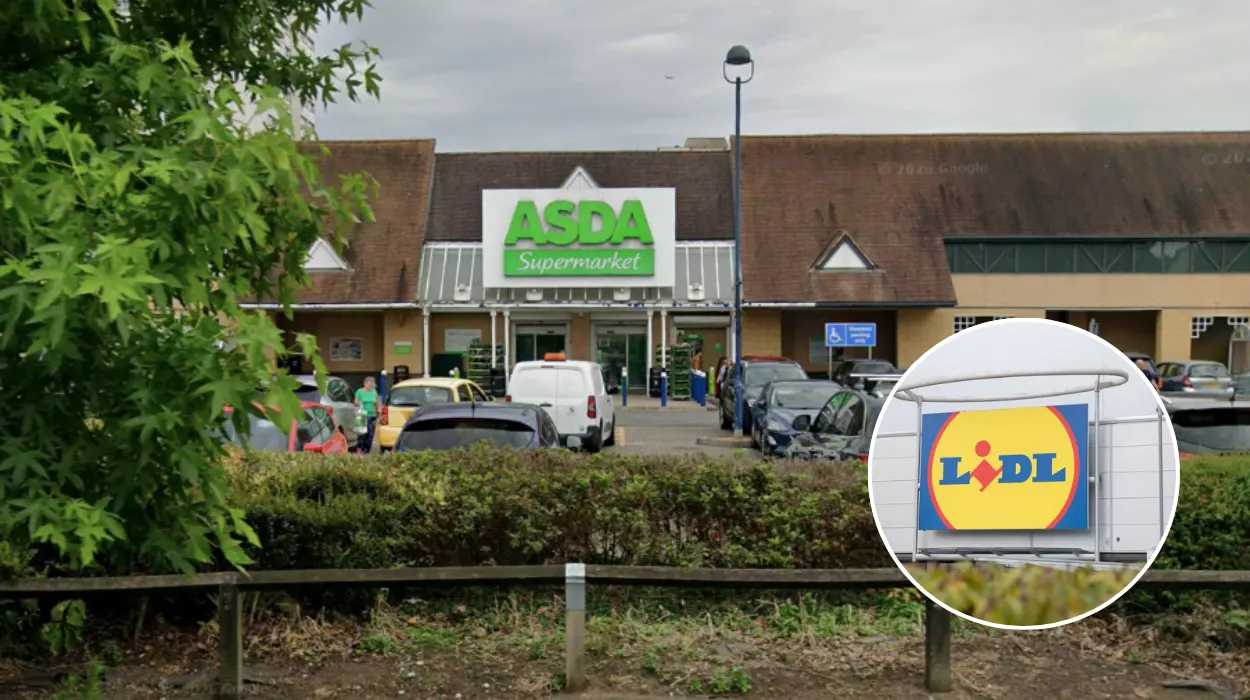
- Takeover of Asda Store: The Asda store situated in Ivybridge Retail Park, West London, which had officially shut down operations on June 5, is now being taken over by Lidl.
- Initial Agreements and TUPE: Lidl had, as per Local Democracy Reporting Service (LDRS), entered into an initial agreement with Asda whereby all 37 employees would be transferred under the regulation known as Transfer of Undertaking (Protection of Employment), also referred to as TUPE, without altering pay, conditions, and other terms and benefits.
- Redundancy: Lidl argued that the Asda store required closure for over six months to undergo refit and refurbishment as per the Lidl standards and thus making redundancy inevitable.
- Staff Termination: According to Philip James Lynch, the Asda staff was officially declared redundant on June 24 because of the failure to get employment opportunities in other Lidl supermarkets due to the lack of vacancies.
- Guaranteed Interview Offered: Lidl has offered a “guaranteed” interview for working in the new Isleworth supermarket to the affected staff when the recruitment process starts.
- Political Criticism: The local political figures like the Isleworth ward councillor Salman Shaheen, Cllr Sue Sampson, and Labour MP Ruth Cadbury have strongly condemned the supermarket chain for not doing enough for job protection and making merely “paltry promises of an interview.”
London (The Londoner News) August 6, 2026 — Supermarket giant Lidl has come under intense scrutiny and local political backlash after making a team of West London supermarket workers redundant, despite having previously engaged in consultations and initial transition agreements intended to safeguard their employment. The controversy erupted following Lidl’s acquisition of the former Asda site situated in the Ivybridge Retail Park. While the transition initially promised legal protections for the workforce under employment transfer legislation, the decision to close the branch for an extensive refurbishment period ultimately resulted in the termination of 37 employees.
- Key Points
- Why Were West London Supermarket Staff Made Redundant Despite Initial Agreements?
- What Did Lidl Promise Affected Employees Moving Forward?
- How Have Local Councillors and Politicians Responded to the Decision?
- What Was Asda’s Position on the Post-Takeover Layoffs?
- What Happens Next for the Isleworth Store and Its Community?
Why Were West London Supermarket Staff Made Redundant Despite Initial Agreements?
The origins of the dispute trace back to Lidl’s acquisition of the Asda supermarket in the Ivybridge Retail Park, which ceased trading on June 5. As detailed by Philip James Lynch of MyLondon, the Local Democracy Reporting Service (LDRS) initially understood that Lidl had agreed with Asda to apply TUPE regulations to all 37 staff members. TUPE—the Transfer of Undertakings (Protection of Employment) regulations—is a vital legal framework in the United Kingdom specifically engineered to safeguard employees’ rights and continuity of employment when a business or undertaking is transferred to a new owner.
However, this initial understanding fractured as operational plans for the retail space materialized. According to internal communications reviewed by the LDRS, Lidl informed stakeholders that the building required a complete refit and refurbishment lasting over six months to conform with standard corporate operational protocols. Because of this protracted shutdown window, Lidl maintained that preventing redundancies was unachievable.
Elaborating on the corporate stance, an internal company statement cited by Philip James Lynch of MyLondon explained: “We looked extensively into transferring the affected employees to surrounding Lidl stores; however, due to very limited vacancy availability at nearby locations, we were unfortunately unable to secure alternative employment for them.” Consequently, the corporate entity confirmed: “As a result, the former Asda colleagues were made redundant on 24th June.”
What Did Lidl Promise Affected Employees Moving Forward?
Following the termination of the 37 workers, Lidl attempted to outline a pathway back into employment for the displaced personnel once the rebuilding phase concludes. Although the original framework protecting continuous service under TUPE was disrupted by the redundancy process, the discount retailer introduced a remedial hiring measure.
Addressing the future prospects of the workforce, Lidl stated: “We want to ensure these colleagues have a clear pathway back to the store. We have advised all affected employees that they will be guaranteed an interview for the new Isleworth store as soon as we begin the recruitment process ahead of our opening.”
While management positioned this guarantee as an active effort to support local labor, the measure failed to satisfy critics who noted that an interview does not equate to a guaranteed job offer, nor does it inherently mandate the continuation of their prior pay scales, security, and employment benefits.
How Have Local Councillors and Politicians Responded to the Decision?
The redundancy announcements triggered sharp condemnation from community leaders and elected representatives who had previously implored corporate leadership to honor the spirit of the business transfer. Local councillors—including Cllr Salman Shaheen, Cllr Sue Sampson, and Cllr John Stroud-Turp—alongside local Member of Parliament Ruth Cadbury, had previously written directly to Lidl UK CEO Ryan McDonnell to lobby against compulsory layoffs.
Voicing his deep disappointment over the final outcome, as reported by Philip James Lynch of MyLondon, Councillor Salman Shaheen delivered a scathing critique of the supermarket’s handling of the situation. Councillor Shaheen stated: “I was really looking forward to welcoming Lidl’s arrival in Isleworth – it is important that we have an affordable supermarket serving the Ivybridge estate – but I can no longer do so with any great cheer. I’ve looked into the Middle of Lidl and what I’ve seen is the shoddy treatment of workers who have served our community for many years.”
Expanding on the broken expectations surrounding the corporate transition, Councillor Shaheen added: “When Cllr Sue Sampson, Ruth Cadbury MP and I wrote to Lidl, urging them to rule out compulsory redundancies, they told us they’d do everything they could to avoid them. In the end, they’ve done the exact opposite. They’ve made everyone redundant, with no guarantee of getting their old job back, only the paltry promise of an interview, and no protection of workers’ existing pay and conditions as they would have received under TUPE. Lidl’s products may be cheap, but sadly it seems so is their talk.”
Explore more West London News:
Gail’s Bakery Opening at Hammersmith Civic Campus, London 2026
Katie Fisher Leads Merged NHS Body in Ealing 2026
What Was Asda’s Position on the Post-Takeover Layoffs?
The unfolding employment crisis also strained relations between the outgoing and incoming corporate entities. Earlier in the consultation cycle, when notices of potential restructuring were first communicated to the workforce, Asda expressed explicit frustration regarding Lidl’s operational shift.
As noted in regional reports covering the initial dispute by BrentfordTW8.com and MyLondon, an internal communication indicated that Asda was “incredibly disappointed that Lidl have made this decision, particularly as protecting store colleagues’ employment under TUPE was a key factor in the decision to transfer ownership to another retailer.”
Asda maintained that safeguarding the frontline staff was a fundamental component of the divestment agreement for the Ivybridge Retail Park branch. While Asda attempted to assist workers by exploring alternative roles across alternative corporate locations during the initial phases of the dispute, the legal transition ultimately concluded with the mass redundancy action executed on June 24.
What Happens Next for the Isleworth Store and Its Community?
Despite the mounting public criticism and labor disputes, Lidl has maintained its commitment to completing the extensive site transformation. The company asserts that the heavy investment into the infrastructure of the former Asda unit is necessary to modernize the shopping environment for residents living on the Ivybridge estate—an area noted as one of the more economically vulnerable pockets within the London Borough of Hounslow.
Lidl representatives maintain that the overarching goal remains focused on bringing a high-quality, budget-friendly retail alternative back to the local population later in the year. However, labor advocates and local representatives argue that the human cost of the transition has left an indelible mark on the community’s perception of the corporate giant. As recruitment timelines for the newly minted Isleworth branch approach, displaced workers face the prospect of competing for their former posts under entirely discretionary terms—leaving a fractured legacy in the wake of West London’s high-profile supermarket handover.