
Key Points
- Action Area Designation: Hammersmith and Fulham Council has officially designated Uxbridge Road as a strategic “Action Area” within its draft 15-year Local Plan to overhaul its streetscape and visual condition.
- Massive Public Backing: The decision follows an intense local campaign that gathered nearly 3,000 signatures, with Uxbridge Road issues dominating the council’s initial public consultation feedback.
- Targeted Improvements: The regeneration blueprint focuses on cleaning neglected shopfronts, upgrading pavements, removing obsolete street furniture, planting trees, and tackling rampant crime and anti-social behaviour.
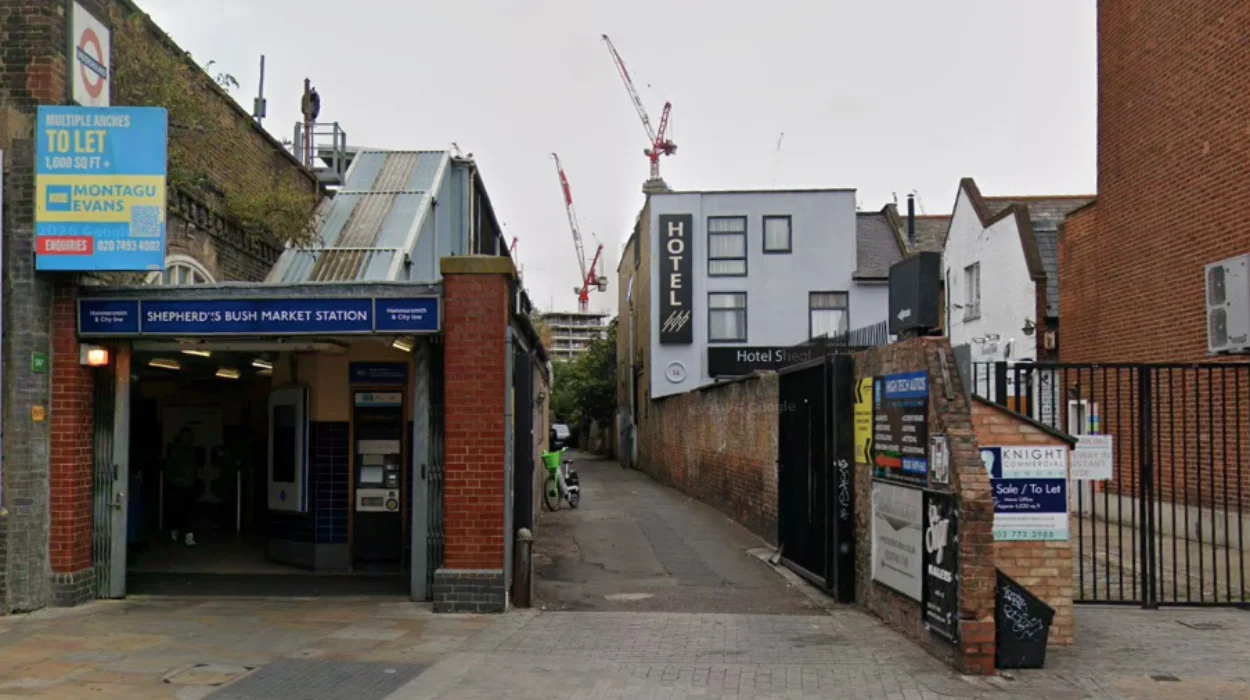
- Infrastructure Lobbying: The council has committed to lobbying Transport for London (TfL) to secure crucial modernisations and step-free access for both Shepherd’s Bush Market and Goldhawk Road London Underground stations.
- Broader Borough Adjustments: The revised Local Plan also reduces annual housing targets to 1,406 homes, adjusts affordable housing requirements, and retains the Hammersmith Flyunder proposal while removing its housing allocation status.
- Next Steps: A second round of public consultation is scheduled for August 2026 before the plan undergoes independent examination by the Secretary of State, with final adoption anticipated by November 2027.
London (The Londoner News) July 02, 2026 – A tired and neglected West London high street is set to receive a comprehensive environmental and economic overhaul after Hammersmith and Fulham Council officially designated Uxbridge Road as a strategic “Action Area” in its revised 15-year Local Plan. The policy shift, which aims to drastically improve the visual condition, safety, and commercial vibrancy of the key arterial route, comes as a direct victory for a relentless local community campaign that secured nearly 3,000 signatures demanding local authority intervention. Under the newly amended framework, the borough will enforce higher architectural design standards, fund streetscape upgrades through developer contributions, and actively lobby Transport for London for structural upgrades to nearby tube stations.
- Key Points
- Why Is Uxbridge Road Being Designated as an Action Area?
- What Specific Changes Will the Regeneration Plan Bring to West London?
- How Have Community Campaigns and Council Officials Reacted to the News?
- What Other Major Adjustments Have Been Made to the 15-Year Local Plan?
- What Are the Next Steps and Consultation Dates for the Local Plan?
The decision to elevate Uxbridge Road to an Action Area was formally advanced ahead of a pivotal Cabinet meeting this week, where senior leadership gathered to deliberate on the updated draft of the Local Plan. This long-term planning framework, designed to direct the borough’s growth and development patterns until 2042, underwent its first round of statutory public consultation between late October and mid-December last year. The exercise yielded a powerful wave of community activism, drawing 707 formal representations from 235 individual consultees, with an overwhelming 178 submissions focusing entirely on the perceived decline of Uxbridge Road.
Why Is Uxbridge Road Being Designated as an Action Area?
As reported by Local Democracy Reporter Ben Lynch of MyLondon, an official council officers’ report compiled prior to the Cabinet discussions revealed that feedback concerning Uxbridge Road completely “dominated” the public consultation phase. Local residents and stakeholders expressed profound frustration regarding the street’s historical exclusion from the adjacent, multi-billion-pound White City and Shepherd’s Bush regeneration zones, which have seen rapid modern development over the past decade.
According to Ben Lynch’s reporting, council officers explicitly noted in their documentation that:
“Respondents strongly requested its inclusion in the Local Plan and called for cleaner, safer streets, improved pavements, better shopfronts, and measures to reduce crime and anti-social behaviour.”
In the text of the draft Local Plan, Hammersmith and Fulham Council has openly acknowledged the deep-seated structural issues plaguing the thoroughfare. Local authority records highlight a state of “wider environmental decline,” ranging from dilapidated and neglected commercial shopfronts to systemic municipal challenges. Furthermore, planning officers explicitly identified that the proposed Action Area—which naturally encompasses the busy transport and leisure hub of Shepherd’s Bush Green—has been severely impacted by persistent anti-social behaviour (ASB), criminal activity, and is a documented local hotspot for offensive graffiti and illegal flyposting.
What Specific Changes Will the Regeneration Plan Bring to West London?
The overarching objective of the newly minted Action Area status is to reverse decades of physical neglect by deploying target-driven planning policies. As transcribed from the council’s planning document by MyLondon journalist Ben Lynch, the Local Plan states that the strategic designation:
“Supports improvements [to] the visual condition and vibrancy of Uxbridge Road by encouraging the highest standards of design in new developments, shopfront and streetscape improvements, and unlocking the untapped cultural, creative and economic potential of the area which will establish it as a successful place for people to live, work and visit.”
To turn these policy objectives into physical reality, Hammersmith and Fulham Council has outlined a multi-pronged execution strategy:
Commercial and Environmental Improvements
- Shopfront Standard Enforcement: Implementing strict aesthetic guidelines for local businesses to remediate neglected facades.
- Pavement and Walkway Reconstruction: Upgrading footpaths to improve pedestrian safety, accessibility, and comfort.
- Streetscape Decluttering: Removing obsolete, damaged, or redundant street furniture that restricts pedestrian flow.
- Urban Greening: Expanding the ongoing tree-planting initiative to improve local air quality and visual appeal.
Infrastructure and Financial Funding
To finance these large-scale public realm improvements, the local authority intends to aggressively seek developer funding secured via Section 106 planning obligations and Community Infrastructure Levy (CIL) contributions from private firms investing in the borough.
Furthermore, in a move that directly addresses long-standing transit accessibility issues in West London, the council has formally committed to using its political weight to lobby Transport for London (TfL). The borough is demanding comprehensive modernisation packages and the installation of step-free access at both Shepherd’s Bush Market and Goldhawk Road London Underground stations, making the local transport network fully accessible to disabled commuters, the elderly, and families with prams.
How Have Community Campaigns and Council Officials Reacted to the News?
The policy update has been met with widespread celebration from community activists who have spent more than a year pressuring local politicians for municipal accountability. Early remedial works have already commenced on the high street, including initial pavement decluttering and targeted tree planting, which activists view as a positive sign of momentum.
In a formal statement provided to the Local Democracy Reporting Service (LDRS) and published by MyLondon, a spokesperson for the highly active ‘Fix Uxbridge Road’ campaign group expressed strong optimism regarding the partnership, stating:
“Fix Uxbridge Road welcomes the collaboration with the council on the definition of a strategic policy for the Uxbridge Road Action Area included in the latest local plan (Regulation 19), viewing it as a strong foundation to unlock the area’s untapped cultural, creative, and economic potential. This evolving framework aims to elevate the visual condition and vibrancy of Uxbridge Road through high standards of design, shopfront, and streetscape improvements. Ultimately, the goal is to shape a welcoming high street that truly reflects the community it serves – creating a local destination where residents can shop, socialise, and spend time rather than leaving the area to go elsewhere.”
Representing the local authority, a spokesperson for Hammersmith and Fulham Council re-emphasised the civic body’s long-term commitment to collaborative town planning, telling MyLondon:
“We’re working with residents and businesses to improve our town centres as we make Hammersmith and Fulham the best place to live, work and socialise. We have exciting plans for Uxbridge Road as we work with residents who want to make it safer, cleaner and more accessible. The proposed new Local Plan will help bring the improvements wanted to the road and enable those investing in the area to contribute.”
Explore more West London News:
How West London Beavers Stopped Railway Station Flooding: Ealing 2026
Three Injured in Major Ealing Broadway Crash: London 2026
What Other Major Adjustments Have Been Made to the 15-Year Local Plan?
While the inclusion of the Uxbridge Road Action Area represents the most significant localized amendment, the council’s broader 15-year blueprint has undergone several critical revisions following the initial public consultation feedback. These changes alter the borough’s macro-level approach to housing delivery, infrastructure, and developer obligations between now and 2042:
1. Revision of Annual Housing Targets
In light of updated “Objectively Assessed Housing Need” data, the local authority has downscaled its macro housing ambitions. The revised statutory housing target, effective from 2029 onwards, has been reduced to 1,406 completed homes per year across the borough.
2. Restructuring of Affordable Housing Requirements
The council has amended its planning mix policy to place a much stronger emphasis on the delivery of family-sized homes, combatting the over-saturation of single-bedroom apartments. Crucially, the threshold for mandatory affordable housing contributions on-site has been drastically lowered from schemes of nine dwellings down to small-scale developments of just two dwellings. Under the new rules, financial payments in lieu will be systematically prioritized over on-site delivery for these smaller projects.
3. Preservation of the Hammersmith Flyunder Proposal
The council has chosen to retain its highly publicised Hammersmith Flyunder proposal within the draft text. However, in a significant shift in planning strategy, the long-term infrastructure project will no longer be framed or designated as a specific site allocation for residential housing development.
What Are the Next Steps and Consultation Dates for the Local Plan?
The publication of the amended draft marks the beginning of the final legislative phases required to pass the framework into statutory law.
As outlined by Ben Lynch of MyLondon, the council has established a firm timeline leading toward final legal adoption:
- August 2026: The local authority will launch its second round of public consultation (Regulation 19), allowing residents, business owners, and legal stakeholders to review and submit final technical feedback on the amended proposals.
- Late 2026 / Early 2027: Following the conclusion of the second consultation, the finalized draft will be formally submitted to the Secretary of State for Housing, Communities and Local Government.
- 2027: An independent Planning Inspector will conduct a rigorous public examination of the document to test its legal compliance and sound planning logic.
- November 2027: Anticipated date for the formal, statutory adoption of the Local Plan, which will then legally govern all development and planning decisions across Hammersmith and Fulham for 15 years until 2042.