
Key Points
- Sir Sadiq Khan, Mayor of London, has pledged to cooperate constructively with any Green or Reform‑controlled councils that emerge in London following the 7 May 2026 local elections.
- Speaking in inner‑London on 17 April 2026, Khan framed himself as “Team London,” stressing that he will work with whoever local voters choose, regardless of party.
- Khan warned voters not to treat the May poll as a referendum on Labour’s performance, cautioning that protest votes for the Greens or Reform could lead to governance outcomes Londoners may later regret.
- The Greens and Reform are both targeting gains in London, with the Greens aiming to capitalise on dissatisfaction among former Labour supporters in inner boroughs and Reform pushing for seats in outer areas.
- Khan’s offer to work with alternative‑controlled councils comes amid wider fears from Conservatives and others about the future of London’s green belt and open spaces, particularly if Reform‑led councils align with certain mayoral planning proposals.
- The May 2026 elections will see all 32 London borough councils vote, alongside council and devolved‑parliament elections elsewhere in the UK, against a backdrop of Labour’s national struggles and projected local losses.
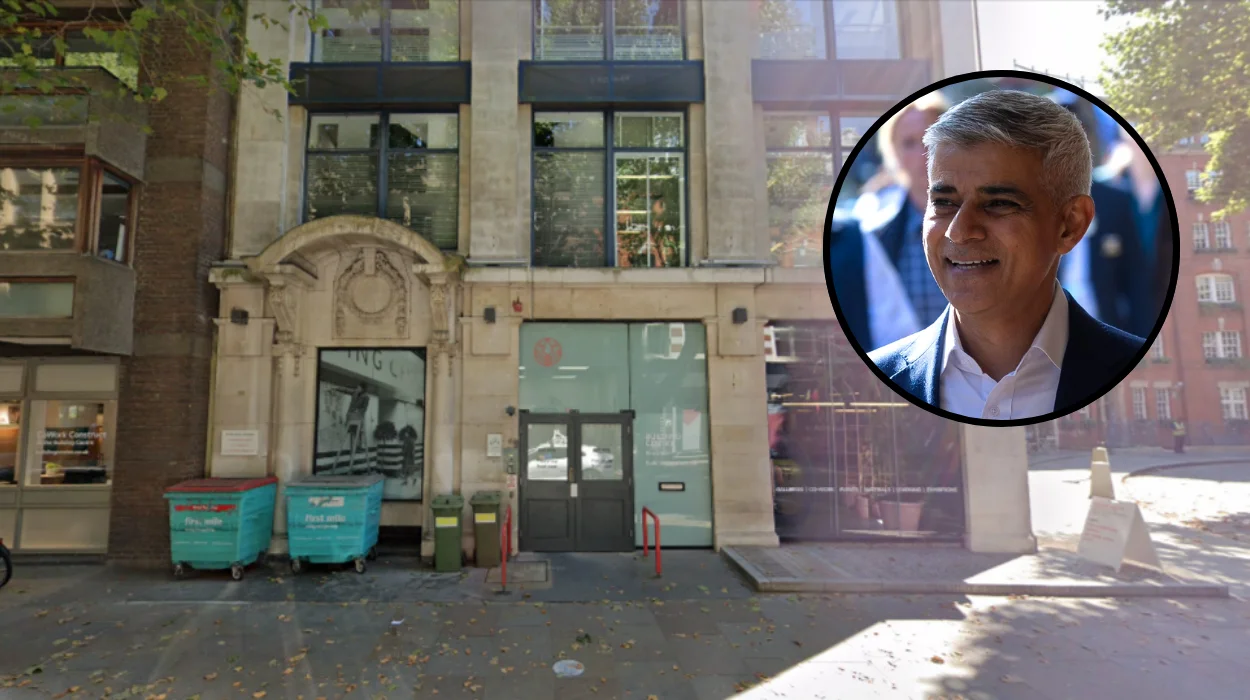
London (The Londoner News) April 18, 2026 – Sir Sadiq Khan, Mayor of London, has said he will work constructively with any Green or Reform‑controlled councils that emerge in the capital after the 7 May 2026 local elections, insisting that he is “Team London” first and foremost. In a series of remarks captured by multiple outlets and social‑media clips, Khan urged residents not to treat the upcoming poll as a referendum on Labour’s progress, while simultaneously signalling an openness to cross‑party collaboration at the local level. His comments come one month before all 32 London boroughs head to the polls, in what is expected to be a highly fluid and competitive election environment.
- Key Points
- How did Khan frame his willingness to work with Reform and Green councils?
- What did Khan say about protest voting for Greens and Reform?
- What are the political dynamics in London’s May 2026 elections?
- How are the Conservatives responding to the idea of Khan partnering with Reform?
- What role does the green belt play in this debate?
- How are the Greens positioning themselves in this landscape?
- What does Khan’s “Team London” stance imply for governance after 7 May?
- How might this affect voters’ decisions in different parts of London?
- What broader implications does this have for London politics?
How did Khan frame his willingness to work with Reform and Green councils?
As reported by multiple outlets covering a video clip and related messaging on 17 April, Khan stated that he would “work with whoever Londoners choose to lead their councils,” including any Green or Reform administration. A social‑media clip from a reporting platform, dated 17 April 2026, headlines:
“The Mayor of London vowed to work with council leaders from all parties while stating he would continue to push Labour’s vision for the city.”
Another post, shared by a London‑based media‑watch account, notes:
“Today Sadiq Khan says he’s ‘Team London’ and ready to work with Reform councils for the benefit of Londoners,”
underscoring his attempt to position himself as a unifying figure above partisan divides.
Khan did not frame such cooperation as a concession but as a pragmatic necessity, arguing that London’s complex challenges – from housing and transport to youth services – require mayoral‑council collaboration regardless of party labels. A youth‑centric segment of his 17 April appearance, where he announced new funding for local facilities, was used by one outlet to emphasise that
“the Mayor will work with whoever is in charge of local councils in order to deliver for young people.”
What did Khan say about protest voting for Greens and Reform?
Writing in an exclusive article dated 8 April 2026, journalist Amelia Gentleman for The Guardian reported that Khan warned Londoners they might “regret” protest votes for the Green Party or Reform in the upcoming local elections. According to Gentleman, Khan told the paper:
“I understand that some voters who used to support Labour are flirting with other parties, but they may come to regret electing Green or Reform councils in their neighbourhoods.”
She notes that Khan made the remarks during an interview at a youth centre where he unveiled new funding to improve local facilities for young people.
Gentleman also reports that Khan advised Labour MPs against mounting a challenge to Prime Minister Keir Starmer, suggesting that internal party splits would play into the hands of both the Greens and Reform at the local level.
That context, she explains, underpins Khan’s public appeal to voters not to treat the 7 May elections as a “punishment” roll‑call for Labour’s record, but as a serious decision about who will actually run their local services.
What are the political dynamics in London’s May 2026 elections?
According to The Guardian, polling and internal forecasts suggest that several Labour‑held wards in inner London are highly vulnerable to Green candidates or independents, while Reform is targeting gains in outer boroughs.
The paper adds that the May 2026 poll is part of a wider round of elections across England, Scotland and Wales, at a time when Labour nationally is projected to underperform in parts of the country.
A separate BBC feature on the 2026 council elections notes that Londoners will elect 1,817 councillors across the capital’s 32 boroughs, alongside five directly elected mayors, with local authorities managing more than £12 billion in annual spending on services such as education, libraries and waste collection.
The article highlights that while the Mayor of London sets a strategic vision, day‑to‑day decisions on many services lie with borough councils, making the 7 May vote a key determinant of how major policies will be implemented locally.
How are the Conservatives responding to the idea of Khan partnering with Reform?
In an article published by Express on 7 April 2026, the paper reports that Conservative figures have accused Reform of forming an “unholy alliance” with Khan over the future of London’s green belt.
The piece, written by a politics correspondent whose byline appears in the online edition, states that critics argue Reform‑led councils could effectively enable the Mayor to relax protections on green spaces and expand development in areas currently safeguarded.
The article quotes Susan Hall, then leader of the London Conservatives and a former mayoral candidate, saying that if Reform gains control of councils in May, their “anti‑green‑spaces agenda” would gain legitimacy in council offices throughout London. According to the Express, Hall warned that vibrant parks, waterways and greenery could be “lost beneath skyscrapers” if Reform and the Mayor align on planning reforms. She also cautioned voters not to be misled by Reform’s public attacks on Khan, arguing that the party is
“eager to collaborate with the Mayor to eliminate your green spaces while pretending they could never partner with him.”
What role does the green belt play in this debate?
The Express article notes that the London green belt remains a deeply contentious issue, especially as the capital faces a housing crisis and Khan prepares to revise the London Plan, the strategic document that guides housing and development policy.
The piece explains that Khan’s earlier proposals to review or revoke certain green‑belt protections have alarmed conservation groups and some Conservative activists, who fear that a Reform‑controlled borough could vote through planning changes that accelerate development on previously protected land.
At the same time, the article notes that Khan’s supporters argue that limited and tightly regulated infill development on the fringes of the green belt is necessary to build the homes London needs without sacrificing the character of the city. This tension – between protecting open space and delivering housing – is expressly what Conservative critics are using to paint Khan’s offer of cooperation with Reform councils as a potential threat to London’s environment.
How are the Greens positioning themselves in this landscape?
The Guardian coverage of Khan’s remarks observes that the Green Party is hoping to capitalise on disillusionment among former Labour voters, particularly in inner‑London boroughs where issues such as housing, climate policy and local decision‑making are prominent.
The article notes that surveys and internal party assessments suggest Green candidates could unseat several Labour incumbents in wards where voters are looking for a more ecologically focused alternative.
In response to Khan’s warning that voters may “regret” shifting to the Greens, the party has emphasised its record on local environmental initiatives and said it would push the Mayor to adopt more ambitious climate targets. Green spokespeople have also argued that Labour under Khan has not gone far enough to protect green spaces or to reduce car dependence, and that a Green‑led council could use its planning powers to resist developments that threaten local parks and playing fields.
What does Khan’s “Team London” stance imply for governance after 7 May?
Media reports following the 17 April messaging suggest Khan is trying to project stability and continuity, regardless of which party or coalition wins in London’s boroughs. One report, summarising a video clip, writes:
“Khan says he will continue to push Labour’s vision for the city, but will work with whoever is in charge of the councils,”
framing his stance as both partisan and pragmatic. Another social‑media‑hosted summary notes that Khan described himself as “Team London,” a phrase campaigners have used in previous campaigns to emphasise cross‑constituency unity over party identity.
Political analysts cited by The Guardian suggest that Khan’s promise of cooperation could help him maintain influence over key policy areas – such as housing, transport connectivity and major infrastructure – even if several boroughs move into Green or Reform hands.
At the same time, they caution that genuine collaboration would depend on the willingness of those councils to accept the Mayor’s leadership on strategic priorities, and that tactical disagreements over planning and taxation could strain any post‑election working relationship.
How might this affect voters’ decisions in different parts of London?
For inner‑London voters, coverage in The Guardian indicates that the choice is increasingly framed as a trade‑off between remaining with Labour, shifting to the Greens, or backing independents, with Khan’s warning that protest votes may produce outcomes residents later regret.
The paper suggests that some Labour supporters, particularly in gentrifying areas, are torn between a desire for stronger environmental and housing‑rights policies and concern that replacing Labour councillors with Greens or independents could weaken the Mayor’s ability to coordinate a city‑wide strategy.
In outer London, reports such as the Express piece highlight the potential for Reform‑led councils to emerge in areas where dissatisfaction with both Labour and the Conservatives runs high. There, the debate is partly about whether Reform‑controlled councils would align more closely with Khan on planning and housing, or seek to constrain the Mayor’s powers, particularly around the green belt and council‑tax levels.
What broader implications does this have for London politics?
Commentators watching the build‑up to 7 May argue that Khan’s public pledge to work with Reform and Green councils signals a recognition that London’s politics are fragmenting beyond a simple Labour‑Conservative binary. By positioning himself as “Team London,” Khan may be attempting to insulate his mayoralty from local‑level swings, preserving his influence over strategic issues even if individual boroughs shift to other parties.
At the same time, as The Guardian and Express coverage show, opponents on both the right and the left are using Khan’s stance to rally support, framing potential alliances with Reform or the Greens as either a threat to the environment or a dilution of Labour’s base. With voting scheduled for 7 May 2026, the outcome – and Khan’s ability to deliver on his promise of cross‑party cooperation – will likely shape the capital’s political landscape for the rest of the decade.