Key Points
- Pro-Palestine groups, under the Palestine Coalition, have called on London Mayor Sadiq Khan to intervene after the Metropolitan Police refused a permit for the annual Nakba Day march on 16 May 2026, marking the 78th anniversary of the Palestinian Nakba.
- Police rejected the proposed route through central London but approved a far-right “Unite the West” march led by Tommy Robinson, passing through Whitehall and the parliamentary district.
- A protest letter signed by 32 MPs and peers, 180 public figures, human rights organisations, civil society groups, and trade unions described the police decision as “shameful” and accused it of favouring the “extreme right” over Palestine supporters.
- Metropolitan Police Commissioner Mark Rowley’s office refused to accept the letter; a delegation led by Labour MP John McDonnell was barred from entering New Scotland Yard on 15 April 2026.
- Sadiq Khan’s spokesperson stated that protest policing is an “operational matter” for the police, emphasising that protests must be “lawful, peaceful and safe”.
- Critics argue the decision risks curbing freedom of expression and assembly, amid broader crackdowns including the banning of Palestine Action under terrorism laws and hundreds of arrests at pro-Palestine events.
- The Nakba refers to the 1948 displacement of Palestinians during Israel’s creation, with activists drawing parallels to current events in Gaza and the West Bank.
London (The Londoner News) April 18, 2026 – Pro-Palestine groups have urged London Mayor Sadiq Khan to intervene after the Metropolitan Police blocked their planned Nakba Day march route through central London while approving a far-right rally in the same area, sparking accusations of bias and threats to protest rights.
- Key Points
- What Led to the Metropolitan Police’s Refusal of the Nakba March Permit?
- Why Did Police Refuse to Accept the Protest Letter?
- What Role Does London Mayor Sadiq Khan Play in This Dispute?
- How Has the Far-Right March Approval Fueled Accusations of Bias?
- What Broader Crackdown on Pro-Palestine Activism Is Underway?
- Who Are the Key Figures and Groups Involved?
- What Happens Next in the Nakba March Dispute?
What Led to the Metropolitan Police’s Refusal of the Nakba March Permit?
The Palestine Coalition, an umbrella group of pro-Palestinian organisations, submitted a permit application around six months in advance for its annual march on 16 May 2026, commemorating the 78th anniversary of the Nakba – the Arabic term for “catastrophe” referring to the 1948 mass displacement of Palestinians.
As reported by journalists at The New Arab, the police rejected the route that would pass through central London, citing provisions of the Public Order Act to determine routes, assembly points, and timings.
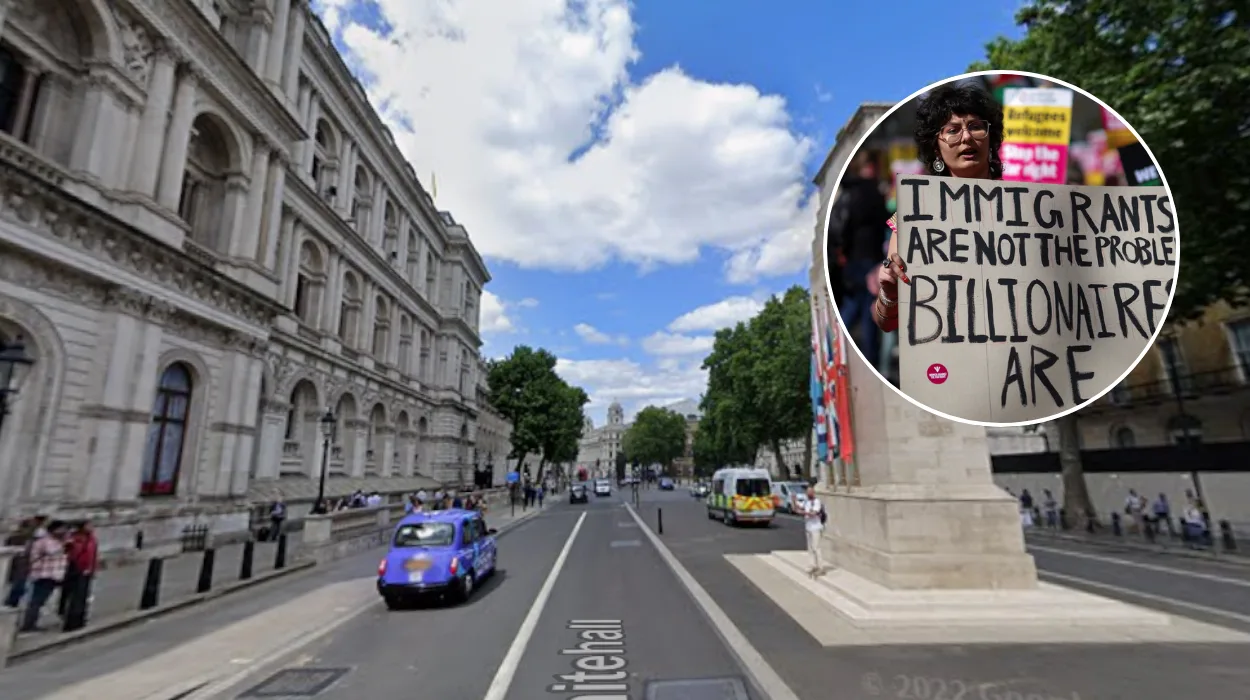
In contrast, officers under Commissioner Mark Rowley approved the “Unite the West” march organised by far-right anti-Islam figure Tommy Robinson, allowing it through key areas including Whitehall and the parliamentary district – described by critics as London’s “political heart”.
“It appears the Metropolitan Police have handed over the political heart of London to a march of hate, while denying the Palestine movement a route it formally requested,”
the Palestine Coalition stated.
Why Did Police Refuse to Accept the Protest Letter?
On 15 April 2026, a delegation led by Labour MP John McDonnell attempted to deliver a letter of protest to New Scotland Yard, but was barred from entering the building, as documented by Amer Sultan of The New Arab.
The letter, signed by 32 MPs and peers from both Houses of Parliament, 180 public figures from political and professional backgrounds, human rights organisations, civil society groups, and trade unions, expressed being “shocked and dismayed” by the ban.
As reported by The New Arab, the signatories criticised the police for granting
“London political space to a hate march called by Tommy Robinson”
while blocking the Nakba commemoration, urging a reversal and accusing the force of favouring the far right over Palestine supporters. Commissioner Rowley’s office refused to accept the letter, escalating the dispute.
What Role Does London Mayor Sadiq Khan Play in This Dispute?
The Palestine Coalition directly called on Sadiq Khan to step in, arguing his role “includes overseeing the Metropolitan Police and determining its strategic direction”. However, as covered by The New Arab on 16 April 2026, a spokesperson for Khan distanced the mayor from the matter, telling the outlet: policing of protests is
“an operational matter for the Metropolitan Police”.
The spokesperson emphasised that Khan supports the right to protest, but “it must be lawful, peaceful and safe”, noting police “routinely use provisions of the Public Order Act” for such decisions. This stance came after pro-Palestine organisers highlighted the apparent double standard in permitting the far-right demonstration.
How Has the Far-Right March Approval Fueled Accusations of Bias?
The approval of Tommy Robinson’s “Unite the West” event has been labelled a “hate march” by opponents, with the Palestine Coalition claiming it favours “the extreme right at the expense of Palestine“. The Canary reported on 15 April 2026 that the Met Police was “giving priority to a hate march called by racist thug ‘Tommy Robinson'” in opposition to the Nakba commemoration.
Signatories to the protest letter, as detailed by The New Arab, argued the decision undermines equality in protest rights, especially given the Nakba march’s historical significance. Police have not publicly commented on the disparity beyond operational discretion.
What Broader Crackdown on Pro-Palestine Activism Is Underway?
Rights groups warn of disproportionate targeting, as noted in The New Arab’s coverage: authorities have banned direct action group Palestine Action under terrorism legislation, with hundreds of arrests at related protests. Campaigners argue such measures
“risk curbing freedom of expression and assembly”,
contrasting treatment of pro-Palestinian activism with other movements.
Previous Nakba Day events, like the 2025 rally drawing tens of thousands to central London calling for a Gaza ceasefire, proceeded without similar blocks, highlighting evolving restrictions. Activists link the 1948 Nakba to ongoing displacements in Gaza and the occupied West Bank.
Who Are the Key Figures and Groups Involved?
- Sadiq Khan: London Mayor, urged to intervene but deferring to police.
- Mark Rowley: Metropolitan Police Commissioner, overseeing permit decisions.
- Tommy Robinson: Far-right leader behind the approved march.
- John McDonnell: Labour MP leading the letter delegation.
- Palestine Coalition: Organisers of the Nakba march.
- Signatories include 32 MPs/peers and 180 figures.
What Happens Next in the Nakba March Dispute?
As of 18 April 2026, no reversal has been announced, with the Palestine Coalition pressing Khan amid stalled dialogue. Police maintain the ban under Public Order Act powers, while pro-Palestine groups vow to challenge perceived bias. The incident coincides with the Anti-Crime and Policing Bill, raising further scrutiny on protest regulations.
The New Arab’s reporting underscores ongoing tensions, with Khan dodging direct involvement. Social media, including posts from @The_NewArab and Palestine Solidarity UK, amplifies calls for fairness.