Key Points
- London’s Metropolitan Police (Met Police) won a High Court legal challenge on Tuesday, ruling their use of live facial recognition (LFR) does not breach human rights or privacy laws.
- The challenge was brought by anti-knife crime activist Shaun Thompson, misidentified and detained in 2024, and Silkie Carlo, director of Big Brother Watch.
- Court found “risk and potential scope for discrimination on grounds of race was no more than faintly asserted” and no human rights breaches occurred.
- Met Police Commissioner Sir Mark Rowley called it a “significant and important victory for public safety,” noting LFR is lawful with strong safeguards.
- Since early 2024, LFR helped arrest over 2,100 people, including more than 100 sex offenders; last year, it scanned 3 million faces with 12 false alerts, none leading to arrests.
- Around 80% of Londoners support LFR, per Rowley; he criticised campaign groups opposing a tool that catches paedophiles, rapists, and violent criminals.
- Met Police uses NEC’s Neoface algorithm; Essex Police plans Corsight’s.
- Thompson plans to appeal, calling LFR “stop and search on steroids”; Big Brother Watch says the fight continues.
- Challengers argued LFR breaches European Convention on Human Rights (ECHR) privacy, free expression, and assembly rights due to broad police discretion and chilling effect on protests.
- Concerns over permanent LFR in ethnic minority areas and biometric data storage.
- Backed by UK Equality and Human Rights Commission (EHRC).
- Met Police: LFR spots undetected criminals with minimal privacy invasion; data auto-deletes non-watchlist matches.
- UK-wide: Home Office adding 40 LFR vans in January; Thames Valley Police faces lawsuit from Alvi Choudhury, misidentified as burglar.
- UK government consulting on LFR guidance; ICO seeks clearer biometric rules.
- Separate Met initiative: Piloting tech for retailers to submit CCTV and reports for retrospective facial recognition against shoplifting.
- Pilot in central London and Lewisham since January; 21.4% solve rate vs previous 14%; Mayor Sadiq Khan praises it as a “game changer.”
- Retailers submit 20% of cases with CCTV; 80% suspect identification when footage available.
London (The Londoner News) April 22, 2026 – The Metropolitan Police has secured a landmark High Court victory affirming the legality of its live facial recognition (LFR) deployment, dismissing claims of human rights violations. The ruling allows continued use of the technology amid rising debates over privacy and public safety in the capital.
- Key Points
- What Was the High Court Ruling on Met Police’s Live Facial Recognition?
- Who Brought the Legal Challenge and Why?
- How Effective Has Met Police’s LFR Proven in Practice?
- What Are the Broader UK Developments in Facial Recognition Use?
- How Is Met Police Tackling Shoplifting with Facial Recognition?
What Was the High Court Ruling on Met Police’s Live Facial Recognition?
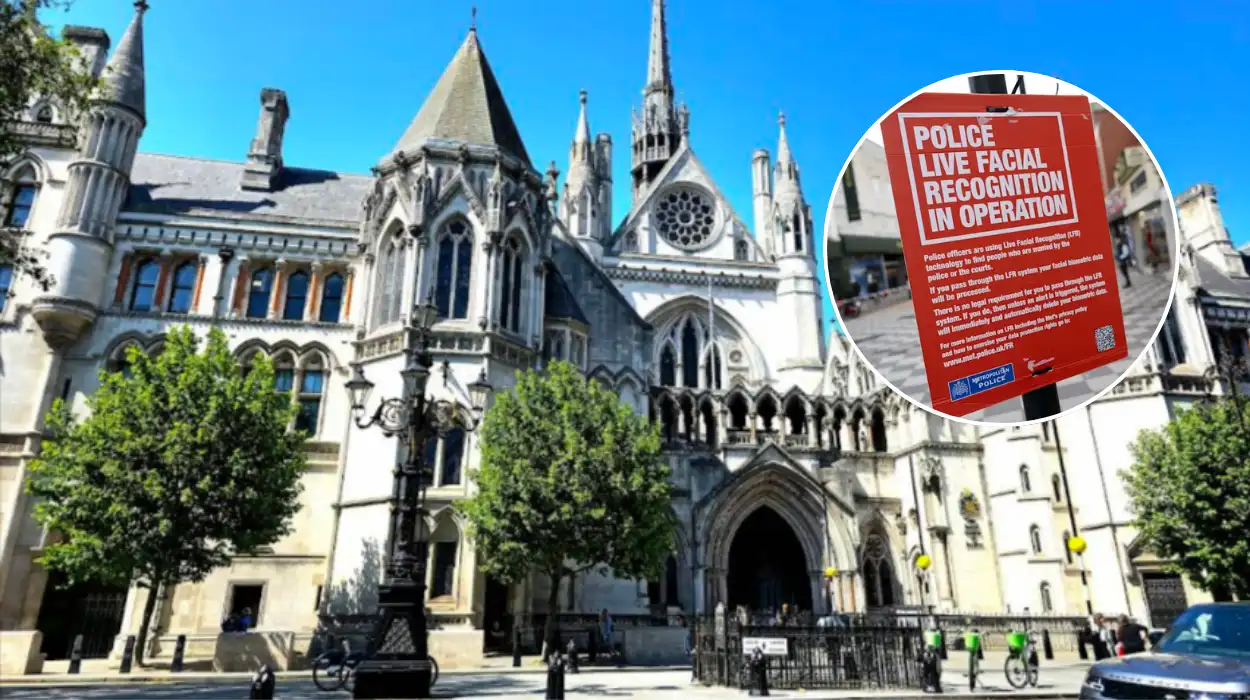
The High Court in London ruled on Tuesday that the Met Police’s LFR use complies with human rights and privacy laws. As reported across multiple outlets including BBC News, the court stated the
“risk and potential scope for discrimination on grounds of race was no more than faintly asserted,”
rejecting arguments from claimants Shaun Thompson and Silkie Carlo that their rights under the European Convention on Human Rights (ECHR) were breached.
Met Police Commissioner Sir Mark Rowley hailed the decision in an official statement:
“This legal judgment is a significant and important victory for public safety. The court has been clear: our use of Live Facial Recognition is lawful and supported by strong safeguards.”
He emphasised public backing, noting around 80 percent of Londoners support LFR.
The force uses NEC’s Neoface algorithm for real-time scanning in public spaces. Essex Police, meanwhile, plans to adopt Corsight’s system, signaling broader UK adoption.
Who Brought the Legal Challenge and Why?
Anti-knife crime community worker Shaun Thompson launched the challenge after LFR misidentified him in 2024, leading to his detention despite compliant behaviour. Joined by Silkie Carlo, director of digital rights group Big Brother Watch, Thompson recounted:
“No one should be treated like a criminal due to a computer error. I was compliant with the police but my bank cards and passport weren’t enough to convince the police the facial recognition tech was wrong.”
Their legal team, as covered by BBC reporters, argued LFR infringes ECHR Articles on privacy, free expression, and assembly. They highlighted officers’ “excessively broad” discretion, creating a “chilling effect” on protests. Additional concerns included permanent LFR installations capturing biometric data from all Londoners, with uneven deployment in ethnic minority neighbourhoods. The UK Equality and Human Rights Commission (EHRC) backed the case.
Thompson has vowed to appeal, branding LFR “stop and search on steroids.” Big Brother Watch insists “the fight against live facial recognition mass surveillance is not over.”
How Effective Has Met Police’s LFR Proven in Practice?
Met Police data shows LFR’s impact: since early 2024, it aided over 2,100 arrests, including more than 100 sex offenders. Last year, cameras scanned over 3 million faces, yielding 12 false alerts—none resulting in arrests. The force maintains data from non-watchlist individuals auto-deletes, ensuring “minimal” privacy invasions while spotting otherwise undetected criminals.
Rowley criticised opponents:
“A small number of campaign groups continue to argue that police should be prevented from using a proven tool that helps us catch paedophiles, rapists, violent criminals and those wanted by the courts.”
What Are the Broader UK Developments in Facial Recognition Use?
Police forces nationwide are expanding LFR. In January, the UK Home Office announced 40 new LFR vans as part of policing reforms. However, false matches persist: 26-year-old software engineer Alvi Choudhury plans to sue Thames Valley Police after misidentification as a burglar.
The government is consulting on LFR guidance for forces. The Information Commissioner’s Office (ICO) advocates clearer rules for biometrics, building on data protection laws.
How Is Met Police Tackling Shoplifting with Facial Recognition?
In a parallel initiative, Met Police is piloting technology for retailers to submit reports and CCTV instantly, enabling retrospective facial recognition to identify repeat shoplifters. Testing in central London and Lewisham since January has boosted solve rates to 21.4 percent (arrest, charge, or conviction), up from 14 percent.
Mayor Sadiq Khan endorsed it:
“Advances in technology are a real game changer – allowing retailers and shop staff to report shoplifting incidents remotely using digital platforms and send evidence such as CCTV footage in real-time to help police identify culprits, make arrests, and secure prosecutions.”
Retailers currently report only 20 percent of shoplifting with CCTV; where footage exists, officers identify 80 percent of suspects via crime database matches. This aims to curb rising retail crime.
The High Court victory bolsters Met Police confidence amid scrutiny. While privacy advocates vow further action, operational successes and public support underscore LFR’s entrenched role in modern policing. As UK forces scale up, balancing technology with rights remains pivotal.