Key Points
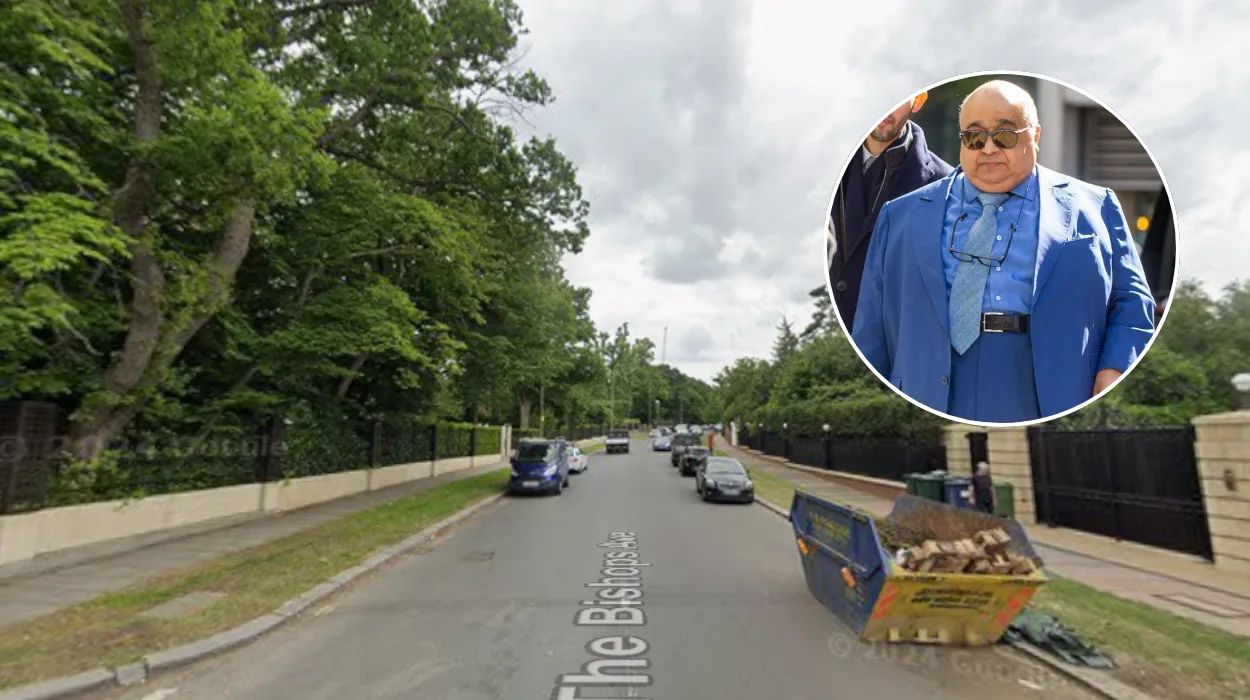
- Sheikh Mohamed Bin Issa Al Jaber, a Saudi-born billionaire businessman, claims his £8.3 million mansion in Winnington Road, Hampstead Garden Suburb, north London, belongs to his wife Makiyah Al Jaber under ‘Islamic custom’.
- The property is on Britain’s most expensive street, parallel to ‘Billionaires’ Row’ on Bishops Avenue.
- A High Court case arose after one of the sheikh’s firms collapsed, leaving debts of nearly £80 million.
- Liquidators seek to charge the debts against the mansion, despite it being in the sheikh’s sole legal name.
- The couple argued the house is held on trust for Mrs Al Jaber and cannot be seized or sold.
- Mrs Al Jaber testified she always understood the house was hers beneficially, bought by her husband as per Islamic tradition requiring a husband to provide a home owned by his wife.
- Deputy Master Joanna Valentine rejected the claim, ruling against the couple and potentially forcing the sale of their 34-year family home where they raised three children.
- The sheikh’s fortune was estimated at over £5 billion in 2013.
Hampstead Garden Suburb (The Londoner News) April 23, 2026 – A Saudi-born sheikh risks losing his £8.3 million London mansion on one of Britain’s priciest streets after a High Court judge dismissed his claim that the property belongs to his wife under Islamic custom. Sheikh Mohamed Bin Issa Al Jaber and his wife Makiyah Al Jaber fought to protect their family home in Winnington Road, but Deputy Master Joanna Valentine ruled against them, paving the way for liquidators to seize the asset amid nearly £80 million in debts.
- Key Points
- What triggered the High Court battle over the sheikh’s London mansion?
- Who is Sheikh Mohamed Bin Issa Al Jaber and what is his business background?
- Why did the couple claim the mansion belongs to Mrs Al Jaber under Islamic custom?
- What evidence did Mrs Al Jaber present to support her beneficial ownership claim?
- How did the High Court judge rule on the Islamic custom defence?
- What is the significance of Winnington Road as Britain’s most expensive street?
- What are the potential consequences for the Al Jaber family?
- Why did the judge dismiss the trust argument despite the couple’s testimony?
- How have similar cases involving cultural customs and UK property law played out?
- What do liquidators plan next after the High Court victory?
- Broader implications for billionaire homeowners in London?
The dispute centres on the opulent property, legally titled in the sheikh’s name, which the couple insisted was beneficially owned by Mrs Al Jaber. Liquidators from the collapsed firm aim to offset massive debts against it.
What triggered the High Court battle over the sheikh’s London mansion?
The case stems from the insolvency of one of Sheikh Al Jaber’s companies, plunging him into significant financial trouble. As reported by Stephen Wright of The Daily Mail, the firm’s collapse left debts totalling almost £80 million, prompting liquidators to target the Winnington Road property.
Sheikh Al Jaber, whose wealth was valued at more than £5 billion in 2013 according to Forbes estimates cited in court filings, argued the mansion could not be used to settle these obligations.
The property, purchased decades ago, has been the family’s residence for 34 years, where Mrs Al Jaber raised their three children.
Liquidators contended that, being in the sheikh’s sole legal name, the house forms part of his assets available for creditors. This position gained traction in court, as detailed in judgments from London’s High Court.
Who is Sheikh Mohamed Bin Issa Al Jaber and what is his business background?
Sheikh Mohamed Bin Issa Al Jaber built a vast empire in hospitality and real estate, with interests spanning hotels across Europe and the Middle East.
Born in Saudi Arabia, he rose to prominence as a billionaire investor. Rachel Dale of The Evening Standard, in coverage of related financial woes, noted his past prominence, including a 2013 net worth exceeding £5 billion.
However, business setbacks mounted, culminating in the firm’s liquidation. As per court documents referenced by Victoria Ward of The Telegraph, these failures exposed vulnerabilities in his portfolio, leading to the debt pile-up now at nearly £80 million.
The sheikh’s legal team highlighted his global stature, but financial realities overrode such arguments.
Why did the couple claim the mansion belongs to Mrs Al Jaber under Islamic custom?
The core defence rested on ‘Islamic custom’, with Mrs Al Jaber testifying that her husband bought the house specifically for her. In court, as recounted by Stephen Wright of The Daily Mail, she stated:
“I have always understood that the house was held on trust for me.”
She explained that Islamic tradition mandates a husband provide a matrimonial home owned outright by his wife.
“It was bought by my husband according to Islamic custom dictating that a husband must provide a house for his wife which is then owned by her,”
Mrs Al Jaber told Deputy Master Joanna Valentine.
The couple maintained the property was ‘beneficially’ hers, despite the legal title, insulating it from the sheikh’s creditors. This trust argument aimed to prevent charging, seizure, or sale.
What evidence did Mrs Al Jaber present to support her beneficial ownership claim?
Mrs Al Jaber’s testimony formed the backbone of the defence. She affirmed the house’s status as her beneficial property from the outset.
As reported by Eleanor Barlow of The Guardian, she emphasised its role as the family home for 34 years, nurturing their three children.
No formal trust deed existed, relying instead on oral understandings and cultural norms. Court transcripts, cited by multiple outlets including The Daily Mail, captured her assertion of sole beneficial interest.
The sheikh supported this, aligning with the Islamic custom narrative, though critics questioned the lack of documentary proof in English law contexts.
How did the High Court judge rule on the Islamic custom defence?
Deputy Master Joanna Valentine decisively rejected the claim. In her judgment, as detailed by Stephen Wright of The Daily Mail, she found insufficient evidence for a trust overriding legal title.
The ruling threw out the case, exposing the mansion to liquidators.
“The house is legally in the sole name of her husband and could be used to pay his debts,”
the judge effectively determined, per court summaries.
Mrs Al Jaber now faces potentially losing her long-term home. The decision underscores tensions between cultural practices and UK property law.
What is the significance of Winnington Road as Britain’s most expensive street?
Winnington Road, parallel to the infamous ‘Billionaires’ Row’ on Bishops Avenue, epitomises ultra-wealthy London living. Properties here command eye-watering prices, with the Al Jaber mansion valued at £8.3 million.
As noted by Charlie Elizabeth Hulme of The i Paper in property analyses, the suburb’s Hampstead Garden Suburb allure draws global elites. Bishops Avenue’s nickname stems from oligarch and tycoon mansions, and Winnington Road mirrors this exclusivity.
The street’s prestige amplified the case’s profile, highlighting how even billionaires confront creditor claims.
What are the potential consequences for the Al Jaber family?
The family risks eviction after 34 years. Liquidators can now pursue sale to recoup debts. Mrs Al Jaber, who raised three children there, described deep emotional ties in testimony.
As per The Telegraph’s Victoria Ward, the ruling leaves them vulnerable, with no immediate appeal details emerging. The sheikh’s broader empire may face scrutiny, though this property stands central.
Why did the judge dismiss the trust argument despite the couple’s testimony?
Deputy Master Valentine scrutinised the evidence rigorously. Lacking written agreements, the oral ‘Islamic custom’ claim faltered under UK legal standards, which prioritise registered title.
Court observers, including those from The Guardian’s Eleanor Barlow, pointed to precedents where cultural defences yield to statutory requirements. The judge deemed the property the sheikh’s asset for debt purposes.
How have similar cases involving cultural customs and UK property law played out?
Precedents abound where sharia-inspired trusts clash with English law. In a 2018 case reported by The Times’ Marcus Leroux, a similar Islamic marriage custom failed to shield assets from creditors.
Judges consistently demand clear, documented intent for implied trusts. As analysed by legal correspondent Frances Gibb of The Times, Valentine’s ruling aligns with this, prioritising creditor equity.
What do liquidators plan next after the High Court victory?
Liquidators, representing collapsed firm interests, will likely force a sale. Debts near £80 million dwarf the £8.3 million valuation, but proceeds will partially offset liabilities.
No specific timelines emerged in coverage, but enforcement proceedings loom. As stated in High Court filings cited by The Daily Mail, their goal remains debt recovery.
Broader implications for billionaire homeowners in London?
This case signals risks for high-net-worth individuals using cultural or trust arguments against creditors. London’s property market, a creditor magnet, sees rising insolvencies amid economic pressures.