Key Points
- Jung Festival, billed as London’s largest Korean food festival, took place from May 1 to 4, 2026, at Canopy Market near King’s Cross, drawing overwhelming crowds and long queues.
- The event was co-organised by Korean cultural platform Market Root, founded by HyeonJu Kim and SooJin Yang, and food content creator Rollin Lee (@rollinjoint with over 200,000 Instagram followers).
- Around 30 vendors participated, including 20 food and dessert traders like Chickenhaus, Hoho London, Hongdae Pocha, Cheemc, and Kiwa, plus 10 independent packaged food brands such as Jongga and Bibigo.
- Dishes featured everyday Korean eats like Korean fried chicken, hotteok pancakes, fish stews, grilled meats, gimbap, bulgogi, and desserts including kkwabaegi twisted doughnuts, alongside niche offerings.
- The festival focused on authenticity amid the K-wave boom, with vendors negotiating Korean food presentation for Londoners, sourcing premium ingredients like gochugaru from Korea.
- Notable vendors included B.Road London by pastry chef Hwang Goong-yeon (also at Michelin-starred Sketch), who described Korean baking as experimental and rooted in memory; and a stall by Go and wife Indee Katar offering halal chicken, retro school uniforms, and traditional games like ppopgi.
- Entry was free, emphasising community and the Korean concept of ‘jeong’ (emotional bond through shared food), aiming to go beyond trend-led dining to showcase unexplored Korean cuisine.
- Pre-event hype positioned it as London’s first major Korean food festival, reflecting rising Korean culinary popularity amid K-pop, Squid Game, and new restaurants like Miga and Calong.
London (The Londoner News) May 4, 2026 – Jung Festival, touted as London’s largest Korean food event to date, concluded its debut run over the May bank holiday weekend amid massive crowds that tested its promise of authentic Korean cuisine in the surging K-wave era. Held at Canopy Market near King’s Cross from May 1 to 4, the free-entry festival featured around 30 vendors offering a spectrum of Korean dishes, from street food staples to niche treats, organised by Market Root and influencer Rollin Lee. Attendees faced long queues, highlighting the event’s instant appeal amid London’s growing fascination with Korean culture.
- Key Points
- What Was Jung Festival and Who Organised It?
- When and Where Did the Festival Take Place?
- Which Vendors and Dishes Featured at the Event?
- How Did Vendors Ensure Authenticity?
- What Sparked London’s Korean Food Boom?
- Why Did the Festival Draw Such Crowds?
- What Challenges Did It Face?
- What’s Next for Korean Food Events in London?
What Was Jung Festival and Who Organised It?
Jung Festival embodied the Korean concept of ‘jeong’, described as a sense of warmth, connection, and emotional bond formed through sharing food.
As reported by Jiji Ahn of The Korea Times, the event was co-organised by Market Root—a Korean cultural platform founded by cultural strategists HyeonJu Kim and SooJin Yang, known for six successful Korean creator markets in London—and Rollin Lee, the content creator behind @rollinjoint on Instagram with more than 200,000 followers.
The organisers stated,
“Some of you may have been wondering why we’re suddenly launching a Korean festival. We’re Market Root and we’ve been spotlighting Korean creators, their work and their brands here in London. Rooted in Korea yet open to the world, we wanted this time to celebrate Korean food culture together. So we’re partnering with Rollin, one of London’s leading food influencers, to bring it to life.”
This collaboration aimed to provide a deeper, immersive experience beyond mainstream hits like kimchi and bibimbap.
Eloise Feilden of Time Out London noted that the festival sought to “go beyond trend-led dining” and showcase “unexplored” Korean foods, featuring 30 stalls with gimbap, bulgogi, and desserts like kkwabaegi. Free entry at Canopy Market, West Handyside Canopy, King’s Cross, N1C 4BH, underscored its community focus.
When and Where Did the Festival Take Place?
The four-day event ran from Friday, May 1, to Monday, May 4, 2026—coinciding with the May bank holiday weekend—at Canopy Market near King’s Cross in London.
As detailed by Jiji Ahn of The Korea Times, it quickly drew
“overwhelming crowds and equally long queues,”
with hot food stalls, dessert teams, and sponsored brands like Jongga and Bibigo.
Pre-event coverage in London Post confirmed the venue as Canopy Market, West Handyside Canopy, London N1C 4BH, positioning it as a “city-wide moment” for Korean food and culture. Evening Standard and Time Out London echoed the dates and location, building anticipation for what was billed as London’s first major Korean food festival.
Which Vendors and Dishes Featured at the Event?
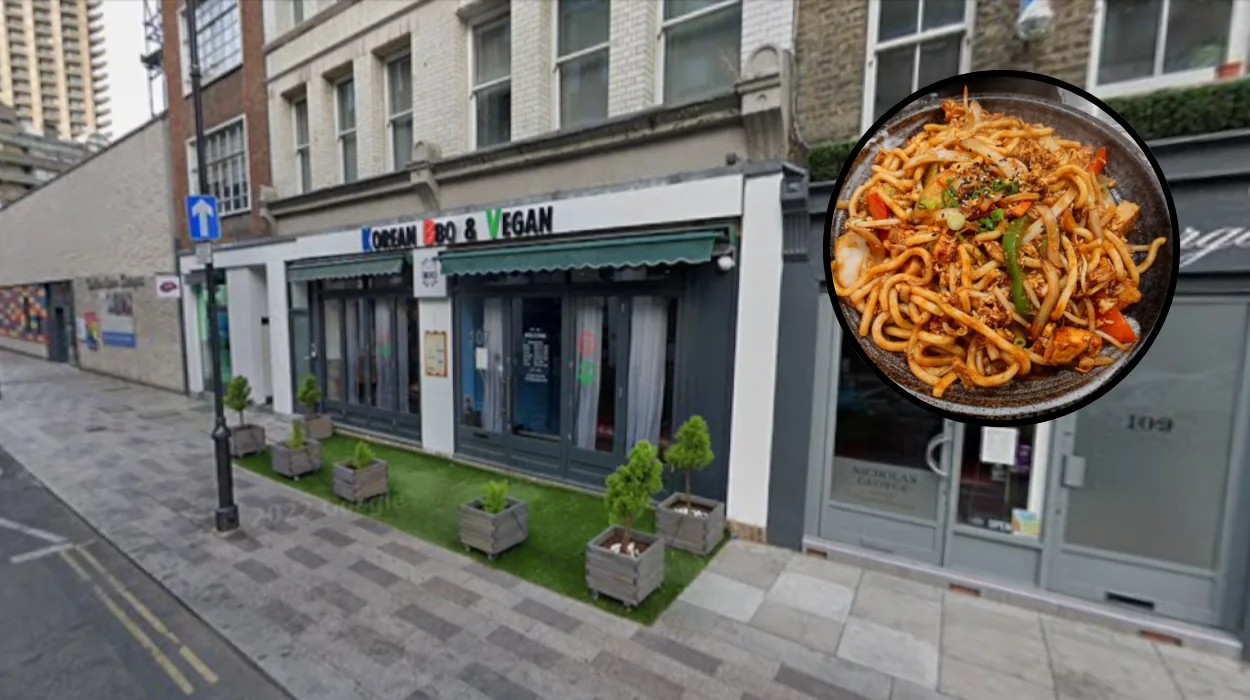
Around 20 food and dessert traders joined 10 independent packaged food brands, offering a broad palette of Korean flavours. Highlights included Chickenhaus for Korean fried chicken, Hoho London for hotteok pancakes, Hongdae Pocha bringing ’70s Korean pub vibes, Cheemc’s iconic fried chicken, and Kiwa’s street food. Other mentions encompassed fish stews, grilled meats, and contemporary interpretations.
As reported by Jiji Ahn of The Korea Times, the festival centred food as its primary lens, reflecting everyday Korean habits and niche dishes. Packaged goods from brands like Jongga and Bibigo allowed attendees to take home essentials for home cooking, such as for kimchi.
How Did Vendors Ensure Authenticity?
Authenticity emerged as a core theme, with vendors adapting Korean food for London while preserving roots. B.Road London pastry chef Hwang Goong-yeon, who also works at Michelin-starred Sketch, described Korean baking as “both experimental and deeply rooted in memory and emotion.” Her brand name—“B” for “to be,” and “Road” for forging her own path—reflected this.
Another stall, run by Go and his wife Indee Katar, sourced gochugaru directly from Korea due to poor UK quality, used halal chicken for local tastes, and evoked nostalgia with retro Korean school uniforms and ppopgi (Korean sugar candy) games. Jiji Ahn of The Korea Times highlighted how these choices negotiated presentation for Londoners amid K-wave pressures.
What Sparked London’s Korean Food Boom?
London’s Korean scene has evolved from New Malden staples like Bibimbap and Seoul Bakery to mainstream hits propelled by K-pop, Squid Game, and BTS. Evening Standard noted recent openings like Miga in Hackney and Calong in Stokey, plus Sollip’s 2022 Michelin star. Eloise Feilden of Time Out London credited TV like K-Pop Demon Hunters for fusion innovations.
London Post observed that beyond kimchi and Korean fried chicken, much of Korea’s rich culture remained unexplored— a gap Jung Festival aimed to fill. The event’s timing in 2026, post these cultural waves, amplified its impact.
Why Did the Festival Draw Such Crowds?
The promise of free entry, diverse vendors, and cultural immersion attracted hordes, as queues testified per The Korea Times. Its focus on ‘jeong’ fostered connection, while influencers like Rollin Lee drew his 210k followers. Pre-launch buzz from Evening Standard, Time Out, and London Post—framing it as a first-of-its-kind—built hype.
Organisers via Evening Standard emphasised celebrating “Korean food culture together,” resonating in a city embracing K-wave. Nostalgic and adaptive elements, like halal options and games, broadened appeal without diluting essence.
What Challenges Did It Face?
Long queues signalled success but strained logistics, as Jiji Ahn reported: “What was billed as London’s largest Korean food festival quickly drew overwhelming crowds.” Balancing authenticity with local adaptations—like halal chicken—posed ongoing negotiations for vendors.
In the K-wave era, pressure to represent Korea accurately amid commercialisation was evident, yet the festival’s vendor-driven approach mitigated this. No major incidents were reported across sources.
What’s Next for Korean Food Events in London?
Jung Festival’s debut sets a benchmark, with its website at jungfestival.uk hinting at future iterations. Rising demand, per all coverage, suggests expansions. Market Root’s track record and Rollin Lee’s influence position them for more.
As Korean spots like those in Michelin Guide proliferate, festivals like this could deepen exploration. Organisers’ vision—“rooted in Korea yet open to the world”—promises sustained growth.