
Key Points
- The story centres on heightened security concerns in London after a recent knife attack in north London and a linked incident in south-east London, with authorities treating the situation as part of a broader terror threat picture.
- The UK national terrorism threat level was raised from “substantial” to “severe,” meaning an attack is considered highly likely within the next six months.
- The Met Police said the north London stabbings were declared a terrorist incident, while detectives also examined whether a separate south-east London incident was linked to the same suspect.
- The government said the increase in threat level was driven by recent attacks on Jewish communities and a wider rise in Islamist and extreme right-wing terrorism threats.
- Additional police presence and armed officers were announced for London, alongside further security support for Jewish communities.
- The issue has attracted market and business coverage from Kalkine Media, which framed the security anxiety as part of a wider London and FTSE outlook story.
London (The Londoner News) May 4, 2026 – London’s latest security concern has been driven by a violent knife attack in north London and a separate south-east London incident that police said may be linked to the same suspect, prompting a wider community alert and renewed counter-terrorism attention. The authorities’ response has included a national threat-level increase, stronger visible policing in the capital, and fresh warnings to remain vigilant but not alarmed.
What happened in London?
According to the BBC, two Jewish men were stabbed in Golders Green, north London, on 29 April 2026, and police declared the incident a terrorist attack.
The victims, aged 76 and 34, were taken to hospital in stable condition, while counter-terrorism officers examined whether the assault targeted the Jewish community.
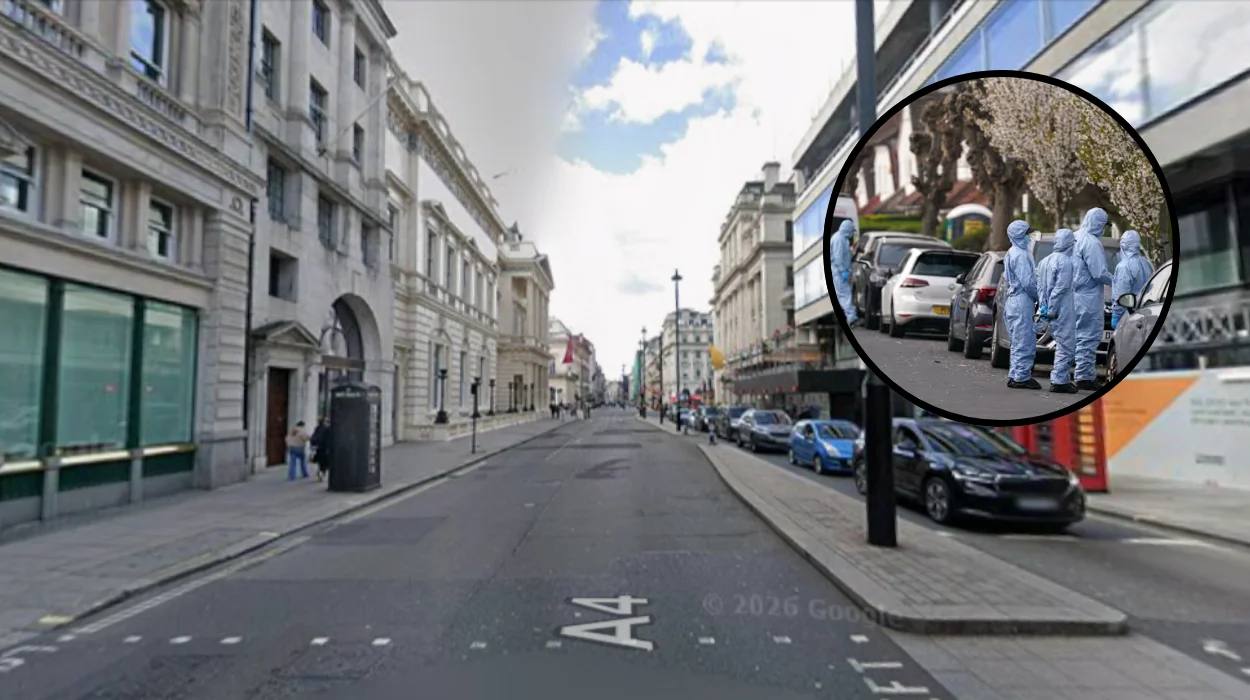
Police also said they were investigating a separate incident in south-east London on the same day, believed to be linked to the suspect. In that case, officers were called to Great Dover Street in Southwark at about 08:50, where a resident sustained minor injuries after an altercation with a man believed to have been carrying a knife.
Why was the threat level raised?
The UK’s Joint Terrorism Analysis Centre raised the national threat level from “substantial” to “severe” on 30 April 2026. That means an attack is judged highly likely within the next six months.
The government said the change followed the Golders Green attack and a rise in threats from Islamist and extreme right-wing extremism.
The BBC reported that the move was not based only on the Golders Green attack, but also on broader intelligence about the threat environment. Security minister Dan Jarvis said the UK had been facing a gradual increase in terrorist threats for some time.
Assistant Commissioner Laurence Taylor of the Metropolitan Police counter-terrorism command said there had been an uptick in casework across ideologies, with a particular rise in threats against Jewish and Israeli individuals and organisations in the UK.
How are authorities responding?
London Mayor Sir Sadiq Khan said additional police officers, including armed personnel, would be deployed across the city. The government also said it was investing an additional £25 million to protect Jewish communities, taking total support for the year to £58 million. That funding is intended to strengthen patrols and security at synagogues, schools and community centres.
Police Scotland said there was nothing to suggest a specific threat to Scotland, but urged the public to stay alert and report suspicious activity. The message from officials across the UK has been consistent: remain vigilant, but do not panic.
What did officials say about the Jewish community?
The BBC reported that Chief Rabbi Sir Ephraim Mirvis voiced deep concern and anguish within the Jewish community following the attack.
Government statements also linked the threat increase to a series of recent attacks on Jewish communities and an apparent rise in hostile activity.
The official line from ministers has been that the attack is part of a wider climate of fear, with some incidents connected to foreign-linked actors, though police have not established any link to the Golders Green case.
The security picture was therefore described as both domestic and international in nature, reflecting concerns about ideological violence and state-linked hostility.
How does this affect London business and markets?
Kalkine Media framed the story under a market-focused headline, suggesting that the security shock in south London and the wider capital could feed into sentiment around the FTSE outlook. While the core of the incident is public safety, the market angle reflects how political and security shocks can affect investor confidence, retail footfall and city-centre activity.
The article title itself,
“South London Attack Sparks Community Alert Across FTSE Outlook,”
places the incident within a broader business-news narrative rather than treating it only as a crime report. That framing suggests the commercial implications are part of the news value, even if the most urgent issue remains public protection.
Who is saying what?
As reported by BBC journalists covering the live incident, police said the north London stabbings were treated as terrorism and a related south-east London incident was being examined. As reported by government officials in the Home Office and the Joint Terrorism Analysis Centre, the threat level increase was justified by the recent attack and wider extremist threat trends.
As reported by Security Minister Dan Jarvis, the escalation was not solely because of one incident but because of a broader pattern of threat activity.
As reported by Assistant Commissioner Laurence Taylor, the Met is seeing increased casework across ideologies and a specific rise in threats to Jewish and Israeli communities.
What happens next?
The immediate next step is continued counter-terrorism investigation into the Golders Green attack and any possible links to the south-east London incident. Authorities are also expected to maintain a heightened security posture in London, particularly around Jewish sites and other sensitive locations.
For the wider public, the message from officials is simple: stay alert, report suspicious behaviour and expect an increased police presence. For markets and businesses, the story is likely to remain relevant insofar as it affects confidence, mobility and the mood around London’s economic outlook.