Key Points
- The Lewisham International Jazz Festival was an annual, star-packed musical event that ran from 1983 to 1990 in downtown Catford, South London.
- Organised and funded by the Lewisham Borough Council’s entertainment and arts department, the festival transformed local government into a promoter of global jazz icons.
- Global legends such as Dave Brubeck, Freddie Hubbard, Art Blakey, Roberta Flack, Buddy Rich, Stephane Grappelli, Wynton Marsalis, and Lionel Hampton graced the local town hall stage.
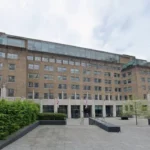
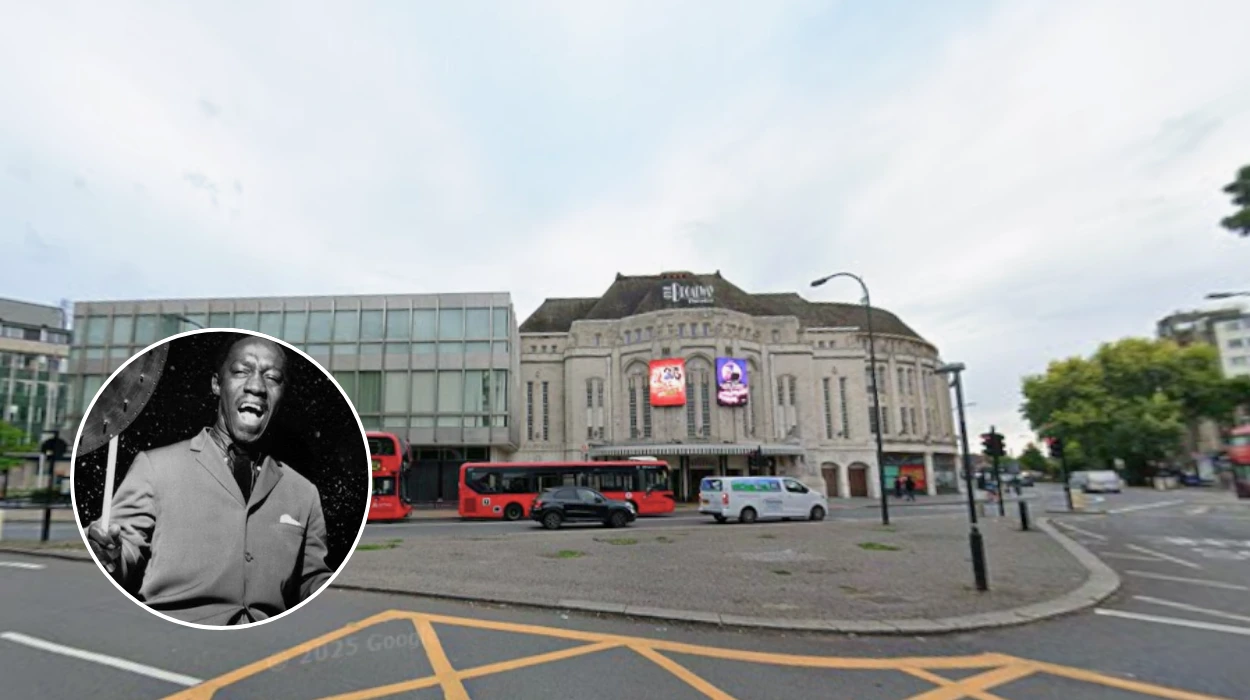
- The Grade II listed Art Deco 1932 Lewisham Town Hall (later known as the Broadway Theatre) served as the primary, highly acclaimed venue for these legendary performances.
- Exclusive agency partnerships, specifically with BPR (which included Peter King, Ronnie Scott, and the late Brian Theobald), allowed the council to bypass traditional municipal limitations and book world-renowned talent.
- The historical context reveals that the borough of Lewisham had a rich legacy of hosting live concerts, dating back to the 1950s with trad jazz, skiffle, and monumental pop acts.
Catford (The Londoner News) July 16, 2026 – A forgotten chapter in British music history has been brought to light, revealing how a South London municipal council transformed downtown Catford into a vibrant epicenter for international jazz legends. Between 1983 and 1990, the Lewisham International Jazz Festival brought world-renowned musicians, including Art Blakey, Buddy Rich, and Dave Brubeck, to perform at the local town hall, creating a celebrated, star-packed cultural phenomenon funded and managed entirely by local ratepayers.
- Key Points
- What Was the Lewisham International Jazz Festival?
- How Did a Local Council Book Global Jazz Superstars?
- Which Famous Musicians Performed at Lewisham Town Hall?
- What Happened During Wynton Marsalis’s Infamous Catford Show?
- What Were the Highlights of Art Blakey’s 1985 Performance?
- How Did Buddy Rich Captivate the Lewisham Audience?
- Why Was Lewisham Town Hall Such an Ideal Venue?
The festival was conceived and executed by the entertainment and arts department of the Lewisham Borough Council. Operating in association with elite music booking agents connected to Soho’s famous Ronnie Scott’s Jazz Club, local government staff successfully navigated the complex logistics of international music promotion. The performances were staged at the Lewisham Town Hall—an Art Deco, Grade II listed building erected in 1932, known to generations of locals as Catford Town Hall and later renamed the Broadway Theatre. This historic initiative not only established a bridge between municipal administration and avant-garde art, but it was also recorded by the BBC for international radio transcriptions, securing the borough’s place in global music history.
What Was the Lewisham International Jazz Festival?
As documented by veteran music journalist Chris Welch of Jazzwise, the Lewisham International Jazz Festival was a meticulously managed, star-packed cultural project that spanned the late 1980s. While global audiences are familiar with prestigious European and American music gatherings like the Newport Jazz Festival, the Montreux Jazz Festival, the North Sea Jazz Festival, or events in Antibes, the municipal effort in Catford remains a lesser-known but equally prestigious triumph.
According to Chris Welch’s retrospective report in Jazzwise, the festival arose from an unexpected decision by the local borough council to assume full responsibility for organising, funding, and promoting a major international music series. Throughout its run, the festival offered South London residents direct access to some of the most influential figures in modern jazz history. Welch notes that the atmosphere of these shows was distinct, with audiences experiencing world-class artistry in a venue where “school prize-giving ceremonies normally held sway.”
The local authority successfully managed the complex logistics required to secure these artists. By utilising standard booking networks, council staff coordinated with sound engineers, external promoters, and international booking agents. The resulting programmes transformed the suburban town hall into a nightly showcase of virtuosity, proving that high-calibre art could thrive outside of central London’s traditional West End venues.
How Did a Local Council Book Global Jazz Superstars?
The success of the Lewisham International Jazz Festival relied on strategic partnerships between public sector employees and established music industry professionals. As reported by Chris Welch of Jazzwise, a key component of the festival’s booking infrastructure was its relationship with BPR, a prominent talent agency consisting of saxophonist Peter King, club owner Ronnie Scott, and the late music agent Brian Theobald.
Through this agency, the council gained direct access to premier American jazz instrumentalists who were touring Europe. Music agent Ina Dittke, the widow of Brian Theobald, shared her first-hand recollections of the festival’s unique behind-the-scenes operations with Jazzwise. Reflecting on the unusual collaboration, Dittke stated:
“There was a lovely guy who worked for the Council who had a great sense of humour. He liaised with my late husband Brian, who was part of BPR with Peter King and Ronnie Scott. Brian was involved because he booked all their artists including Buddy Rich.”
This close relationship allowed Lewisham Borough Council to bypass the traditional bureaucratic barriers associated with municipal bookings. Consequently, the local authority could seamlessly integrate Catford dates into the European touring schedules of major American acts who were already contracted to perform at prestigious venues like Ronnie Scott’s Club in Soho.
Which Famous Musicians Performed at Lewisham Town Hall?
During the peak years of the festival between 1983 and 1990, downtown Catford hosted an extraordinary assembly of musical talent. Journalist Chris Welch of Jazzwise lists an array of legendary figures who appeared on the town hall stage, including:
- Dave Brubeck: The pioneering pianist and composer of “Take Five.”
- Freddie Hubbard: The virtuoso hard-bop trumpet master.
- Art Blakey & The Jazz Messengers: The defining engine of hard bop.
- Roberta Flack: The multi-Grammy-winning soul and jazz vocalist.
- Buddy Rich: Widely regarded as one of the most influential and powerful drummers of all time.
- Stephane Grappelli: The legendary French jazz violinist.
- Wynton Marsalis: The Pulitzer Prize-winning classical and jazz trumpeter.
- The McCoy Tyner Trio: Led by the seminal post-bop pianist.
- Chick Corea’s Elektric Band: Featuring the highly acclaimed fusion drummer Dave Weckl.
- Arturo Sandoval: The explosive Cuban virtuoso trumpeter.
In addition to these solo acts, the festival staged historic collaborative events. Chris Welch highlights “The Great Guitars” concert as a particularly grand occasion, which saw guitarists Charlie Byrd, Herb Ellis, and Barney Kessel strumming and picking together in pleasing harmony on the Lewisham stage.
What Happened During Wynton Marsalis’s Infamous Catford Show?
While the festival was highly successful, it was not entirely immune to the promotional mishaps of the era. As reported by Chris Welch of Jazzwise, one of the most unusual incidents occurred during a performance by trumpet genius Wynton Marsalis.
Marsalis, who had achieved global acclaim both as a former member of Art Blakey’s Jazz Messengers and for his work with Herbie Hancock, was touring Europe with his own quintet under the representation of agent Brian Theobald. His tour schedule included high-profile dates at Ronnie Scott’s Club, alongside a scheduled appearance at Lewisham Town Hall.
To support their star artist, Columbia Records bought a large block of premium seats. However, as music agent Ina Dittke recalled to Jazzwise, the corporate gesture backfired:
“Columbia Records supported him as a solo artist, and they booked a whole block of the best seats for their staff at Lewisham Town Hall. Of course, none of them had any interest in jazz and none of them showed up.”
This corporate absence left approximately 200 of the best seats in the front rows of the venue empty, complete with official “reserved” labels. Recognizing how bad this looked for both the performer and the audience, Brian Theobald took immediate action. Dittke explained:
“It looked ridiculous. So Brian asked all the people in the back rows to come forward and sit up front in the best seats!”
The quick intervention saved the atmosphere of the concert, turning a corporate oversight into a memorable, front-row experience for the local jazz enthusiasts in attendance.
What Were the Highlights of Art Blakey’s 1985 Performance?
For many attendees, the highlights of the festival were defined by the unexpected creative choices of its performers. Journalist Chris Welch of Jazzwise recalled his own experience attending a standout concert on November 1, 1985. The evening began with an acclaimed performance by a British group led by veteran drummer Tony Kinsey, setting a high standard for the headlining act.
The main event featured Art Blakey & The Jazz Messengers, a group renowned for their serious, hard-driving bebop and blues march style. The lineup on this occasion included the formidable saxophonists Jean Toussaint and Donald Harrison. However, rather than opening with a traditional jazz standard, the band surprised the audience with their choice of material.
As reported by Chris Welch in Jazzwise, the Jazz Messengers marched onto the Catford stage blowing the theme from the hit movie Ghostbusters, composed by Ray Parker Jr. Welch described the surreal yet thrilling transition:
“Well, it was like spending a Night in New York rather than ‘A Night In Tunisia’ – for a change.”
This playful departure from their classic repertoire delighted the audience, demonstrating the versatile and accessible spirit that defined the Lewisham festival.
Explore more South London News:
Bunsik Launches Korean Street Food Delivery Across South London – Brixton 2026
Thameslink and Southern Trains Blocked by Fire in East Croydon 2026
How Did Buddy Rich Captivate the Lewisham Audience?
A year after Art Blakey’s memorable show, the Buddy Rich Orchestra arrived at the Lewisham Town Hall, drawing a large crowd of local musicians and drum enthusiasts. Among the crowd was Jazzwise writer Chris Welch, who brought his nine-year-old son, Steven, to witness the legendary big band leader in action.
According to Welch’s personal account, the sheer volume and intensity of the big band did not initially phase his young son, who promptly fell asleep in the loud auditorium. However, Buddy Rich’s legendary showmanship eventually commanded the child’s full attention. Welch recalled:
“It wasn’t until Buddy launched into his big solo and began playing the sticks on his own teeth that Steven woke up. He listened, laughed loudly, and promptly fell asleep again.”
This performance showcased the unique showmanship that Buddy Rich brought to the Catford stage, leaving a lasting impression on both seasoned drum aficionados and young audience members alike.
Why Was Lewisham Town Hall Such an Ideal Venue?
The success of the Lewisham International Jazz Festival was deeply tied to the unique architectural and cultural history of its primary venue. Located on Catford Road, the Lewisham Town Hall was built in 1932 in a striking Art Deco style. The building’s magnificent auditorium provided excellent acoustics and an elegant atmosphere, earning it a Grade II listing for architectural significance.
Furthermore, the venue sat within a borough that already possessed a rich history of live entertainment. For decades, the local community had been served by iconic venues such as the nearby Lewisham Gaumont Theatre, which hosted performances by major figures like Lionel Hampton, Jack Parnell, and even The Beatles.
The Town Hall itself had been presenting live jazz since the mid-20th century. Writing for Jazzwise, Chris Welch recalled attending his very first live concert at the venue in the 1950s, witnessing Chris Barber’s traditional jazz band perform alongside Lonnie Donegan’s skiffle group at the peak of Donegan’s fame with “Rock Island Line.” This established cultural heritage made the venue a natural choice for the ambitious international festival launched by the council in the 1980s.
Ultimately, the Lewisham International Jazz Festival represents a unique golden era of municipal arts funding. By pairing local government resources with the expertise of Soho’s premier jazz figures, Lewisham Council successfully brought some of the world’s greatest musical minds to South London, leaving behind a rich legacy of world-class music in the heart of Catford.