
London offers one of the world’s richest concentrations of British cultural heritage. Over nearly two millennia, the city has evolved from the Roman settlement of Londinium into the capital of the United Kingdom, preserving landmarks, customs, cuisine, ceremonies, museums, markets, and public institutions that collectively represent British identity. Every district reflects a different chapter of national history, from medieval trade and Tudor governance to Victorian innovation and modern multicultural influences.
- What defines British culture in London?
- Which historic districts best preserve Britain’s cultural heritage?
- Why does Westminster represent the heart of British national identity?
- How do London’s museums preserve British history and culture?
- How has British food culture developed across London’s history?
- Which traditional markets showcase London’s historic way of life?
- Why are British traditions and royal ceremonies still important in London?
- How do London’s theatres and literary landmarks reflect British cultural achievement?
- How do historic pubs preserve British social traditions?
- How does London’s architecture reveal Britain’s historical development?
- Why does preserving British cultural heritage in London matter today?
- Frequently Asked Question
British culture in London extends beyond famous monuments. It includes constitutional traditions, literary heritage, ceremonial pageantry, religious architecture, historic public houses, traditional afternoon tea, regional cuisine, open markets, royal parks, museums, and neighbourhoods that continue to preserve centuries-old customs. These living traditions provide historical continuity while adapting to contemporary society.
For visitors, educators, historians, and genealogy researchers, London serves as an accessible archive where architecture, food, rituals, and public institutions remain embedded within everyday life. Exploring these places provides insight into Britain’s political development, artistic achievements, social evolution, and enduring traditions.
What defines British culture in London?
British culture in London combines constitutional history, royal traditions, historic architecture, literature, religion, cuisine, museums, public ceremonies, and everyday customs preserved across centuries. Together these elements reflect the political, social, artistic, and cultural development of Britain from Roman times to the present day.
British culture represents the customs, institutions, beliefs, artistic achievements, and daily practices that have shaped the United Kingdom. London became the country’s political and cultural centre following the Norman Conquest in 1066, although its origins extend back to the Roman foundation of Londinium around AD 47.
Throughout history, successive periods—including the medieval era, Tudor dynasty, Stuart monarchy, Georgian expansion, Victorian industrialisation, and twentieth-century reconstruction—added distinct layers to London’s cultural identity. Each period introduced new buildings, institutions, traditions, and artistic movements while preserving earlier foundations.
Today, London’s cultural landscape includes more than 190 museums, over 3,000 public parks and green spaces, numerous listed historic buildings, and four UNESCO World Heritage Sites. These preserved environments allow visitors to experience Britain’s historical evolution within a modern capital.
British culture also reflects constitutional continuity. Parliament, the monarchy, common law, ceremonial traditions, and established institutions remain central components of national identity. Public events such as the State Opening of Parliament, Trooping the Colour, and the Changing of the Guard demonstrate traditions maintained over centuries.
Which historic districts best preserve Britain’s cultural heritage?
Historic districts including Westminster, the City of London, Greenwich, Southwark, Covent Garden, Bloomsbury, and Notting Hill preserve different periods of British history through architecture, institutions, marketplaces, museums, churches, theatres, and residential streets that remain active cultural landscapes today.
Westminster represents Britain’s political and constitutional heart. Westminster Abbey has hosted every English and British coronation since William the Conqueror in 1066, while the nearby Palace of Westminster houses the UK Parliament. Government institutions surrounding Whitehall illustrate the development of constitutional monarchy and parliamentary democracy.
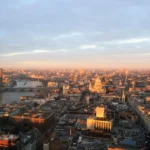
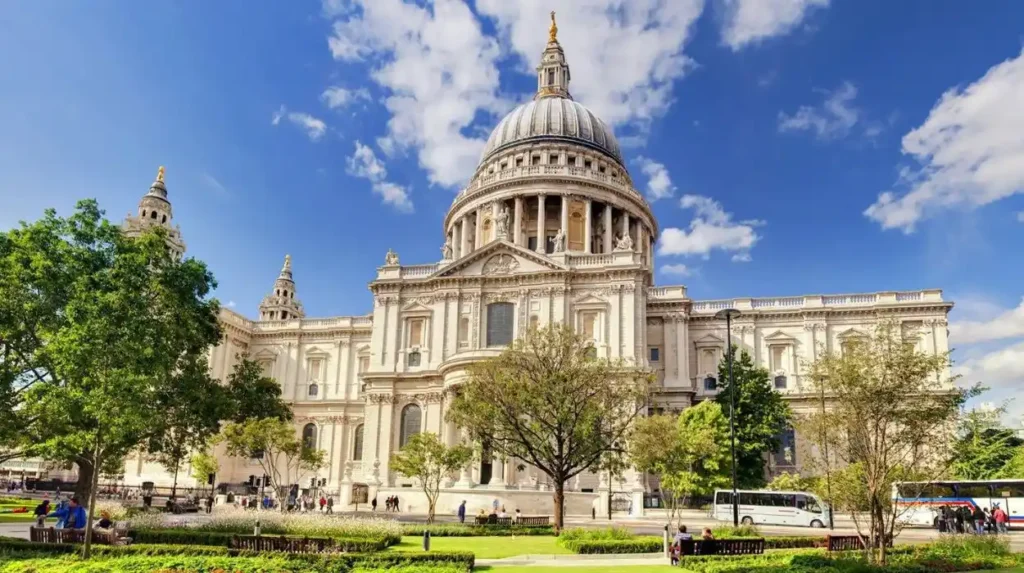
The City of London preserves London’s medieval commercial core. Despite extensive rebuilding after the Great Fire of 1666, medieval street patterns survive alongside landmarks including St Paul’s Cathedral, Guildhall, and historic livery halls. These institutions illustrate London’s emergence as a global financial centre.
Greenwich reflects Britain’s maritime heritage. The Royal Observatory established the Prime Meridian in 1884, while the Old Royal Naval College and National Maritime Museum document Britain’s naval expansion between the seventeenth and nineteenth centuries.
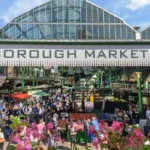
Southwark preserves London’s entertainment traditions. Shakespeare’s Globe reconstructs the Elizabethan theatre environment, while nearby Borough Market traces its commercial origins to at least the twelfth century.
Bloomsbury developed during the eighteenth and nineteenth centuries as an intellectual district. Institutions including the British Museum and University of London established the neighbourhood as a centre for scholarship, literature, and education.
Covent Garden evolved from a seventeenth-century fruit and vegetable market into one of London’s best-preserved cultural districts. Street performers, theatres, and historic market buildings continue traditions spanning several centuries.
To experience these historic districts in person today, consult our comprehensive [History of London’s Traditional Markets From Medieval Trading to Modern Food Culture] for itineraries and visiting parameters.
Why does Westminster represent the heart of British national identity?
Westminster embodies Britain’s constitutional history through Parliament, Westminster Abbey, Whitehall, royal ceremonies, and government institutions that have shaped national governance, religious life, monarchy, and democratic development for nearly one thousand years.
Westminster Abbey was consecrated in 1065 and remains one of Britain’s most significant religious buildings. Since 1066, every coronation except two has occurred within its Gothic interior. The Abbey also contains the tombs and memorials of monarchs, scientists, poets, military leaders, and politicians.
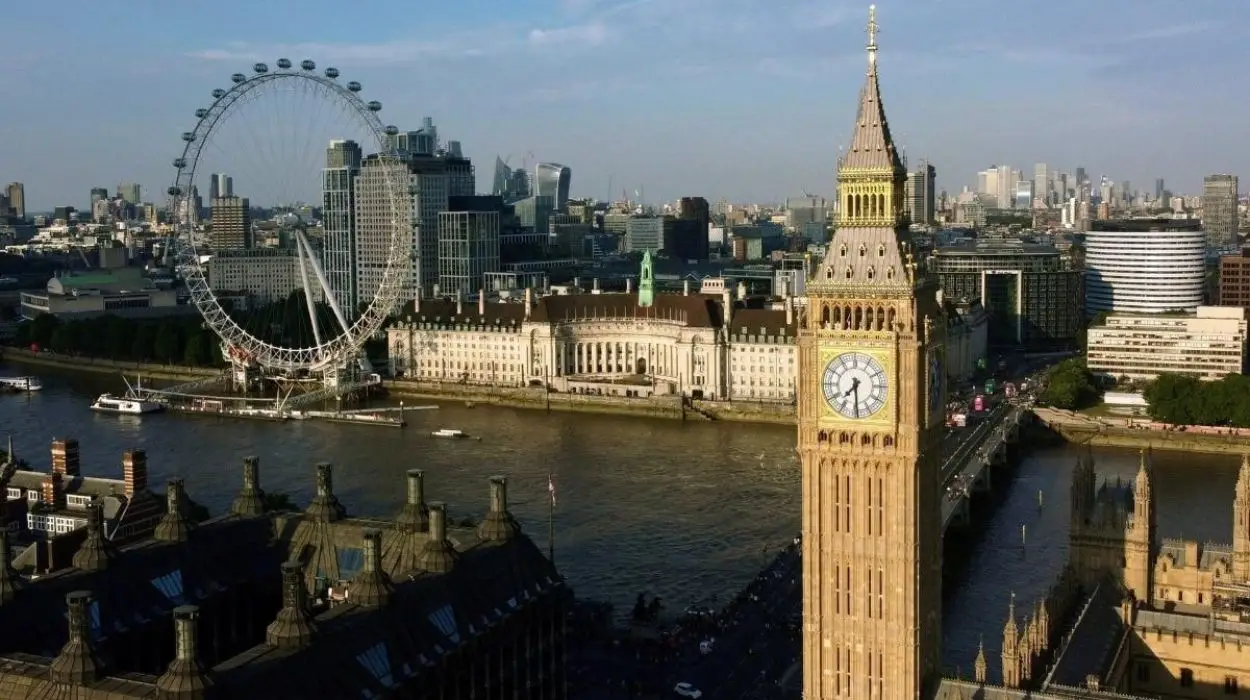
Adjacent to the Abbey, the Palace of Westminster became England’s principal royal residence before evolving into the permanent home of Parliament. Following the devastating fire of 1834, architects Charles Barry and Augustus Pugin designed the present Gothic Revival complex, completed largely during the nineteenth century.
Big Ben, officially the Great Bell within the Elizabeth Tower, became an internationally recognised symbol of British democracy and parliamentary government following its completion in 1859.
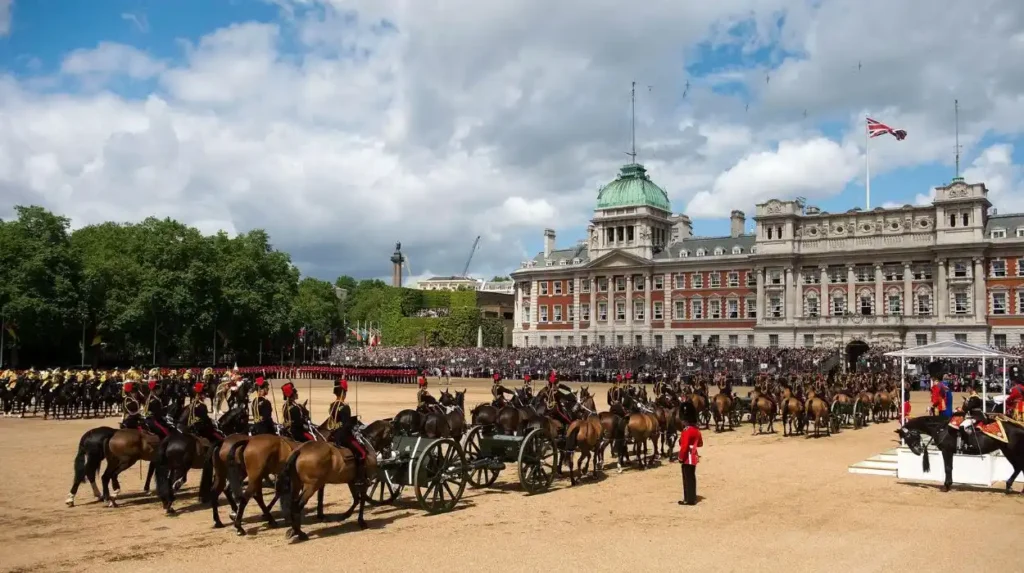
Whitehall contains government departments whose origins extend back centuries. Horse Guards Parade continues to host ceremonial events, while Downing Street remains the official residence of the Prime Minister.
Together, these institutions demonstrate constitutional continuity rather than political revolution. Britain’s system developed gradually through Magna Carta (1215), the Bill of Rights (1689), parliamentary reform, and constitutional conventions that continue today.
How do London’s museums preserve British history and culture?
London’s museums preserve archaeological discoveries, royal collections, scientific achievements, military history, decorative arts, literature, and social history through carefully curated collections that document Britain’s development across thousands of years.
The British Museum, established by Act of Parliament in 1753, was the world’s first national public museum. Its collections include approximately eight million objects representing human civilisation across continents and historical periods.
The Museum of London documents the city’s evolution from prehistoric settlement through Roman occupation, medieval commerce, industrial expansion, wartime reconstruction, and modern urban development. Archaeological excavations continue to reveal new evidence of London’s past.
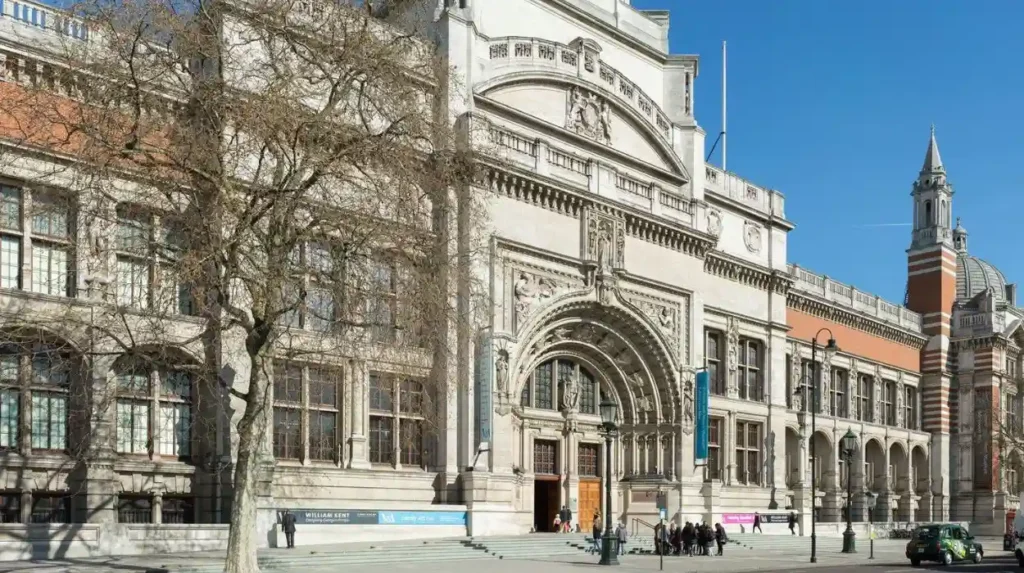
The Victoria and Albert Museum preserves Britain’s decorative arts and design history. Established following the Great Exhibition of 1851, it houses collections illustrating craftsmanship from medieval textiles to contemporary fashion.
The National Maritime Museum in Greenwich explains Britain’s naval dominance through maps, navigational instruments, ship models, paintings, and archival documents spanning several centuries.
The Imperial War Museum examines Britain’s military history through personal accounts, preserved vehicles, photographs, documents, and reconstructed environments covering conflicts from the First World War onward.
Collectively, these institutions safeguard millions of artefacts using modern conservation methods, climate-controlled storage, digitisation projects, and scholarly research that ensures long-term preservation.
How has British food culture developed across London’s history?
British food culture developed through agriculture, trade, empire, industrialisation, immigration, and regional traditions that introduced new ingredients while preserving longstanding recipes, markets, baking methods, and dining customs throughout London.
Traditional British cuisine originated from local agriculture. Bread, beef, lamb, cheese, root vegetables, oats, and seasonal produce formed the basis of medieval diets. Markets supplied urban populations while monasteries and guilds regulated food production.
The Tudor period introduced expanded international trade, bringing spices, citrus fruits, and sugar into Britain. During the eighteenth century, imperial trade further diversified available ingredients, particularly tea, coffee, chocolate, and imported produce.
Afternoon tea emerged during the 1840s, popularised by Anna Maria Russell, Duchess of Bedford. The custom combined tea with sandwiches, cakes, and pastries, becoming a defining feature of British social life.
Traditional dishes remain widely available throughout London. Fish and chips developed during the nineteenth century, while roast dinners, pies, puddings, full English breakfasts, and regional cheeses continue longstanding culinary traditions.
Historic food markets preserve commercial heritage alongside contemporary dining. Borough Market, Leadenhall Market, and Smithfield demonstrate London’s centuries-old relationship with food distribution, trade, and urban commerce.
Modern British cuisine also reflects immigration from across the Commonwealth and Europe. Contemporary London combines historic recipes with multicultural influences while maintaining recognisable national culinary traditions.
Which traditional markets showcase London’s historic way of life?
Historic markets including Borough Market, Leadenhall Market, Smithfield Market, Columbia Road Flower Market, and Portobello Road Market preserve commercial traditions that illustrate London’s economic, social, and cultural development across several centuries.
Markets historically served as centres of trade, communication, taxation, and community interaction. Medieval London regulated commercial activity through charters granted by monarchs and municipal authorities.
Borough Market traces documented trading activity to at least the twelfth century. Located south of London Bridge, it became one of England’s principal wholesale food markets before evolving into a celebrated destination for regional producers and artisan food businesses.
Leadenhall Market occupies a site used for commerce since the fourteenth century. Its Victorian iron-and-glass architecture reflects nineteenth-century engineering while preserving medieval trading traditions.
Smithfield Market specialised in livestock trading for hundreds of years. Although modern operations have changed significantly, the surrounding district retains historic buildings connected to London’s meat trade.
Portobello Road Market expanded during the nineteenth century and became internationally recognised for antiques during the twentieth century. Columbia Road Flower Market preserves London’s horticultural traditions through weekly trading that continues today.
These markets remain active public spaces where historic architecture and commercial traditions coexist with contemporary retail activity.
Why are British traditions and royal ceremonies still important in London?
Royal ceremonies, military pageantry, religious observances, civic traditions, and parliamentary rituals preserve constitutional continuity while strengthening public understanding of Britain’s historical institutions and national identity through carefully maintained ceremonial practices.
Ceremonial traditions connect present-day Britain with centuries of institutional history. Many rituals have evolved gradually while retaining core historical elements.
Changing the Guard at Buckingham Palace demonstrates military precision and ceremonial continuity. The King’s Guard protects royal residences while performing duties according to longstanding military protocols.
Trooping the Colour celebrates the sovereign’s official birthday through a military parade whose origins extend to seventeenth-century battlefield practices. Soldiers historically displayed regimental colours so troops could identify their units during combat.
The State Opening of Parliament combines constitutional symbolism with legislative procedure. The monarch formally opens each parliamentary session while delivering the government’s legislative programme.
The Lord Mayor’s Show, first recorded during the early thirteenth century, remains one of London’s oldest annual civic events. It celebrates the installation of the Lord Mayor of the City of London through a public procession.
Religious traditions continue through services at Westminster Abbey, St Paul’s Cathedral, and parish churches that maintain liturgical practices established across centuries.
How do London’s theatres and literary landmarks reflect British cultural achievement?
London’s theatres, libraries, publishing districts, and literary landmarks preserve Britain’s dramatic, poetic, and intellectual traditions through institutions associated with William Shakespeare, Charles Dickens, Virginia Woolf, Samuel Johnson, and numerous influential writers.
Theatre has remained central to British culture since the Elizabethan period. Shakespeare’s Globe reconstructs the original playhouse environment where audiences experienced many of William Shakespeare’s works during the late sixteenth and early seventeenth centuries.
The West End continues London’s theatrical tradition through dozens of historic venues presenting drama, musicals, and classical performances.
Dr Johnson’s House preserves the home where Samuel Johnson compiled his influential Dictionary of the English Language, published in 1755. The dictionary standardised English vocabulary and spelling during a formative period.
Bloomsbury became associated with writers including Virginia Woolf and the Bloomsbury Group, whose literary and artistic contributions influenced twentieth-century British culture.
Charles Dickens lived and worked in London during the nineteenth century, drawing inspiration from the city’s streets, institutions, and social conditions. His preserved residence offers insight into Victorian literary life.
The British Library safeguards more than 170 million items, including medieval manuscripts, early printed books, personal archives, and literary treasures documenting Britain’s intellectual heritage.
How do historic pubs preserve British social traditions?
Historic pubs preserve British hospitality, community interaction, local governance, brewing heritage, and architectural character through buildings that have served neighbourhoods as social gathering places for hundreds of years.
Public houses developed from medieval inns and alehouses that provided accommodation, meals, and locally brewed beverages for travellers and residents.
Many surviving London pubs occupy buildings dating from the seventeenth, eighteenth, and nineteenth centuries. Historic interiors frequently preserve timber panelling, fireplaces, decorative glass, carved bars, and traditional layouts.
Pubs historically functioned as informal centres for business meetings, political discussion, charitable societies, sporting clubs, and neighbourhood organisations. Local newspapers, notices, and community announcements often circulated through these establishments.
Traditional British pub culture also includes distinctive customs surrounding food and drink. Sunday roast meals, pies, local ales, and seasonal celebrations remain closely associated with public houses.
Several historic pubs maintain documented links to writers, politicians, artists, and scientists, illustrating their broader cultural significance beyond hospitality.
How does London’s architecture reveal Britain’s historical development?
London’s architecture records nearly two thousand years of British history through Roman remains, medieval churches, Tudor buildings, Georgian squares, Victorian engineering, Edwardian institutions, and carefully restored twentieth-century landmarks.
Roman London established the city’s first planned street network, defensive walls, and administrative buildings. Archaeological excavations continue to uncover fragments of these early structures beneath the modern city.
Medieval architecture survives through churches, guildhalls, and defensive remains despite destruction during the Great Fire of London in 1666.
The rebuilding programme directed by Sir Christopher Wren transformed London’s skyline. St Paul’s Cathedral became the defining architectural achievement of the English Baroque period.
Georgian London expanded westward through planned residential squares featuring symmetrical terraces and landscaped gardens that reflected Enlightenment urban planning principles.
Victorian architecture introduced railway stations, museums, markets, civic buildings, and engineering achievements including Tower Bridge. Industrial materials such as iron and steel enabled increasingly ambitious construction.
Following wartime damage during the Second World War, restoration programmes preserved historic landmarks while accommodating modern development. Conservation legislation now protects thousands of listed buildings throughout Greater London.
Why does preserving British cultural heritage in London matter today?
Preserving London’s cultural heritage protects historical evidence, strengthens national identity, supports education, encourages tourism, advances academic research, and ensures future generations understand Britain’s constitutional, artistic, architectural, and social development through authentic surviving places and traditions.
Historic preservation extends beyond protecting individual buildings. Conservation includes archives, landscapes, traditions, archaeological sites, ceremonial practices, museums, languages, and community memory.
Historic England lists more than 370,000 designated heritage assets across England, while London’s conservation areas preserve neighbourhood character through planning protections. UNESCO World Heritage designation further recognises internationally significant sites.
Academic researchers rely upon preserved archives, parish registers, census records, archaeological excavations, architectural surveys, and museum collections to reconstruct Britain’s past accurately. Genealogists similarly depend upon these historical records to trace family histories across generations.
Heritage tourism contributes substantially to London’s economy through museum visits, historic attractions, guided walks, theatres, markets, and cultural festivals. These activities support conservation funding while encouraging public engagement with history.
Modern preservation increasingly incorporates digital technologies. Three-dimensional scanning, archival digitisation, geographic information systems, and advanced conservation science improve documentation and protect fragile collections against environmental risks.
British culture continues evolving while remaining anchored in historical continuity. London’s preserved landmarks, institutions, customs, cuisine, literature, ceremonies, and public spaces demonstrate how a capital city can simultaneously embrace modern diversity and safeguard centuries of national heritage.
For historians, visitors, educators, students, and families, London remains the most comprehensive place to experience British culture through authentic historical settings. Every preserved building, ceremonial tradition, historic market, museum collection, and cultural institution contributes to an enduring narrative that spans nearly two thousand years and continues shaping Britain’s identity today.
Frequently Asked Question
What is the best place to experience authentic British culture in London?
Westminster is widely regarded as the best place to experience authentic British culture in London because it combines the country’s royal heritage, constitutional history, iconic landmarks, and ceremonial traditions. Visitors can explore Westminster Abbey, the Palace of Westminster, Buckingham Palace, and Whitehall while witnessing traditions such as the Changing of the Guard, making it the cultural and historical heart of Britain.