Greater London contains more than 170 accredited museums, ranging from internationally recognised national institutions to small, independent collections preserving neighbourhood history, industrial heritage, military records, medical discoveries, migration stories, and artistic innovation. While millions of visitors focus on major attractions in central London, many of the capital’s most distinctive museums remain outside the traditional tourist circuit. These institutions preserve original archives, historic buildings, archaeological discoveries, community collections, and specialist exhibitions that offer a deeper understanding of London’s development across nearly two millennia.
- Why should visitors explore museums beyond London’s main tourist attractions?
- Which museums best preserve London’s local history and community heritage?
- How do specialist museums reveal overlooked aspects of London’s history?
- What historic houses provide unique museum experiences across Greater London?
- How do industrial and transport museums explain London’s economic development?
- How do museums preserve London’s multicultural and migration history?
- What educational value do independent museums provide for researchers and families?
- How are London’s lesser-known museums preserving heritage for future generations?
- Why do museums beyond the tourist trail offer a deeper understanding of Greater London?
- Frequently Asked Question
Exploring museums beyond the established tourist trail reveals how ordinary Londoners lived, worked, worshipped, travelled, and shaped the city through successive historical periods. These museums provide essential resources for educators, historians, genealogy researchers, architecture enthusiasts, and cultural travellers seeking authentic historical experiences rather than crowded attractions.
Why should visitors explore museums beyond London’s main tourist attractions?
London’s lesser-known museums preserve original local history, specialised collections, historic buildings, and community archives that reveal overlooked aspects of the capital’s development. These institutions provide authentic cultural experiences, stronger educational value, quieter environments, and direct access to collections unavailable in larger national museums.
The British Museum, Natural History Museum, and Victoria and Albert Museum collectively attract tens of millions of visitors every year. Their global collections remain essential to understanding world history and culture. However, London’s smaller museums preserve stories that explain how individual communities contributed to the city’s growth from the Roman settlement of Londinium into one of the world’s largest metropolitan regions.
Many independent museums occupy historic buildings that form part of the exhibition itself. Visitors experience original Victorian workshops, Georgian houses, medieval structures, former almshouses, wartime bunkers, historic docks, and industrial sites alongside carefully preserved collections.
These museums also maintain specialist archives unavailable elsewhere. Family historians research parish records, occupational histories, immigration collections, and local government documents. Students access primary historical sources. Teachers use authentic artefacts to explain social history through tangible examples.
Unlike major attractions, smaller museums frequently collaborate directly with local heritage organisations, universities, archaeological societies, and conservation projects. Their exhibitions therefore reflect current historical research while preserving local identity.
To experience London’s wider heritage landscape beyond museum collections, consult our comprehensive [Evolution of London’s Art Scene From Historic Collections to Contemporary Creative Spaces] for itineraries and visiting parameters.
Which museums best preserve London’s local history and community heritage?
Several museums across Greater London document neighbourhood development through original archives, archaeological evidence, architecture, and community collections. These institutions explain how individual districts evolved through Roman occupation, medieval expansion, industrialisation, suburban growth, immigration, and twentieth-century urban transformation.
London developed as a collection of independent villages, boroughs, market towns, dock communities, and industrial districts before becoming today’s metropolitan authority. Local museums preserve these individual identities.
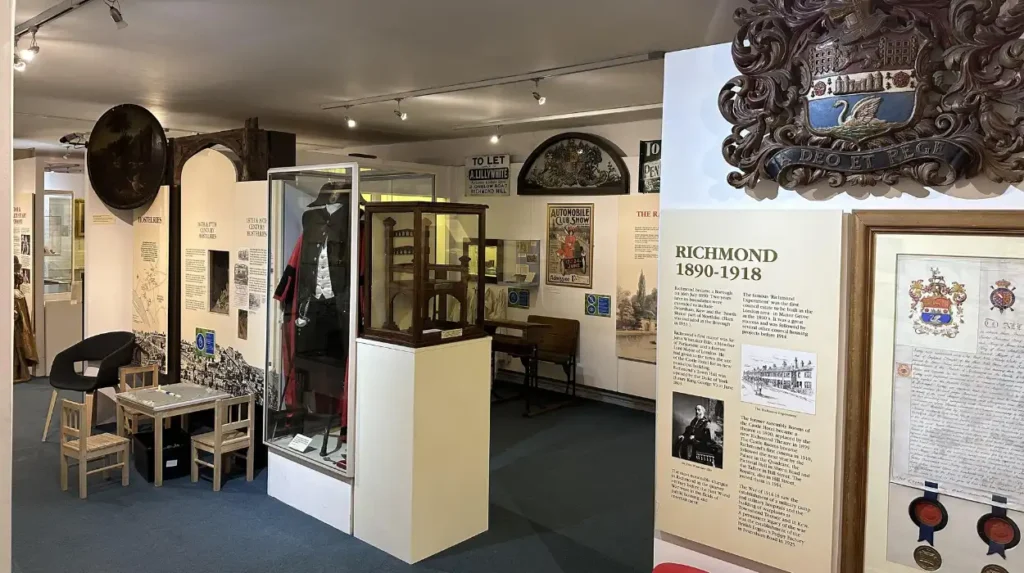
The Museum of Richmond documents the history of the Thames-side settlement from prehistoric occupation through Tudor royal influence and Victorian expansion. Archaeological discoveries illustrate continuous settlement, while local archives explain Richmond’s transformation into one of London’s most desirable residential districts.
Bruce Castle Museum and Archive in Tottenham occupies a Grade I listed seventeenth-century manor house. Its collections explore local government, education reform, industrial development, and social change throughout the London Borough of Haringey. The museum also houses nationally significant postal history collections connected to Sir Rowland Hill, architect of Britain’s Penny Post introduced in 1840.
The Vestry House Museum in Walthamstow interprets domestic life through reconstructed Victorian rooms, local manufacturing collections, wartime displays, and educational exhibits documenting the area’s transition from rural Essex parish to suburban London community.
Brent Museum and Archives examines migration, industry, sporting history, and multicultural development through oral histories, photographs, civic records, and personal collections donated by local residents. These materials demonstrate how successive migration waves reshaped London’s cultural identity throughout the twentieth century.
Together, these institutions demonstrate that London’s history developed through interconnected local communities rather than solely through royal events or national politics.
How do specialist museums reveal overlooked aspects of London’s history?
Specialist museums focus on individual professions, industries, scientific disciplines, transport systems, medicine, design, and military history. Their focused collections explain historical developments with exceptional depth while preserving expertise often impossible to display within broader national museums.
Specialist museums preserve technical knowledge alongside historical interpretation.
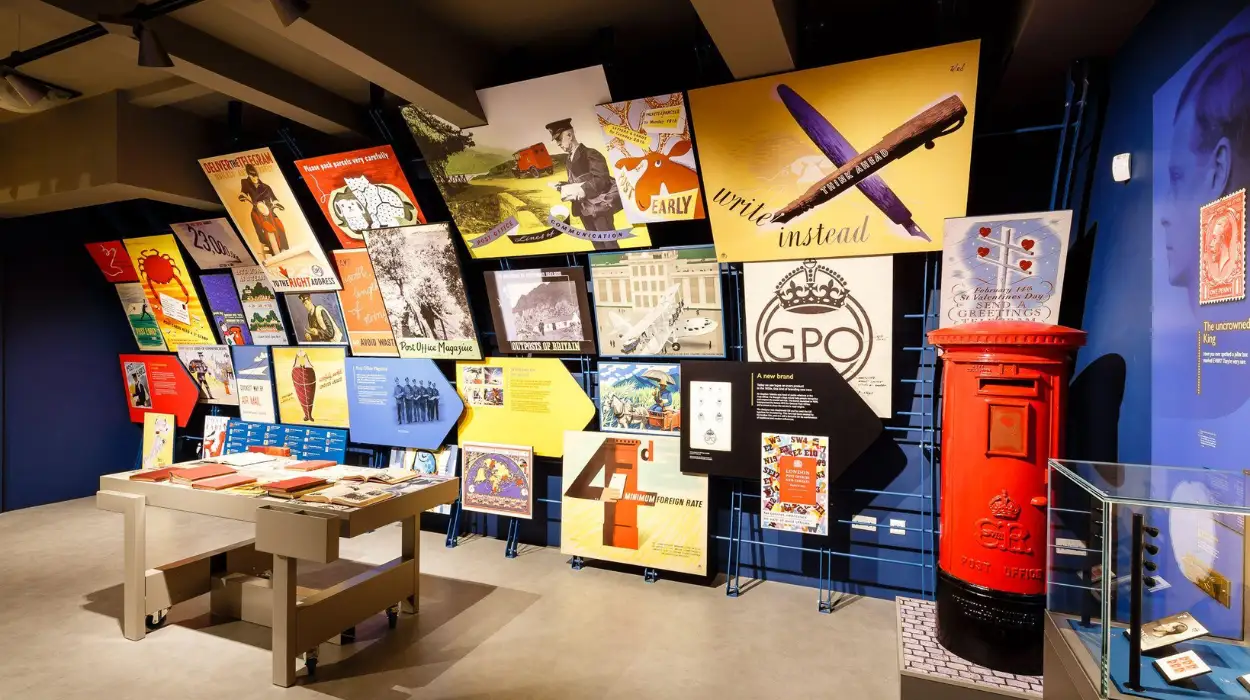
The Postal Museum traces Britain’s communications revolution from seventeenth-century mail services to modern logistics. Original vehicles, uniforms, engineering equipment, and the preserved Mail Rail underground railway illustrate how postal infrastructure supported London’s commercial expansion.
The Old Operating Theatre Museum occupies the attic of the former St Thomas’ Hospital church near London Bridge. Dating from the nineteenth century, it preserves one of Europe’s oldest surviving surgical theatres. Medical instruments, pharmaceutical collections, herb garrets, and contemporary records explain surgery before antiseptic techniques transformed healthcare.
The London Canal Museum explores the city’s inland waterways through historic ice wells, canal engineering, commercial transport, and industrial logistics. Exhibits explain how canals connected London’s expanding economy before railway dominance.
The Museum of Brands documents changing consumer culture through more than 12,000 original packaging designs, advertising materials, household products, and marketing campaigns. Chronological displays illustrate social change through everyday objects rather than political events alone.
The Cinema Museum preserves Britain’s cinematic heritage through projection equipment, architectural elements, promotional materials, and memorabilia collected from demolished picture houses. The museum occupies the former Lambeth workhouse where Charlie Chaplin spent part of his childhood, connecting entertainment history with London’s social history.
These museums demonstrate that technological innovation, commercial enterprise, healthcare, and everyday consumption fundamentally shaped London’s historical development.
What historic houses provide unique museum experiences across Greater London?
Historic house museums preserve original architecture, furnishings, decorative arts, and domestic interiors that demonstrate how Londoners lived across different historical periods. These buildings combine architectural conservation with social history, allowing visitors to study authentic residential environments rather than reconstructed exhibitions.
Historic houses preserve both physical structures and domestic traditions.
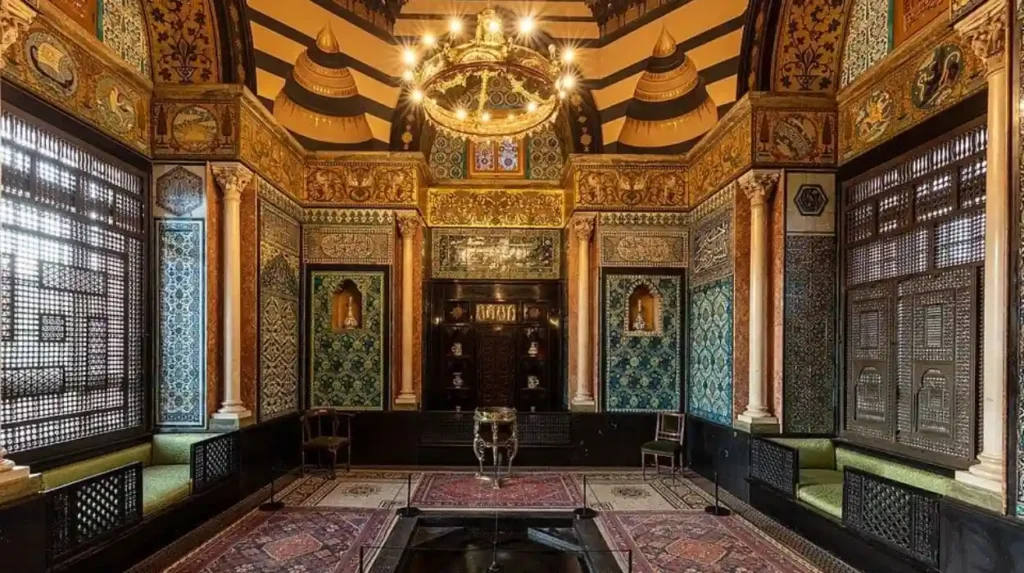
Leighton House in Kensington represents Victorian artistic ambition through elaborate Islamic-inspired interiors, purpose-built studios, and collections assembled by painter Frederic Leighton during the late nineteenth century.
Dennis Severs’ House recreates eighteenth-century Huguenot family life in Spitalfields through carefully arranged interiors that simulate occupied rooms rather than conventional museum displays. Objects remain positioned as though residents have briefly stepped away.
The Fan Museum in Greenwich preserves one of the world’s most specialised decorative arts collections. Fans dating from the eleventh century onward illustrate changing craftsmanship, fashion, court etiquette, trade networks, and artistic techniques across Europe and Asia.
The Emery Walker House in Hammersmith preserves the home of typographer Emery Walker almost exactly as it appeared in the early twentieth century. Original furnishings, Arts and Crafts interiors, and printing-related collections document influential design movements associated with William Morris and his contemporaries.
Historic houses also reveal London’s architectural diversity. Timber framing, Georgian townhouses, Victorian villas, Arts and Crafts residences, and adapted medieval buildings survive because preservation organisations transformed private homes into educational museums rather than allowing demolition.
How do industrial and transport museums explain London’s economic development?
Industrial and transport museums preserve engineering achievements, manufacturing technologies, commercial infrastructure, and transport innovations that transformed London into a global trading centre. Their collections explain economic growth through machinery, engineering, logistics, and surviving industrial architecture.
London’s economy depended upon transport, manufacturing, and trade.
The London Museum Docklands occupies a nineteenth-century sugar warehouse at West India Quay. Permanent galleries explain the Port of London’s evolution from Roman riverside trade through imperial commerce, slavery, industrial expansion, containerisation, and dockland regeneration.
Historic warehouse architecture demonstrates original construction methods designed to support international maritime commerce. Timber beams, brick vaulting, and riverside loading systems remain visible throughout the building.
The Brunel Museum preserves the Thames Tunnel, engineered by Marc Isambard Brunel and Isambard Kingdom Brunel. Completed in 1843, it became the world’s first tunnel constructed beneath a navigable river using tunnelling shield technology. This engineering achievement influenced railway, underground, and infrastructure projects worldwide.
The London Transport Museum Depot at Acton stores thousands of vehicles, engineering components, signs, uniforms, maps, and design archives unavailable in the main Covent Garden museum. Open days provide exceptional insight into conservation work and transport heritage.
These institutions explain how engineering innovation enabled London’s commercial dominance while improving movement of people, goods, and information across expanding urban districts.
How do museums preserve London’s multicultural and migration history?
Museums across Greater London document migration through oral histories, community archives, personal collections, photographs, and cultural artefacts. Their exhibitions explain how successive communities transformed London’s language, religion, commerce, education, cuisine, architecture, and neighbourhood identities across centuries.
Migration shaped London long before the modern era.
Roman merchants introduced continental trading networks during the first century AD. Medieval merchants established international commercial communities. Huguenot refugees settled in Spitalfields during the seventeenth century, bringing silk weaving expertise. Jewish communities expanded throughout East London during the nineteenth century. Caribbean migration following the Second World War reshaped London’s cultural landscape. South Asian, African, Middle Eastern, and Eastern European migration continued transforming the capital throughout the late twentieth and early twenty-first centuries.
Many borough museums preserve personal testimonies, immigration documents, family photographs, and oral history recordings donated by local communities. These collections complement national historical narratives by documenting everyday experiences rather than political policy alone.
The Migration Museum has also expanded public understanding of Britain’s migration history through exhibitions exploring identity, movement, citizenship, employment, and belonging. Its projects demonstrate how migration remains central to London’s continuing evolution.
Community collections increasingly incorporate digital archives, ensuring future researchers access contemporary migration histories alongside historical documentation.
What educational value do independent museums provide for researchers and families?
Independent museums provide primary historical evidence, specialist archives, educational workshops, curriculum resources, genealogy collections, and authentic artefacts that support formal education, lifelong learning, historical research, and community engagement across multiple academic disciplines and age groups.
Museums function as research institutions as well as visitor attractions.
School programmes introduce pupils to archaeology, Roman Britain, Victorian education, industrialisation, scientific discovery, architecture, and local government through original objects. Authentic artefacts encourage evidence-based historical interpretation instead of relying exclusively on textbooks.
University researchers consult museum archives containing unpublished correspondence, engineering drawings, parish records, photographs, maps, business documents, and oral histories unavailable within national collections.
Genealogical researchers particularly benefit from borough museums maintaining local electoral records, trade directories, employment histories, cemetery information, school registers, and family donations documenting neighbourhood life.
Many museums collaborate with Historic England, local authorities, university departments, archaeological units, and heritage charities to support ongoing conservation projects and public engagement.
Educational activities therefore extend beyond exhibitions into research, preservation, publication, and community partnerships.
How are London’s lesser-known museums preserving heritage for future generations?
Museums preserve London’s heritage through conservation science, digital archiving, building restoration, climate-controlled storage, community partnerships, archaeological research, and public education. These combined approaches protect collections while expanding access through exhibitions, digitisation, and collaborative historical research programmes.
Conservation has become increasingly sophisticated during recent decades.
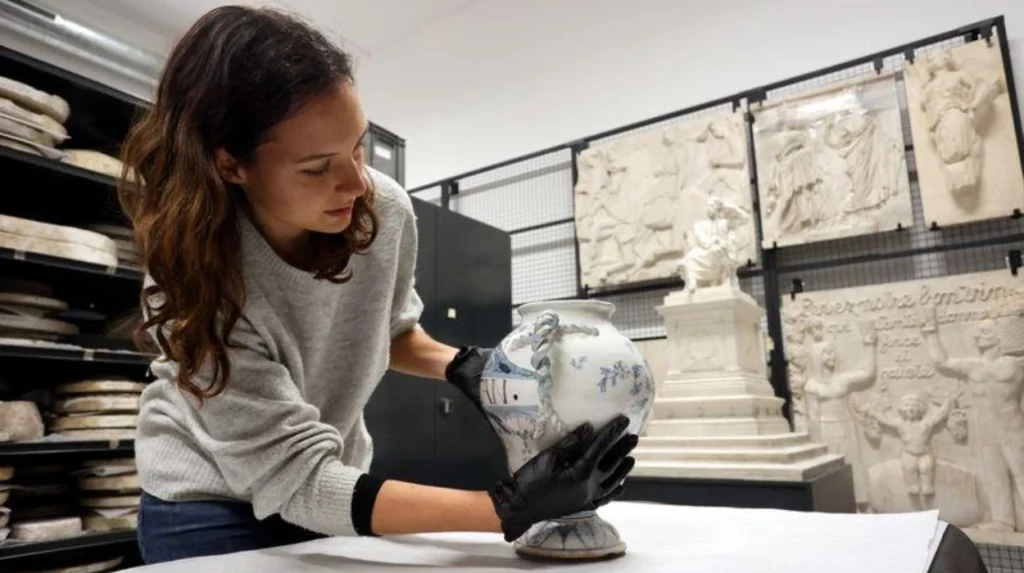
Specialist conservators stabilise paper archives, textiles, paintings, ceramics, metal objects, archaeological artefacts, furniture, and photographic collections using internationally recognised preservation standards.
Digitisation projects create high-resolution records of manuscripts, maps, architectural plans, newspapers, photographs, and oral histories. Digital catalogues increase accessibility for researchers unable to travel while reducing handling of fragile originals.
Historic buildings housing museums also require continuous maintenance. Conservation architects preserve structural timber, brickwork, decorative plaster, stained glass, roofing systems, and original interiors while meeting modern safety requirements.
Many institutions participate in volunteer programmes training local residents in archival cataloguing, oral history recording, archaeological surveying, and heritage interpretation. Community participation strengthens long-term preservation while expanding public understanding of local history.
Climate adaptation has also become increasingly important. Museums monitor humidity, temperature, pollution, and light exposure to minimise deterioration caused by environmental change.
These preservation efforts ensure London’s cultural heritage remains accessible for future historians, educators, researchers, and visitors.
Why do museums beyond the tourist trail offer a deeper understanding of Greater London?
Lesser-known museums explain London’s complete historical development through neighbourhood history, specialist collections, preserved architecture, industrial heritage, migration stories, and community archives. Together they present a richer, more detailed understanding of the capital than landmark attractions alone can provide.
Greater London’s history extends far beyond its internationally recognised monuments. Every borough contains evidence of Roman occupation, medieval commerce, industrial innovation, artistic achievement, religious diversity, scientific progress, and community resilience preserved through local museums.
Independent museums complement national institutions by focusing on specific people, professions, districts, technologies, and communities that collectively built modern London. Their collections transform broad historical narratives into tangible evidence supported by original artefacts, archival documents, archaeological discoveries, and preserved historic buildings.
For educators, these museums provide authentic teaching resources grounded in primary evidence. For cultural travellers, they offer quieter and more immersive experiences. For genealogists, they preserve invaluable records linking families to neighbourhood history. For heritage preservationists, they demonstrate how conservation safeguards both physical collections and community identity.
As Greater London continues evolving, these museums remain essential custodians of the capital’s collective memory. Their work ensures that local stories, specialist knowledge, and everyday experiences continue enriching the historical understanding of one of the world’s most influential cities.
Frequently Asked Question
What are the best hidden museums to visit in Greater London for an authentic cultural experience?
Some of the best hidden museums in Greater London include the Museum of Richmond, Bruce Castle Museum and Archive, The Postal Museum, Leighton House, Dennis Severs’ House, the London Museum Docklands, the Brunel Museum, the Old Operating Theatre Museum, the Museum of Brands, and the Migration Museum. These museums offer unique insights into London’s local history, industrial heritage, architecture, migration, and everyday life while providing a quieter and more immersive experience than the city’s major tourist attractions.