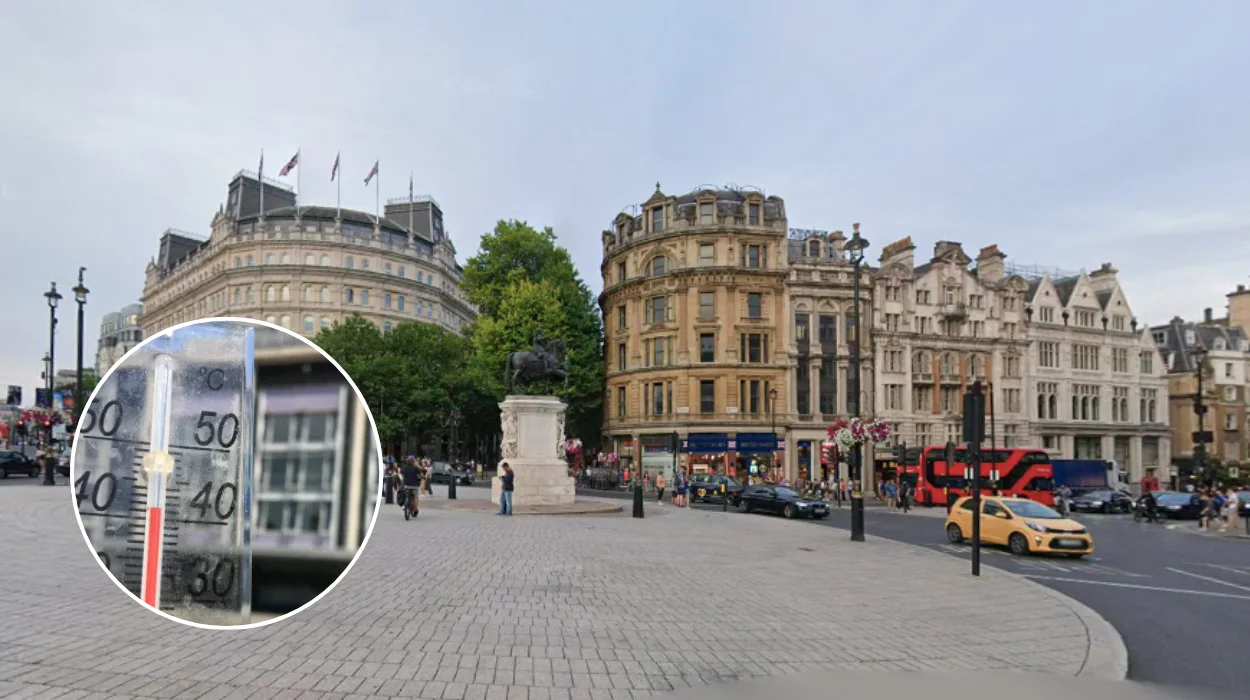
Key Points
- Amber Health Alert: An amber heat health alert issued by the UK Health Security Agency (UKHSA) and the Met Office has officially come into force for London, the South East, East, and Midlands.
- Peak Temperatures: BBC Weather and Met Office meteorologists predict London temperatures will peak at around 33C to 34C on Monday afternoon, accompanied by prolonged sunshine.
- Extended Dry Spell: Parts of London are enduring an extended dry period, going as long as 41 days without significant rainfall, heightening environmental strains.
- Midweek Relief: Temperatures are expected to dip to around 27C on Tuesday, before settling into milder, balmier conditions ranging between 23C and 25C on Wednesday and Thursday.
- Health and Service Impacts: Authorities warn that the high temperatures could place increased pressure on health and social services, potentially leading to a rise in vulnerability among older adults and individuals with underlying medical conditions.
London (The Londoner News) August 3, 2026 — London is set to swelter in intense summer heat as temperatures climb as high as 33C on Monday, triggering a coordinated amber heat health alert across the capital and neighboring regions. The sweltering conditions arrive as a persistent dry spell leaves parts of London stretching up to 41 days without meaningful rainfall, compounding concerns over dry earth and environmental conditions.
- Why Has an Amber Heat Alert Been Issued for London?
- What Are Meteorologists Predicting for the Peak Heat?
- How Long Will the Extreme Temperatures Last?
- What Are the Risks Associated With a 41-Day Dry Spell?
- How Are Health Authorities Advising the Public to Cope?
- What Should Commuters and Travelers Expect?
Why Has an Amber Heat Alert Been Issued for London?
The implementation of the amber alert signals a heightened level of risk to public health, infrastructure, and emergency services. As reported by the UK Health Security Agency (UKHSA) and meteorological forecasters, the alert encompasses London alongside the South East, East, and Midlands, remaining active to monitor the severe weather trajectory.
According to BBC Weather forecasts, mercury levels are projected to scale upwards consistently from late morning, hitting their zenith of approximately 33C by around 4:00 pm on Monday afternoon under clear, sunlit skies.
What Are Meteorologists Predicting for the Peak Heat?
Expounding on the meteorological drivers behind the surge, national forecasters have outlined a rapid escalation in heat brought on by established high-pressure systems. As noted by Met Office forecaster Marco Petagna, central and southern England are experiencing widespread high 20s to low 30s, stating that conditions are
“approaching or if not touching, the mid 30s in the South East”.
Furthermore, detailed regional analysis provided via the Evening Standard indicates that Monday serves as the apex of this current heat spike. The intense afternoon sunshine is anticipated to create close and humid atmospheric conditions, making the environment feel notably more oppressive for residents navigating urban infrastructure.
Explore More London Local News
£4m Cash Found in Supermarket Bags in Catford, London 2026
Tower Hamlets Leads Affordable Housing Legal Fight in London 2026
How Long Will the Extreme Temperatures Last?
While Monday marks the most severe phase of the heat episode, changes are already visible on the horizon for the remainder of the working week. Meteorological models show that the heat will begin to recede slightly as Tuesday progresses.
As reported by BBC Weather and supported by Met Office data updates, Tuesday’s maximum temperatures are expected to drop off to a somewhat more manageable 27C. Following this minor descent, the mid-week outlook points toward significantly balmier and cooler conditions. Wednesday and Thursday will see temperatures moderate further, lingering comfortably within a range of 23C to 25C, offering much-needed relief to homes and transport networks lacking widespread air conditioning.
What Are the Risks Associated With a 41-Day Dry Spell?
Beyond the immediate discomfort of daytime highs, the meteorological context is defined by a severe lack of precipitation. Parts of London have now recorded up to 41 consecutive days without rain. This prolonged dry stretch has desiccated green spaces across the capital, leaving local parks and sports pitches surrounded by scorched earth.
Environmental scientists and water authorities have frequently cautioned that such extended dry phases elevate the risk of localized grass fires and place strain on water resource management across South East England, where reservoirs and river catchments face sustained depletion from lack of replenishment.
How Are Health Authorities Advising the Public to Cope?
With the amber alert directly highlighting potential risks to vulnerable populations, public health officials have stepped up guidance messages. As stated by Polly Ashmore of the UKHSA:
“Periods of hot weather can result in serious health outcomes, especially for older adults, and it is therefore important that everyone takes sensible precautions while enjoying the sun”.
Ms Ashmore further emphasized the necessity of community vigilance, urging citizens to look out for elderly relatives, neighbours, and individuals suffering from pre-existing chronic conditions. In parallel statements, support organizations such as the Alzheimer’s Society, represented by Angelo Makri, stressed that high temperatures pose severe risks for individuals living with dementia, advising families, friends, and professional carers to ensure loved ones stay adequately hydrated, wear light garments, and remain sheltered indoors during peak sun hours.
Practical advice issued by health authorities across the board includes:
- Maintaining consistent hydration by drinking plenty of water throughout the day.
- Avoiding strenuous outdoor physical activity during the hottest window of the afternoon.
- Keeping residential properties cool by drawing curtains and blinds on sun-facing windows.
What Should Commuters and Travelers Expect?
Infrastructure providers have also been put on alert as the high temperatures risk impacting public transport networks. Extreme heat frequently causes rails to expand, potentially leading to speed restrictions, delays, and cancellations on both National Rail services and underground tube lines that lack climate-controlled carriages. Commuters traversing London on Monday afternoon are advised to check travel schedules in advance, carry portable water supplies, and allow extra time for their journeys as the amber warning remains active.