
Key Points
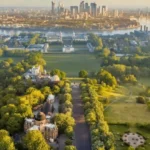
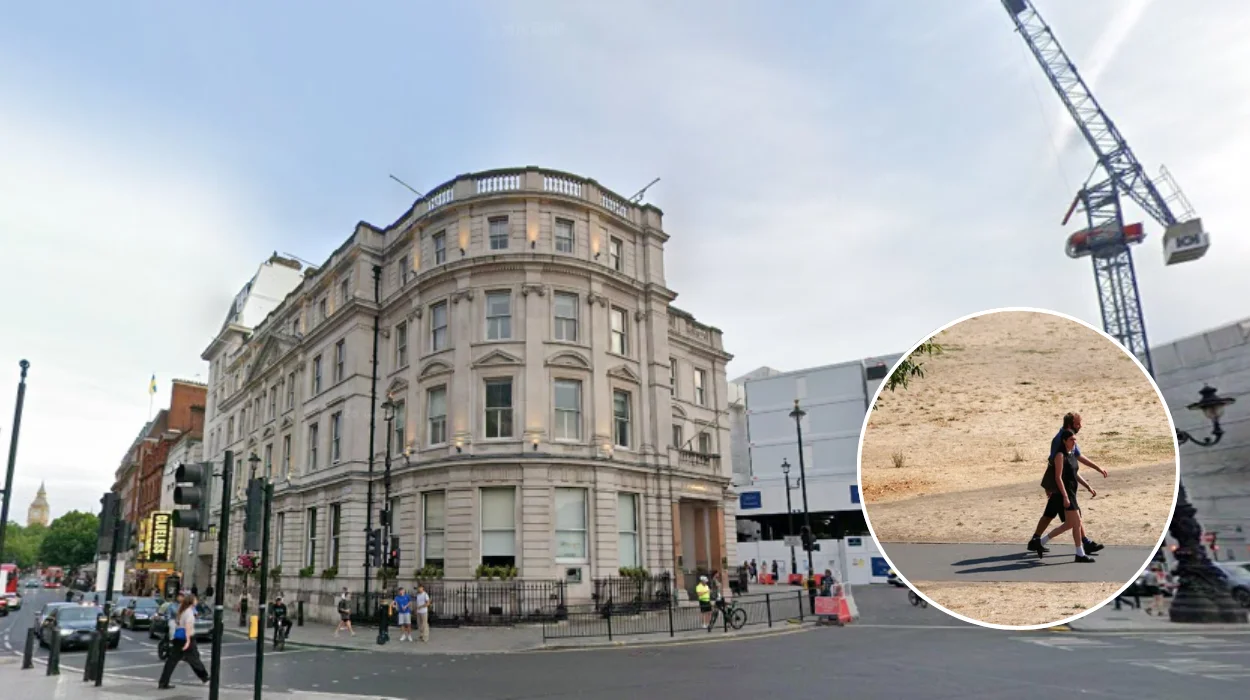
- Hyde Park looks like the Serengeti and the green belt has turned yellow due to dry conditions.
- Occasional showers do not mean London is out of drought, leaving questions about how long the dry spell will last.
- London is water-stressed because it has a large population in an area that is naturally very dry.
- Many people think London is a rainy city, but it actually gets less rain than many other European cities.
- The Met Office states that the Thames Valley, London, and the north Kent coast normally get less than 650mm (26in) of rain each year.
- Rome receives up to 900mm (35in) of rain per year, compared to London’s lower totals.
London (The Londoner News) August 25, 2026 — Hyde Park currently looks more like the Serengeti and the green belt has turned yellow, prompting urgent questions over whether occasional summer showers mean the capital is escaping its dry spell or how long the drought will ultimately last. As reported by the BBC, the British capital remains highly susceptible to dry spells because it hosts a very large population packed into a region that is inherently very dry. Experts designate this predicament as being “water stressed,” a vulnerability driven by persistent environmental factors and low precipitation levels.
Why Do People Misunderstand London’s Climate Reality?
The prevailing public perception paints London as a perpetually rainy city, a notion that experts repeatedly dismiss as a widespread myth. As outlined in reporting by the BBC, the capital actually receives far less rain than numerous other major urban centers across continental Europe. Meteorological data confirms that London’s weather patterns are much drier than residents often assume, creating a false sense of security regarding water availability and consumption habits.
How Much Rain Does London Actually Receive Annually?
According to statistical figures released by the Met Office and detailed by the BBC, the Thames Valley, London, and the north Kent coast normally receive less than 650mm (or 26in) of rain every single year. This restricted amount highlights the inherent aridity of the southeastern region of England. When placed side by side with other European capitals, the disparity becomes even more pronounced, emphasizing the unique geographical and climatic challenges facing the metropolitan area.
Explore more Local London News:
Meta Glasses Spark Retail Surge and Privacy Backlash in London 2026
Avanti House Achieves Record A-Level Results in Stanmore 2026
How Does London’s Rainfall Compare To Other European Cities?
When evaluating precipitation levels across the continent, London lags significantly behind other historic capitals. As highlighted by the BBC, while London struggles to clear 650mm of annual rainfall, Rome receives up to 900mm (or 35in) over the same period. This stark comparison underscores why experts emphasize that London is operating under a microclimate that is far drier than commonly understood by the general public.
What Does Being “Water Stressed” Mean For Londoners?
The classification of London as “water stressed” carries profound implications for urban planning, resource management, and daily civilian life. With a densely concentrated population relying heavily on limited local water sources, environmental analysts stress that every drop counts. The combination of high population density and meager annual precipitation leaves very little margin for error during prolonged periods of deficient rainfall, making structural changes in water management an absolute necessity for the future.