Key Points
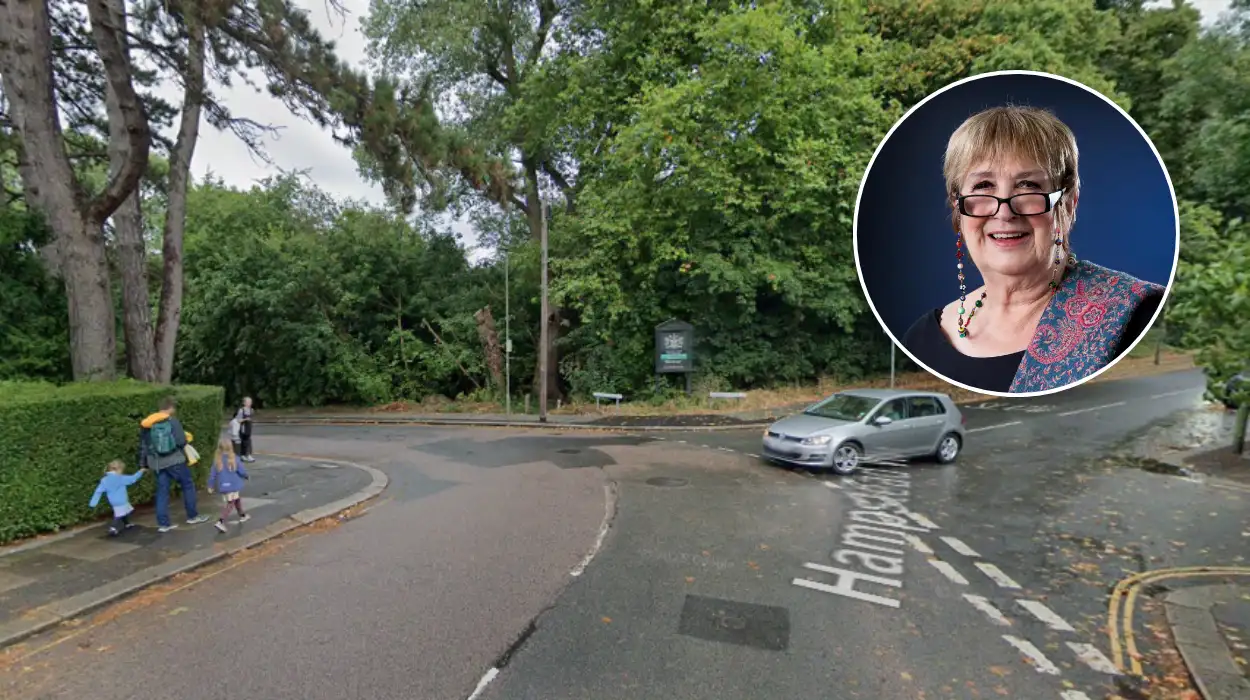
- Broadcaster Dame Jenni Murray died at age 75 following a car crash in north London.
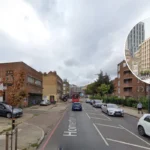
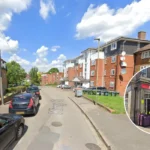
- An inquest at Barnet Coroner’s Court was told the crash happened on Wildwood Road near Hampstead Heath after headlights dazzled her and she hit two stationary vehicles.
- The impact caused multiple rib fractures, an upper sternum fracture, and a collapsed lung.
- North London area coroner Tony Murphy ruled the cause of death was bronchopneumonia brought on by the chest injuries.
- The crash occurred on March 4, 2026, at approximately 7:44 pm, and she died in hospital on March 12, 2026.
- The Metropolitan Police investigated the collision and closed the inquiry with no further action.
- Tributes were paid to the former presenter, who hosted BBC Radio 4’s Woman’s Hour for 30 years.
London (The Londoner News) August 27, 2026 — Veteran BBC broadcaster and feminist icon Dame Jenni Murray died from complications following a car crash in north London after being blinded by oncoming vehicle headlights, an inquest has been told.
As reported by Kevin Rawlinson of The Guardian, the 75-year-old former presenter of BBC Radio 4’s Woman’s Hour succumbed to her injuries on March 12, eight days after a collision on Wildwood Road adjacent to Hampstead Heath. North London area coroner Tony Murphy concluded at Barnet Coroner’s Court that Dame Jenni’s official cause of death was bronchopneumonia, directly triggered by fractures to her ribs and sternum sustained during the road traffic incident.
What Happened During the Crash Near Hampstead Heath?
According to details presented at the inquest and reported by ITV News journalist, the collision occurred shortly before 8 pm on March 4, 2026.
As outlined in a statement from Dr Clare Morkane, a consultant at the Royal Free Hospital where Dame Jenni received treatment, the broadcaster had been driving when she encountered blinding light. As reported by The Guardian writer Kevin Rawlinson, Dr Morkane stated that:
“Jennifer had been driving when she became dazzled by vehicle lights and collided with two stationary vehicles.”
The inquest was further informed, via coverage from ITV News, that although Dame Jenni could not remember the specific sequence of events immediately following the impact, she managed to exit her vehicle independently before emergency services conveyed her to the hospital. Medical evaluations revealed she had suffered multiple rib fractures, a fracture to her upper sternum, and a collapsed lung.
Explore more North London News:
Thames Water Burst Pipe Crisis Hits Muswell Hill 2026
Bus Strikes Arriva London Hot Weather 2026
How Did the Injury Lead to Dame Jenni Murray’s Death?
As detailed in reports by The Guardian, medical teams at the Royal Free Hospital initially placed Dame Jenni on non-invasive ventilation and subsequently transferred her to the intensive care unit as her trauma management continued.
However, during her hospitalisation, she contracted bronchopneumonia—an infection causing sections of the lungs to become inflamed and fluid-filled, severely restricting oxygen intake. As reported by The Guardian correspondent Kevin Rawlinson, Dr Morkane explained that following a significant clinical deterioration on March 10, a collective medical decision was made to transition her care plan towards palliative comfort.
Dr Morkane stated:
“Jennifer died peacefully on 12 March 2026 at approximately 15.45 hours.”
The inquest also established that the Metropolitan Police carried out a full investigation into the circumstances of the collision, but ultimately closed their inquiry without pursuing any further legal action. Dame Jenni’s husband, David Forgham-Bailey, participated in and attended the coroner’s hearing via a video link.
What Was Dame Jenni Murray’s Broadcasting Legacy?
As highlighted by the Sunday Guardian Live journalist Deepika Pundir, Dame Jenni was widely celebrated as one of the most recognisable and enduring voices in British broadcasting. Joining BBC Radio 4’s Woman’s Hour in 1987, she anchored the flagship program for over 30 years until her departure in 2020, establishing herself as the programme’s longest-serving presenter.
During her extensive tenure, she shaped cultural conversations and interviewed countless prominent global figures, including former Prime Minister Margaret Thatcher, U.S. statesman Hillary Clinton, actor Jack Nicholson, and politician Edwina Currie. In archival reflections noted by media sources, Dame Jenni once described an interview with singer Joan Baez as “the peak of my career.”
Beyond her microphone work, she was a fierce advocate for women’s rights and health awareness. Following her own diagnosis with breast cancer in 2006, which she bravely announced live on Woman’s Hour, she spent nearly twenty years serving as a vice-patron for the charity Breast Cancer Now. Her profound contributions to media and public life were formally recognized when she was made a Dame in 2011.
How Did Public Figures and Colleagues React to Her Passing?
Following the confirmation of the inquest details and remembrance of her life, heartfelt tributes resurfaced across the media landscape. Former Labour deputy leader Baroness Harriet Harman paid tribute to her profound cultural impact, previously calling Dame Jenni
“the broadcasting wing of the women’s movement.”
Additional tributes compiled by Sunday Guardian Live reporter Deepika Pundir noted that former BBC Director-General Tim Davie remembered her as “a broadcasting icon,” while BBC Radio 4 Controller Mohit Bakaya praised her enduring presence, describing her as “warm, fearless and beloved by listeners.”
Dame Jenni’s influential career culminated in 2020 when her final broadcast fittingly concluded with Helen Reddy’s iconic feminist anthem, I Am Woman—cementing an institutional legacy that profoundly transformed British public service broadcasting for generations.