
Key Points
- Local firms and people in south-east London have been actively seeking reassurance from the proposed expansion of the London Marathon into a two-day race in 2027.
- There will be many road closures and parking bans planned during the marathon period from 24 to 25 April.
- Lord Duvall, the London Assembly member for Greenwich and Lewisham, referred to the event as an exciting one but emphasized the absolute importance of getting everything right and ensuring that people receive timely information about it.
- Hugh Brasher, the CEO of London Marathon Events, said that the organizers are cooperating with the boroughs along the course in order to minimize disruptions for local residents, firms, and communities.
- Lord Duvall warned that two days of disruption would significantly affect the communities of Greenwich, Charlton, Woolwich, and Deptford, especially in terms of how elderly and less mobile people receiving healthcare supplies during the daytime would be affected.
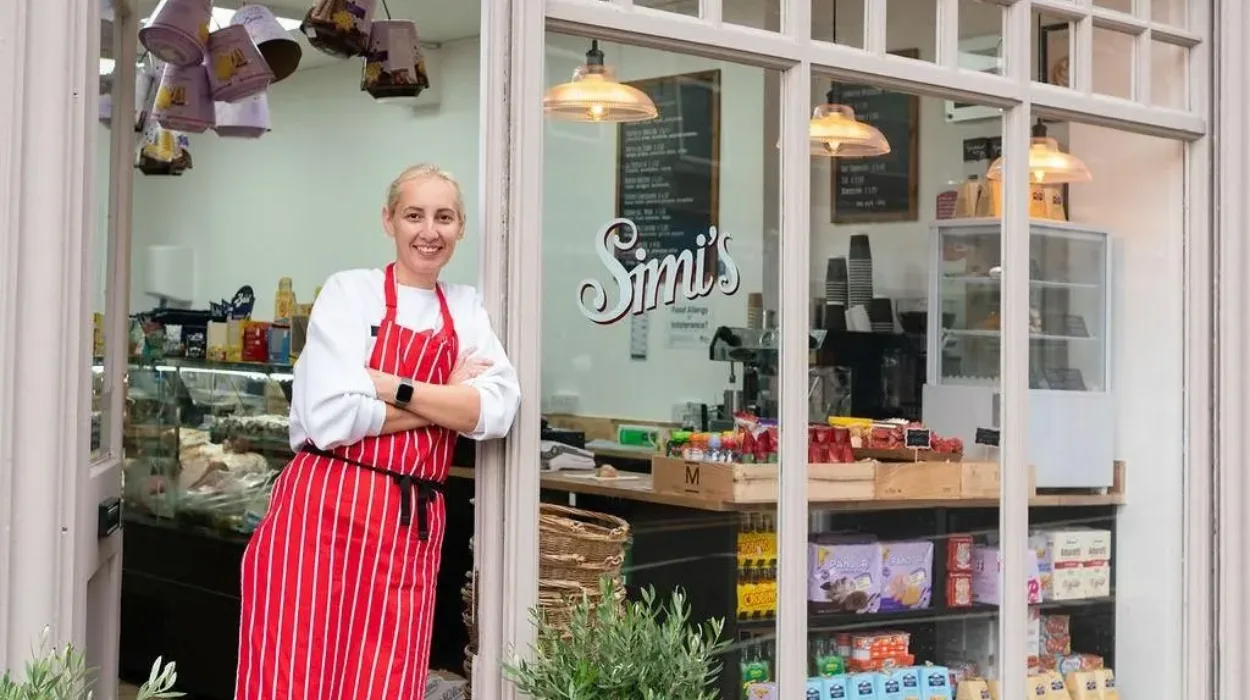
- Simi Ghent, who owns Simi’s Italian Deli in Charlton Village, expressed concern about the effects on trade during her first year in business to the Local Democracy Reporting Service (LDRS).
London (The Londoner News) — Businesses and residents located throughout south-east London are urgently seeking concrete assurances and transparent communication over the unprecedented disruption anticipated from the planned expansion of the London Marathon into a two-day sporting spectacle in 2027.
As detailed in reports by the BBC, comprehensive road closures and strict parking restrictions are scheduled to be firmly in place across the capital during the marathon weekend on 24 and 25 April. While the iconic race has traditionally functioned as a single-day institution drawing global attention, the decision to stretch the competition across an entire weekend has sparked anxiety among local stakeholders who fear that cumulative logistical hurdles will outweigh the community benefits.
Why Are Local Representatives Demanding Early Clarity?
Addressing the unfolding situation, Lord Duvall, the London Assembly member for Greenwich and Lewisham, acknowledged the magnitude of the event. As reported by the BBC, Lord Duvall described the marathon expansion as “an exciting opportunity, but it is important that we get the details right,” adding that
“people need clear and early information about how they will be affected.”
Elaborating on these anxieties, Lord Duvall emphasized that two consecutive days of heavy road closures and transit blockades would trigger a significant, compounding impact on vulnerable communities situated within Greenwich, Charlton, Woolwich, and Deptford. Raising critical questions regarding public welfare, Lord Duvall specifically asked how elderly and less mobile residents—who heavily depend on uninterrupted daytime healthcare deliveries and essential nursing visits—would be safely supported throughout the prolonged weekend restriction period.
Explore more London Local News:
District 13 and Rufus Miller Rock Concert in London 2026
Exhausted Taxi Driver Fatal Crash on A23 in South London 2026
What Measures Are Organisers Taking to Mitigate Disruption?
In response to the mounting pressure from local communities and municipal leaders, event authorities have defended the strategic planning behind the expanded format. Hugh Brasher, the chief executive of London Marathon Events, stated that organisers were
“working closely with boroughs along the route to minimise disruption for residents, businesses and local communities.”
Organisers maintain that expanding the race format is a necessary measure to accommodate soaring global demand while maximizing charitable fundraising and economic engagement across Greater London. However, local leaders continue to argue that high-level reassurances must be matched by meticulous, borough-specific operational blueprints that guarantee everyday access is not unduly compromised during the back-to-back racing days.
How Will Local Businesses Be Affected by the Two-Day Format?
While commercial stakeholders acknowledge that an extended marathon weekend could potentially drive increased footfall and visitor engagement, local traders argue that clear strategy and targeted support are desperately needed. Business owners point out that without proper logistical adaptations, a double-day event risks turning into a commercial hindrance rather than a welcome economic boost.
Shedding light on the commercial vulnerabilities at ground level, Simi Ghent, owner of Simi’s Italian Deli in Charlton Village, spoke candidly about the challenges facing independent establishments. As reported to the Local Democracy Reporting Service (LDRS) and covered by the BBC, Simi Ghent stated:
“This is our first year of trading so we’ve only had the marathon once – it did have a knock-on effect.”
Ghent’s comments underscore a wider anxiety felt by small businesses situated off the primary racing arteries, where standard customer traffic patterns are disrupted without a corresponding influx of accessible consumer footfall. Traders are pressing local authorities and event coordinators to outline precisely how commercial corridors outside immediate spectator hubs will be safeguarded against financial downturns during the historic weekend closure.
As preparations continue for the 2027 showcase, pressure remains squarely on London Marathon Events, Transport for London, and borough councils to deliver comprehensive answers that protect community accessibility while preserving the civic goodwill of the capital’s most famous running event.