Key Points:
- Government Jet Rerouted: A taxpayer-funded government VIP plane bound for Antigua and Barbuda diverted to Manchester Airport to collect Prime Minister Andy Burnham and his wife, Marie-France van Heel, after taking off from London Stansted.
- Downing Street Justification: 10 Downing Street defended the logistically complex journey, stating that operational travel decisions are determined strictly on security and operational grounds.
- Criticism Over Value and Carbon: Critics have accused the administration of hypocrisy and labelled Burnham “Air Miles Andy”, pointing to Labour’s previous criticism of Conservative domestic private aviation usage.
- Schedule and Working Location: Downing Street confirmed Burnham spent Friday in Scotland before travelling to work from “No 10 North” in Greater Manchester over the weekend prior to departure.
- Summit Itinerary: The flight departed via a refuelling stop in Canada en route to St John’s, Antigua and Barbuda, for the Commonwealth Heads of Government Meeting (CHOGM).
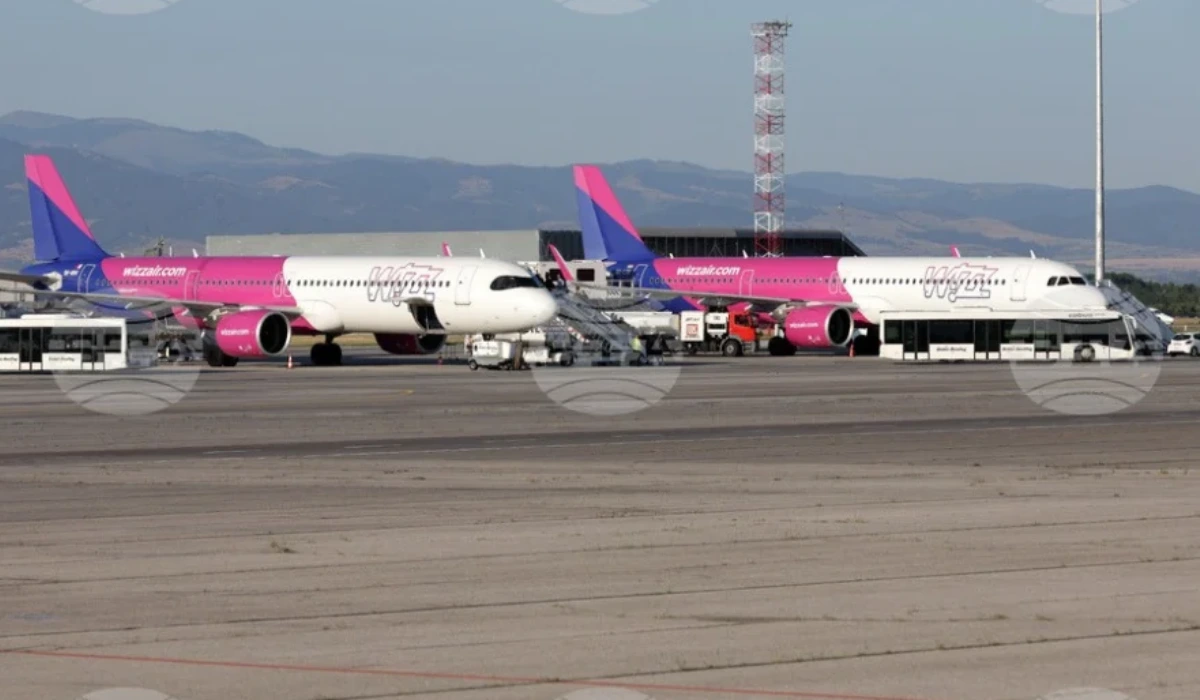
London (The London News) November 2, 2026 – Downing Street has mounted a formal defense of travel logistics after a government-chartered VIP aircraft bound for the Commonwealth Heads of Government Meeting in the Caribbean was routed from London Stansted Airport to Manchester to collect Prime Minister Andy Burnham and his wife. According to Whitehall disclosures confirmed by Whitehall Editor Jonathan Walker of the Daily Express and political correspondent Ashlie Blakey of the Manchester Evening News, the government-leased aircraft departed London Stansted at approximately 6:00 AM on Monday, 2 November 2026, carrying civil servants and pool journalists, before executing a 34-minute domestic flight north to Manchester Airport. The aircraft remained grounded in Manchester for approximately an hour to pick up the Prime Minister before taking off for a refuelling stop in Canada en route to Antigua and Barbuda.
- Key Points:
- Why did the Prime Minister’s flight make a domestic detour to Manchester?
- How have political opponents reacted to the Manchester stopover?
- What is the Prime Minister’s itinerary at the Commonwealth Summit in Antigua and Barbuda?
- Background of Prime Ministerial Air Travel and Government Fleet Logistics
- Predictions for Political Scrutiny, Ministerial Travel Policy, and Public Transparency Disclosures
Why did the Prime Minister’s flight make a domestic detour to Manchester?
As reported by political reporter Ashlie Blakey of the Manchester Evening News, Downing Street representatives confirmed that Prime Minister Andy Burnham spent Friday conducting official business in Scotland before returning to Greater Manchester to work from “No 10 North” over the weekend.
Addressing press queries regarding why the flight path was configured to pick up the Prime Minister in Manchester rather than requiring him to return to London over the weekend, a official Downing Street spokesperson stated:
“Decisions related to travel are made on security and operational grounds, neither of which we comment on. We are transparent about travel costs. They will be published in the usual way.”
When questioned by Westminster reporters on whether the domestic stopover represented bad value for taxpayers or reflected a reluctance by the Prime Minister to return to London prior to departure, the Prime Minister’s official spokesperson firmly rejected the assertion, stating:
“I’ve just set out our position, and I’ll just refer you back to that… I don’t accept that.”
How have political opponents reacted to the Manchester stopover?
As reported by Whitehall Editor Jonathan Walker of the Daily Express, political opposition figures and commentators have labeled the Prime Minister “Air Miles Andy”, arguing that the domestic diversion incurs avoidable financial expenses and carbon emissions.
Critics noted that Labour previously attacked former Conservative Prime Minister Rishi Sunak for relying on private helicopters and ministerial jets for short-haul domestic travel. Upon taking office, the Labour administration formally cancelled a £40 million ministerial helicopter contract, framing the decision as an effort to eliminate waste.
Opponents contend that flying an empty multi-engine VIP transport aircraft from Stansted to Manchester to avoid a road or rail return journey to London undermines government commitments to environmental sustainability and fiscal discipline. While unverified political estimates suggest the additional flight leg could cost taxpayers up to £20,000, official expenditure figures will only be released during quarterly departmental transparency publications.
What is the Prime Minister’s itinerary at the Commonwealth Summit in Antigua and Barbuda?
As reported by international political correspondents for the Press Association and the Daily Express, Prime Minister Andy Burnham is travelling to St John’s, Antigua and Barbuda, to attend the 2026 Commonwealth Heads of Government Meeting (CHOGM).
The summit, which brings together leaders from 56 member states, features high-level debates on trade, climate resilience, and historical reparatory justice.
Key agenda items surrounding the Prime Minister’s arrival include:
- Reparatory Justice Debates: Participating in structured dialogues regarding the historical legacy of the transatlantic slave trade. Prime Minister Burnham signaled openness to discussions, stating that listening to calls for a formal state apology forms an important part of the diplomatic process.
- Head of State Presence: King Charles III arrived in Antigua and Barbuda on Friday ahead of his address to summit delegates.
- Economic Cooperation: Addressing trade frameworks and sustainable development goals across Commonwealth partner countries.
Background of Prime Ministerial Air Travel and Government Fleet Logistics
Government-funded air travel for senior UK Cabinet ministers has long generated intense political scrutiny in Westminster. Historically, British Prime Ministers utilized RAF transport aircraft operated by No. 32 (The Royal) Squadron or commercial charter services for overseas diplomatic visits. Under previous administrations, the UK Government leased and customized an Airbus A321neo and an RAF Voyager (A330) aircraft—equipped with secure communications systems and specialized seating—to transport prime ministerial delegations and press pools to international summits such as the G7, G20, and CHOGM.
Standard security protocols mandate that prime ministerial flights operate out of designated secure facilities, such as the private aviation terminal at London Stansted Airport or RAF Northolt, where specialized counter-terrorism and logistical infrastructure are permanently maintained. During the Conservative administration, opposition MPs regularly criticized former Prime Minister Rishi Sunak for frequent domestic helicopter flights, characterizing the practice as disconnected from public transport realities. Upon taking power, the Labour government cancelled the Cabinet Office’s dedicated £40 million rotary-wing helicopter contract to demonstrate fiscal responsibility. However, the operational necessity of managing regional official duties—such as working from regional offices like “No 10 North” in Manchester—frequently collides with centralized aviation security standards, prompting logistically complex flight routings for international trips.
Predictions for Political Scrutiny, Ministerial Travel Policy, and Public Transparency Disclosures
The controversy surrounding Prime Minister Andy Burnham’s flight detour to Manchester is predicted to trigger renewed parliamentary debate and administrative reviews regarding government travel protocols.
For Westminster politicians, parliamentary committees, and media watchdog groups, the domestic detour will ensure intense scrutiny when the Cabinet Office publishes its quarterly transparency returns for official travel expenses. Opposition MPs are predicted to table formal Parliamentary Questions (PQs) demanding an itemized breakdown of the additional fuel costs, landing fees, and carbon offsets incurred by the Manchester stopover. To mitigate ongoing fallout, the Cabinet Office may be forced to issue clearer operational guidelines defining when regional flight pickups are permissible for senior ministers.
For the British public and political strategists, the incident highlights persistent political vulnerabilities surrounding executive travel. As the administration balances regional governance commitments with fiscal austerity measures, opponents will likely continue referencing the “Air Miles Andy” moniker during parliamentary debates to challenge the government’s stance on environmental policy and public sector spending.