
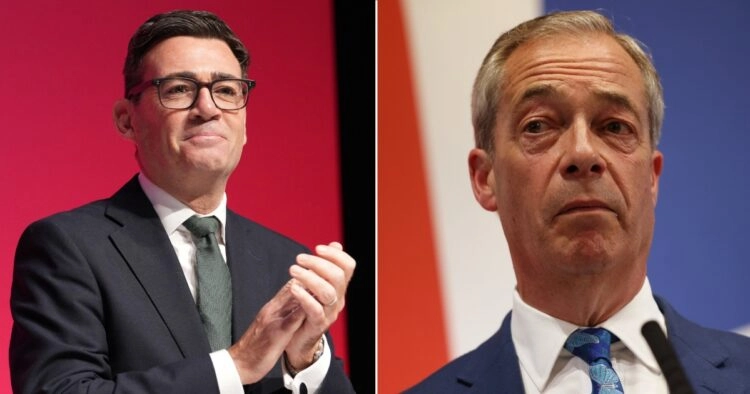
- Labour Extends Polling Advantage: The latest More in Common opinion poll, conducted between 13 and 15 November 2026, places the Labour Party on 29 per cent—up one percentage point from its previous survey on 9 November—giving it a four-point lead over the Conservatives.
- Conservatives Hold Steady, Reform UK Slides: The Conservative Party remains unchanged on 25 per cent, while Reform UK has dropped one percentage point to 19 per cent, placing it 10 points behind Labour and marking its lowest level of support in over two years.
- Performance of Smaller Parties: In the same More in Common survey shared by UK director Luke Tryl on X, the Liberal Democrats sit on 9 per cent, the Green Party gained one point to reach 8 per cent, Restore Britain stands in sixth place on 5 per cent, and the Scottish National Party (SNP) registers 3 per cent.
- Corroborating YouGov Data: A separate YouGov survey conducted on 8 and 9 November 2026 similarly placed Labour in front on 27 per cent, followed by the Conservatives on 21 per cent, Reform UK on 20 per cent, the Liberal Democrats on 12 per cent, and the Greens on 10 per cent.
- Record Prime Ministerial Favourability: Separate YouGov polling indicates that Prime Minister Andy Burnham’s favourability rating has climbed to 49 per cent—the highest level recorded for any serving prime minister since May 2020.
London (The Londoner News) November 18, 2026 – The Labour Party has widened its advantage over both the Conservative Party and Reform UK in the latest UK political opinion polling, edging closer to 30 per cent while Reform UK falls into the teens for the first time in over two years. According to fieldwork conducted by More in Common between 13 and 15 November 2026 and shared by the organisation’s UK director Luke Tryl, Labour rose by one percentage point to 29 per cent, establishing a four-point lead over the Conservatives at 25 per cent and a 10-point margin over Reform UK at 19 per cent. Parallel YouGov surveys reinforce Labour’s polling advantage and highlight strong personal approval ratings for Prime Minister Andy Burnham.
- How Are the Other Political Parties Performing in the Latest Survey?
- What Do Other Recent Polls Say About Voting Intentions and Leadership Ratings?
- How Do the More in Common and YouGov Voting Intention Polls Compare?
- Background of the Particular Development After the News
- How This Development Can Affect Political Strategists, Opposition Parties, and Parliamentary Governance
As reported by political correspondents covering the latest Westminster voting intention releases and shared by More in Common’s UK director Luke Tryl on X, the Labour Party has extended its lead over both the Conservatives and Reform UK in a new national opinion poll.
The latest survey by More in Common, conducted between 13 and 15 November 2026, puts Labour on 29 per cent, representing a one-percentage-point increase from its previous poll published on 9 November. The Conservative Party remains unchanged on 25 per cent, leaving Labour four points ahead. Meanwhile, Reform UK has slipped by one percentage point to 19 per cent—falling into the teens and recording its lowest level of public support in over two years, leaving the party 10 points behind Labour.
Responding to the figures in commentary reported by The Spectator, a senior Conservative figure stated: “The crossover has happened. Reform have been steadily slipping in the polls and now they’re holed under 20 per cent. There is only one party on the right, holding Labour to account every single day, and ready to step into No10 with a proper plan for government. It was fun while it lasted lads, but see ya later.” Conversely, Reform UK sources pointed to broader polling averages indicating that the party continues to maintain an edge over the Conservatives across aggregated surveys.
How Are the Other Political Parties Performing in the Latest Survey?
Beyond the top three contenders, the More in Common data shared by Luke Tryl outlines the standing of smaller national and regional parties across Great Britain:
- Liberal Democrats: Polling steady at 9 per cent of national voting intention.
- Green Party: Gained one percentage point from the previous survey, bringing its overall support to 8 per cent.
- Restore Britain: Placed sixth in the national ranking with 5 per cent support.
- Scottish National Party (SNP): Registered 3 per cent of the nationwide vote share.
What Do Other Recent Polls Say About Voting Intentions and Leadership Ratings?
A separate YouGov poll conducted on 8 and 9 November 2026 corroborated Labour’s position at the top of Westminster voting intention tables, placing Labour ahead on 27 per cent of the vote. In that survey, the Conservatives followed in second place on 21 per cent, just ahead of Reform UK on 20 per cent. The Liberal Democrats stood at 12 per cent, while the Green Party secured 10 per cent.
Political analysts emphasize that while both the More in Common and YouGov datasets place Labour ahead, these surveys provide a contemporaneous snapshot of public sentiment rather than a definitive prediction of the next general election.
Separately, political favourability polling released by YouGov and authored by Dylan Difford indicates that Prime Minister Andy Burnham’s personal favourability rating has risen to 49 per cent—up three percentage points from the previous month against 41 per cent unfavourable. Approaching four months in office following the resignation of predecessor Keir Starmer, Andy Burnham’s 49 per cent score represents the highest favourability rating recorded for any serving British prime minister since May 2020.
How Do the More in Common and YouGov Voting Intention Polls Compare?
A structured overview contrasts the party vote shares recorded across both polling agencies in November 2026:
| Political Party | More in Common (13–15 Nov 2026) | Change vs. 9 Nov 2026 | YouGov (8–9 Nov 2026) |
| Labour Party | 29% | +1% | 27% |
| Conservative Party | 25% | 0% | 21% |
| Reform UK | 19% | -1% | 20% |
| Liberal Democrats | 9% | 0% | 12% |
| Green Party | 8% | +1% | 10% |
| Restore Britain | 5% | — | 3% |
| Scottish National Party (SNP) | 3% | — | 3% |
Background of the Particular Development After the News
The shifting dynamics in British opinion polling follow a turbulent period in Westminster politics during 2026. Following declining approval ratings and internal party pressures, Keir Starmer resigned as Prime Minister earlier in the year, paving the way for Andy Burnham to assume leadership of the Labour Party and enter Downing Street roughly four months ago. Since taking office, Andy Burnham has experienced a sustained honeymoon period in personal approval metrics, bolstering Labour’s overall polling position.
Simultaneously, the British political right has remained sharply divided between Kemi Badenoch’s Conservative Party and Nigel Farage’s Reform UK. Having surged in earlier cycles, Reform UK’s drop below the 20 per cent threshold in the More in Common tracker signals heightened competition among opposition parties seeking to consolidate anti-government voters ahead of future electoral contests.
How This Development Can Affect Political Strategists, Opposition Parties, and Parliamentary Governance
The November 2026 polling figures and leadership ratings are projected to influence key political stakeholders across the United Kingdom:
1. Strategic Consolidation Pressure on the Political Right
For Conservative Party strategists and Reform UK campaign planners, Reform UK’s slide to 19 per cent alongside the Conservatives’ 25 per cent standing intensifies the battle to establish clear dominance as the primary opposition force capable of challenging Labour.
2. Legislative Confidence for Downing Street and Labour MPs
For Prime Minister Andy Burnham and Labour cabinet ministers, reaching 29 per cent voting intention alongside a 49 per cent personal favourability rating provides valuable political capital to advance domestic policy agendas while maintaining party discipline.
3. Resource Allocation for Smaller and Regional Parties
For campaign teams within the Liberal Democrats, the Green Party, Restore Britain, and the SNP, stable mid-to-low single- and double-digit polling numbers underscore the importance of targeted constituency campaigning rather than broad national swings.