
- First of Eight Winter Strikes Underway: London Underground train drivers in the Rail, Maritime and Transport (RMT) union began the first of eight non-consecutive 24-hour winter strikes from midday on Thursday, 26 November 2026 to 11:59 on Friday, 27 November 2026, affecting a network used by between 3 million and 4 million passengers per day.
- Suspended Lines and Early Network Closure: Three Tube lines are suspended—including the Piccadilly line, which connects central London to Heathrow Airport, alongside the Circle line and the Waterloo & City line (from midday)—while reduced services operate across the rest of the network, closing early on Thursday night with no service expected after 9pm and disruption continuing into Friday evening.
- Dispute Over Voluntary Four-Day Working Week: RMT general secretary Eddie Dempsey and the union oppose Transport for London’s (TfL) proposed voluntary four-day working week arrangements, arguing they force longer, more unpredictable shifts and erode long-standing agreements, whereas TfL director of customer operations Nick Dent said drivers have a meaningful choice and noted the proposal was accepted by fellow drivers’ union ASLEF.
- Further Winter Strike Dates and Alternative Transport: Two further 24-hour strikes are scheduled in mid-December (17–18 December and 19–20 December 2026), followed by walkouts in January (4–5 January and 6–7 January 2027) and February (17–18, 23–24 and 25–26 February 2027), while e-bike provider Lime (operating part of London’s 50,000 e-bikes) prepared for heightened demand.
London (The Londoner News) November 26, 2026 – London Underground drivers in the RMT union began the first of eight non-consecutive 24-hour winter strikes on Thursday, 26 November 2026, disrupting journeys for millions of passengers. Reported by Reuters (and carried on LSE), Gwyn Topham of The Guardian, The National, Time Out London and Transport for London (TfL), the walkout suspends three lines including the Piccadilly line to Heathrow Airport, closes services early on Thursday night and stems from a dispute over voluntary four-day week arrangements.
- Which London Underground Lines and Services Are Affected by the Strike?
- Why Are RMT Tube Drivers Striking Over the Voluntary Four-Day Working Week?
- When Are the Remaining Winter 2026 and Early 2027 Tube Strike Dates?
- Background of the Particular Development After the News
- How This Development Can Affect Commuters, Businesses and Transport Operators
As reported by Reuters on 26 November 2026 (and carried on LSE, alongside reporting by Gwyn Topham of The Guardian, The National, Time Out London and Transport for London), London’s underground rail network was set to face widespread disruption on Thursday, 26 November 2026 as staff began the first of eight non-consecutive days of strikes this winter, delaying journeys for millions of commuters.
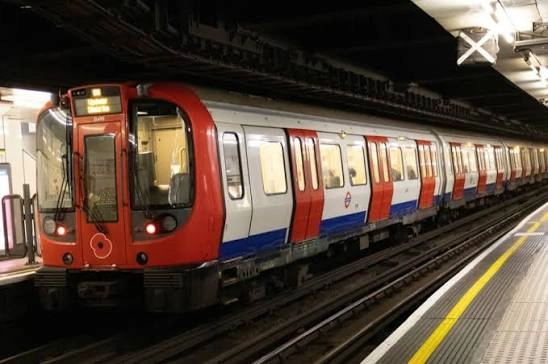
London’s extensive underground railway—known as “the Tube”—is used by between 3 million and 4 million passengers per day. The initial 24-hour strike runs from 12:00 on Thursday, 26 November 2026 to 11:59 on Friday, 27 November 2026, with services reduced from late morning on Thursday and disruption expected to persist until around 18:00 on Friday evening.
Which London Underground Lines and Services Are Affected by the Strike?
Reporting from Reuters on 26 November 2026, Gwyn Topham of The Guardian, The National, Time Out London and Transport for London (TfL) sets out the operational impact across the capital’s transport network:
- Suspended Tube Lines and Early Thursday Closure: As reported by Reuters and Gwyn Topham of The Guardian on 26 November 2026, three Underground lines are suspended during the action: the Piccadilly line (a major route connecting central London to Heathrow Airport) and the Circle line have no service all day on Thursday, while the Waterloo & City line closes from midday. London’s transport authority stated that the whole network faces disruption and reduced service, stopping early on Thursday night with no service expected after 9pm and disruption continuing into Friday evening.
- Other TfL Services and E-Bike Demand: According to Transport for London’s customer advisory (and Time Out London) on 26 November 2026, other TfL modes—including the Elizabeth line, Docklands Light Railway (DLR), London Overground, London buses and London Trams—are expected to continue operating, though they are likely to be busier than usual. Meanwhile, as reported by Reuters on 26 November 2026, Lime—one of the major providers of London’s 50,000 e-bikes—stated it was preparing for an increase in demand for its bikes, which rose during previous Tube strikes.
Why Are RMT Tube Drivers Striking Over the Voluntary Four-Day Working Week?
Coverage by Reuters, Gwyn Topham of The Guardian and Transport for London on 26 November 2026 details the competing arguments from the RMT union and TfL management:
- RMT Union Position and Statement From General Secretary Eddie Dempsey: As reported by Reuters on 26 November 2026, RMT—the union organising the strikes—stated that plans for new working arrangements around a voluntary four-day working week would worsen conditions for drivers by requiring them to drive trains for longer. As reported by Gwyn Topham of The Guardian on 26 November 2026, RMT general secretary Eddie Dempsey called the proposals a “wholesale attack on drivers’ working conditions”, adding there is “nothing voluntary” about the plan, and stated: “Our members are being asked to spend more time driving trains, accept longer and more unpredictable shifts and surrender agreements that have been negotiated and defended over many years.” Eddie Dempsey further stated: “This is not about improving work-life balance. It is about squeezing more work out of fewer drivers while giving management greater flexibility at the expense of our members”.
- Transport for London Response and Statement From Nick Dent: According to Transport for London’s press statement and Gwyn Topham of The Guardian on 26 November 2026, TfL director of customer operations for London Underground Nick Dent said drivers receive “a real, meaningful choice” to maintain five-day schedules, adding: “We continue to believe that the majority of the concerns from the RMT have now been resolved and we urge the RMT to put this proposal to their members”. Nick Dent also advised passengers: “In the meantime, we are asking customers to check before they travel and allow extra time for their journeys during this strike action”. TfL noted that the four-day working week proposal has already been accepted by ASLEF (the other union representing Tube drivers), retains a 35-hour working week with unchanged pay and holiday entitlements for those choosing the new five-day pattern, and has been checked with industry-standard fatigue tools.
When Are the Remaining Winter 2026 and Early 2027 Tube Strike Dates?
Reporting from Reuters, Gwyn Topham of The Guardian, The National and Transport for London lists all eight 24-hour strike windows (each running from 12:00 on the first day to 11:59 the following day, with disruption before and after):
| Strike Window | Scheduled Dates and Times (12:00 to 11:59) | Context in Coverage |
| November 2026 (1st Strike) | Thursday, 26 November – Friday, 27 November 2026 | Three lines suspended (Piccadilly, Circle, Waterloo & City from midday); network closes early Thursday (~9pm). |
| December 2026 (2nd & 3rd Strikes) | Thursday, 17 December – Friday, 18 December 2026; Saturday, 19 December – Sunday, 20 December 2026 | Two mid-December walkouts ahead of Christmas, affecting pre-Christmas shopping and travel. |
| January 2027 (4th & 5th Strikes) | Monday, 4 January – Tuesday, 5 January 2027; Wednesday, 6 January – Thursday, 7 January 2027 | Scheduled during the first full working week of the New Year. |
| February 2027 (6th, 7th & 8th Strikes) | Wednesday, 17 February – Thursday, 18 February 2027; Tuesday, 23 February – Wednesday, 24 February 2027; Thursday, 25 February – Friday, 26 February 2027 | Three final 24-hour winter stoppages planned across February 2027. |
Background of the Particular Development After the News
Industrial disputes over shift patterns, roster flexibility and working hours on the London Underground have recurred alongside broader negotiations between Transport for London and rail unions. As reported by Reuters and The Guardian, an Underground strike in September 2025 brought the Tube network to a standstill and caused widespread road congestion and disruption across the British capital, followed by several less disruptive strikes earlier in 2026—including walkouts in April and June 2026—as TfL negotiated new four-day and five-day roster options with ASLEF and the RMT.
How This Development Can Affect Commuters, Businesses and Transport Operators
The launch of eight non-consecutive winter strike days running from late November 2026 through February 2027 carries practical implications across several groups:
1. Daily Commuters and Heathrow Airport Travellers
For the 3 million to 4 million daily Tube passengers—particularly travellers relying on the suspended Piccadilly line to reach Heathrow Airport or commuting on the Circle and Waterloo & City lines—journeys will require route adjustments, earlier evening travel before network closures around 9pm and extra travel time on strike days and following mornings.
2. London Retail, Hospitality and Office Employers
For central London retailers, hospitality venues and employers—especially around the mid-December strikes on 17–18 December and 19–20 December ahead of Christmas and the early January return-to-work dates—reduced Underground services may alter footfall, shift scheduling and remote-working arrangements.
3. Alternative Transport Providers and TfL Management
For surface transport operators—including the Elizabeth line, London Overground, DLR, buses, trams and e-bike operators such as Lime—higher passenger volumes on strike days will test capacity, while TfL and RMT leadership face ongoing pressure to resolve the roster dispute before December’s walkouts.