
- Saturday Opening at Smithfield Market: The London Museum will reopen on Saturday, 28 November 2026, at a restored Victorian market in the City of London’s historic Smithfield Market after shutting its main Barbican site in 2022.
- £437 Million Decade-Long Transformation: Drawing on a collection of 7 million objects, the £437 million relocation project—more than a decade in the making and coinciding with the museum’s 50th anniversary—returns the disused Victorian General Market building to public use for the first time in more than 30 years.
- Roman Tablets and Underground Vaults: The galleries trace the start of London’s urban history through Roman tablets featuring the earliest written reference to the city, with a further exhibition of Roman artefacts—received last year after excavations over a decade ago—scheduled to open next year in a rediscovered network of underground vaults.
- Cheapside Hoard and King Charles I’s Vest: Reopening displays include the fullest-ever presentation of the 17th-century Cheapside Hoard of jewels from India, Latin America, and the Middle East—found near St Paul’s Cathedral in 1912—and a vest thought to have been worn by King Charles I at his 1649 execution, returning on display for six months.
- Contemporary Objects and Gallery Layout: Modern exhibits include Banksy’s “Piranhas” police sentry box, the guitar smashed on stage in 1979 by The Clash bassist Paul Simonon, and a sample of the Whitechapel fatberg across time-themed spaces—Real Time, Our Time, and Past Time—with free admission to permanent galleries and a second phase in the neighbouring Poultry Market set to open in 2028.
London (The Londoner News) November 24, 2026 – The London Museum will reopen on Saturday, 28 November 2026, inside the restored Victorian General Market at Smithfield following a £437 million relocation from the Barbican that took more than a decade and brings the building back into public use after over 30 years. Drawing on a 7-million-object collection, the museum spans Roman writing tablets, the 17th-century Cheapside Hoard, a vest linked to King Charles I’s 1649 execution, Banksy’s “Piranhas” police box, and Paul Simonon’s 1979 guitar. Director Sharon Ament highlighted the enduring human connection in London’s earliest surviving written voices.
- What Historical Artefacts and Contemporary Exhibits Are on Display at the Reopened Museum?
- How Did Museum Leadership and London Officials Describe the Smithfield Relocation?
- How Do the Key Milestones, Costs, and Exhibits of the New London Museum Compare?
- Background of the Particular Development After the News
- How This Development Can Affect Visitors, Researchers, and Smithfield’s Cultural Quarter
As reported by Reuters, The Guardian (by architecture critic Oliver Wainwright), The Art Newspaper, and Blooloop, the London Museum will reopen at a restored Victorian market on Saturday, 28 November 2026, tracing thousands of years of life in the city through Roman tablets capturing its earliest surviving voices, a display of Elizabethan jewels, and a Banksy police box.
The institution, which holds a collection of 7 million objects, closed its previous main site at the Barbican in 2022 to relocate to the City of London’s historic Smithfield Market. The £437 million project—more than a decade in the making and arriving in the museum’s 50th anniversary year—returns the Victorian General Market building to public use for the first time in more than 30 years.
What Historical Artefacts and Contemporary Exhibits Are on Display at the Reopened Museum?
Reporting from Reuters, The Art Newspaper, The Guardian, and Blooloop details the breadth of objects spanning Roman London through modern street culture and urban infrastructure:
- Roman Tablets and Future Underground Vaults Exhibition: The museum opens its story of London’s urban history with Roman tablets from one of Britain’s most significant collections, including the earliest known written reference to the city. As reported by Reuters, director Sharon Ament stated: “To see those first Londoners talking about London in that very first moment is so powerful. And what we realised is that they were just like us”. A further exhibition of Roman artefacts—received by the museum last year after being uncovered in excavation works over a decade ago—will open next year in a rediscovered 800-square-metre network of underground vaults.
- The Cheapside Hoard and King Charles I’s Vest: The reopening presents the fullest display yet of the Cheapside Hoard—dazzling Elizabethan and Jacobean jewels sourced from India, Latin America, and the Middle East that were buried in the 17th century and uncovered by workmen near St Paul’s Cathedral in 1912. Alongside it, a silk vest thought to have been worn by King Charles I when he was beheaded in central London in 1649—ushering in a short-lived republic—returns to public view for six months.
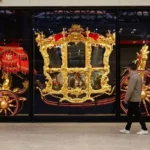
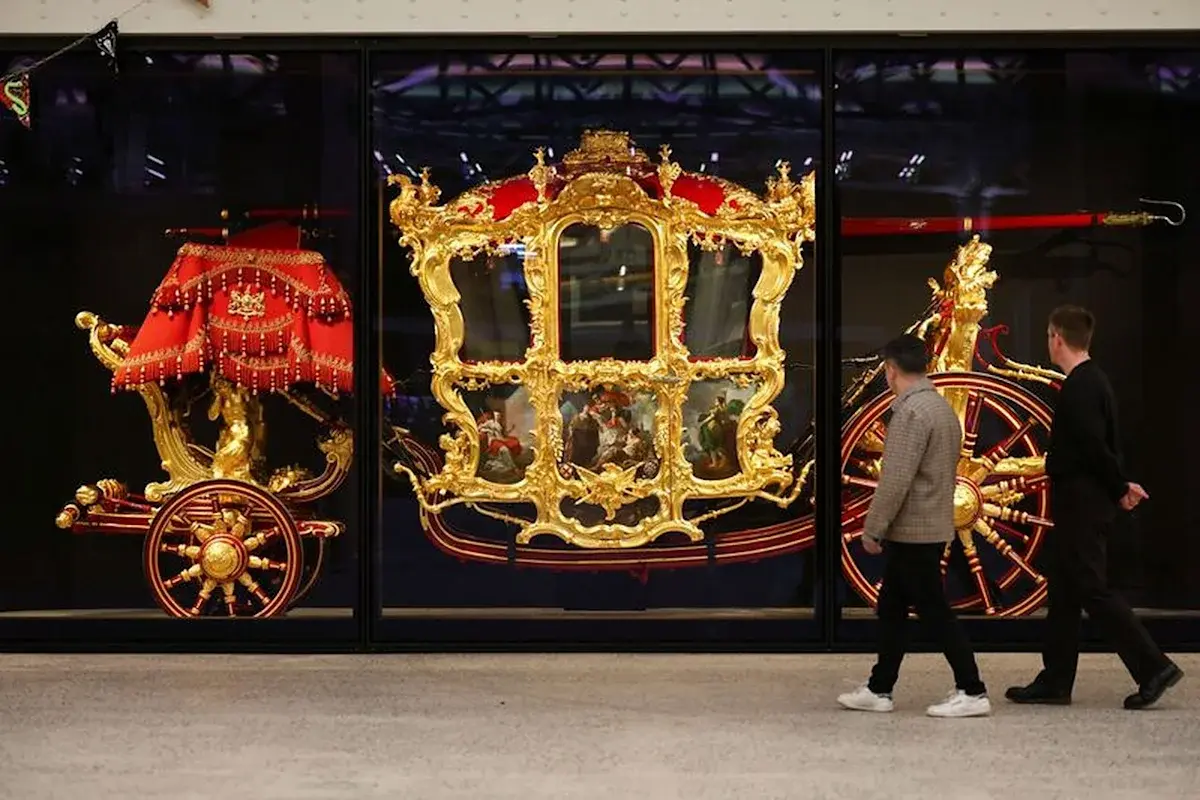
- Banksy’s “Piranhas”, The Clash, and Urban Curiosities: Contemporary displays feature Banksy’s “Piranhas”—a City of London police sentry box spray-painted with fish to cheer up Londoners—and the guitar that Paul Simonon of London punk band The Clash smashed on stage in 1979. Additional reports from The Art Newspaper and The Guardian note displays including Emmeline Pankhurst’s 1912 hunger strike medal, a preserved section of the Whitechapel fatberg, the Lord Mayor’s Coach, Syd’s Coffee Stall, and a six-metre subterranean viewing window looking onto passing Thameslink trains.
How Did Museum Leadership and London Officials Describe the Smithfield Relocation?
Coverage across Reuters, Blooloop, The Art Newspaper, The Guardian, and Energy Radio records statements from museum leadership and city figures ahead of the public launch:
- Director Sharon Ament on the Decade-Long Project and City Character: As reported by Blooloop, London Museum director Sharon Ament stated: “After a decade of imagining, planning, building, and creating, it is extraordinary to finally throw open the doors and welcome people into our new home in Smithfield”. As reported by The Art Newspaper, Sharon Ament also explained the museum’s time-based layout—divided across Real Time, Our Time, Past Time, and Night Time—stating: “We are using time as an organising principle, so our major spaces all behave differently with their own emphasis, objects and vibe”. In remarks reported by Energy Radio, Sharon Ament said the museum aims “to be London itself, in all its grit and glitter”.
- Transformation Leadership and Mayoral Reaction: As reported by The Guardian, director of transformation Alec Shaw noted that while the former Barbican site drew 700,000 visitors annually, repeat visits were limited—stating: “We still got 700,000 visitors a year. But they wouldn’t come back”. Meanwhile, as reported by Energy Radio, Mayor of London Sadiq Khan stated that the new venue will “reinforce our status as the culture capital of the world”.
- Phased Opening Through 2028: While permanent galleries inside the 1880s Victorian General Market open with free entry on Saturday, 28 November 2026 (with late openings until 23:00 on Fridays and Saturdays), the neighbouring 1960s Poultry Market—housing two temporary exhibition galleries, a learning centre, and an interactive collections store—is scheduled to open in 2028.
How Do the Key Milestones, Costs, and Exhibits of the New London Museum Compare?
A structured summary outlines the core figures, timelines, and featured exhibits reported across the reopening coverage:
| Category / Aspect | Reported Details & Figures | Context / Sources |
|---|---|---|
| Opening Date & Location | Saturday, 28 November 2026; Victorian General Market, Smithfield (City of London) | Replaces former Barbican main site (closed in 2022); building disused for 30+ years. |
| Project Cost & Timeline | £437 million; more than a decade in development; 50th anniversary year | Phase two in neighbouring Poultry Market scheduled to open in 2028. |
| Collection & Admission | 7 million objects in total collection; free entry to permanent galleries | Organised across Real Time, Our Time, Past Time, and Night Time zones. |
| Featured Historical Objects | Roman writing tablets; Cheapside Hoard (found 1912); King Charles I vest (1649) | Charles I vest on display for 6 months; additional Roman vault exhibition opens next year. |
| Featured Modern Objects | Banksy’s “Piranhas” police box; Paul Simonon’s smashed 1979 guitar; Whitechapel fatberg | Alongside Emmeline Pankhurst’s 1912 medal and 6-metre Thameslink viewing window. |
Background of the Particular Development After the News
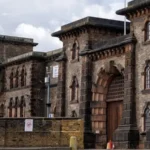
Formerly known as the Museum of London, the institution closed its long-standing Barbican premises in 2022 to pursue a £437 million relocation into the historic market buildings at West Smithfield in the City of London. Smithfield’s Victorian General Market had stood disused for more than three decades prior to the conservation and redevelopment effort, which preserved heritage features including original shopfronts, Horace Jones’s Victorian dome, and subterranean vaults.
Timed to coincide with the museum’s 50th anniversary, the Smithfield transformation was designed to bring the institution’s 7-million-object collection closer to major transport links at Farringdon and Barbican while pairing free permanent galleries with evening programming and a second-phase expansion into the Poultry Market in 2028.
How This Development Can Affect Visitors, Researchers, and Smithfield’s Cultural Quarter
Reopening the London Museum at Smithfield carries practical implications for several groups across London and the heritage sector:
1. London Residents, Families, and International Visitors
For local residents, school groups, and tourists, free access to the permanent galleries—alongside Friday and Saturday evening hours until 23:00 and time-limited displays such as King Charles I’s vest for six months—offers an accessible cultural destination near Farringdon Station.
2. Archaeologists, Historians, and Heritage Professionals
For researchers and museum practitioners, the upcoming 2027 exhibition of excavated Roman artefacts in the restored underground vaults and the planned 2028 opening of an interactive collections store and learning centre in the Poultry Market expand public and scholarly access to London’s archaeological record.
3. Smithfield and City of London Businesses and Cultural Venues
For restaurants, markets, and cultural venues around West Smithfield and Farringdon, returning a prominent Victorian landmark to public use after more than 30 years is set to increase daytime and evening footfall across the surrounding City of London neighbourhood.