Key Points
- Funding Allocation: Ten community organisations across nine London boroughs will each receive up to £10,000 from the National Lottery Heritage Fund, distributed through City Hall’s Sites of Memory programme.
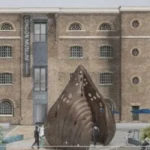
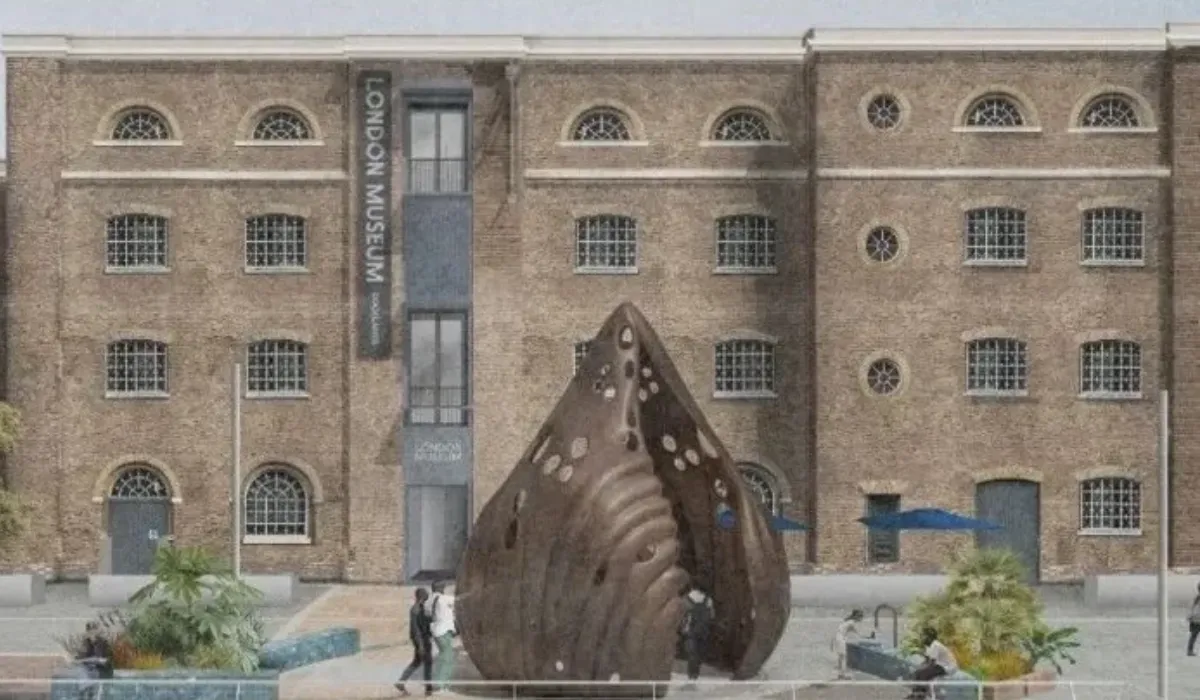
- Central Landmark: Planning permission was granted this month for The Wake, a near-seven-metre (23ft) bronze cowrie shell sculpture designed by artist Khaleb Brooks, to be installed at West India Quay in the Docklands.
- Borough Initiatives: Local projects include a Camden touring exhibition on freedom fighters, a Waltham Forest storytelling initiative, five guided walks in the City of London, and research by the Deptford People’s Heritage Museum into colonial dockyards and African-Caribbean resistance.
- Symbolism: The cowrie shell, historically used as currency during the slave trade, is reclaimed in these memorials to symbolise resilience, connection, and a place of refuge.
- Official Statements: Mayor of London Sadiq Khan noted the capital’s role in the trade had long lacked full acknowledgment, while Deputy Mayor Debbie Weekes-Bernard emphasized that public spaces must reflect the stories of all communities.
London (The Londoner News) October 23, 2026 – Victims of transatlantic slavery are set to be commemorated across London through a series of walking tours, exhibitions, and local research projects tied to a major new landmark sculpture. Ten grassroots organisations across nine London boroughs will each receive up to £10,000 to establish localized memorials linked to The Wake, a near-seven-metre bronze cowrie shell sculpture that received planning permission this month for installation at West India Quay. Financed by the National Lottery Heritage Fund and distributed via City Hall’s Sites of Memory programme, the initiative aims to address a long-standing imbalance in the capital’s public realm by highlighting the lives and resistance of enslaved Africans.
- What Is The Wake and How Will It Serve as London’s Central Slavery Memorial?
- Which Local Borough Projects Are Receiving Funding Under the Sites of Memory Programme?
- How Have City Leaders and Officials Reacted to the Memorial Announcement?
- Background of the Particular Development
- How Will This Development Affect London Communities, Educators, and Visitors?
What Is The Wake and How Will It Serve as London’s Central Slavery Memorial?
As reported by media coverage on the capital’s public realm updates, The Wake, created by artist Khaleb Brooks, will be London’s first major public memorial dedicated specifically to the victims of transatlantic slavery. The central installation features a near-seven-metre (23-foot) bronze cowrie shell sculpture situated at West India Quay in the Docklands—a location historically constructed to receive goods produced through enslaved labour.
Explaining the cultural and historical resonance of the chosen form, media outlets reported that cowrie shells hold deep spiritual significance in African tradition but became a stark symbol of human exploitation after being used as currency in the slave trade.
Describing the purpose of the artwork, artist Khaleb Brooks stated:
“The Wake is a remembrance vessel, where rest and refuge are possible.”
Khaleb Brooks further added that the network of memorial sites across the capital would function as “monuments of connection offering a sense of belonging to our future generations”. Smaller satellite memorials inspired by the central cowrie shell will be positioned across various London boroughs based on the historical findings of local community groups.
Which Local Borough Projects Are Receiving Funding Under the Sites of Memory Programme?
Under City Hall’s Sites of Memory programme, ten community organisations operating across nine London boroughs are being granted up to £10,000 each. The grants, supported by the National Lottery Heritage Fund, are structured to empower local groups to research and publicly present regional historical connections to transatlantic slavery.
According to details released by City Hall and reported across London news outlets, the funded projects cover a diverse range of public engagement initiatives:
- Camden: A touring public exhibition documenting individuals who actively fought for liberation and freedom.
- Waltham Forest: A community storytelling project exploring the specific historical links between the borough and the transatlantic slave trade.
- City of London: Five guided walking tours unearthing the Black history embedded within the capital’s financial center.
- Deptford: The Deptford People’s Heritage Museum will document the colonial history of Deptford Dockyard alongside stories of resistance by African and Caribbean communities who resided nearby.
City Hall officials pointed out that while London possesses numerous historical monuments acknowledging the vast financial wealth generated by the trade, there has historically been very little in the public realm to commemorate the millions of enslaved Africans whose labor generated those fortunes.
How Have City Leaders and Officials Reacted to the Memorial Announcement?
London civic leaders highlighted the significance of reshaping the capital’s public monuments to provide a more accurate and inclusive historical record.
In a public statement regarding the capital’s historical legacy, Mayor of London Sadiq Khan stated that London’s direct involvement in the transatlantic slave trade had for too long “not been fully acknowledged”.
Reaffirming the administration’s policy on diversity in public spaces, Deputy Mayor for Communities Debbie Weekes-Bernard stated that the capital’s shared public spaces “should reflect the stories and experiences of every community”.
Background of the Particular Development
The establishment of The Wake and the accompanying Sites of Memory grants stem from broader municipal efforts initiated by City Hall to review diversity across London’s public realm. Following global discussions surrounding historic statues and public monuments, the Commission for Diversity in the Public Realm was formed to ensure the capital’s landmarks better reflect its complex history and diverse population.
Historically, major maritime hubs across the United Kingdom—including London, Liverpool, and Bristol—played central roles in financing, shipping, and processing goods tied to the transatlantic slave trade. While educational institutions such as the London Museum Docklands have presented permanent exhibits on the subject, civic spaces in London have lacked a dedicated, large-scale public memorial focused on the victims and resistance movements of enslaved Africans. The approval of planning permission for West India Quay marks the culmination of multi-year community consultations, architectural site planning, and artistic selection processes funded by public and national heritage resources.
How Will This Development Affect London Communities, Educators, and Visitors?
The rollout of The Wake alongside borough-level Sites of Memory installations is expected to influence several public and cultural sectors across the capital:
For Local Communities and Grassroots Historians
The distribution of micro-grants to borough-level organisations provides community historians, elders, and youth groups with direct financial support to document localized Black British history. By linking neighborhood walking trails and museum exhibits in places like Deptford, Camden, and Waltham Forest directly to the central monument at West India Quay, local communities gain enduring platforms to preserve stories of resistance and heritage that might otherwise remain overlooked.
For Schools, Educators, and Cultural Institutions
The network of physical markers and guided walks creates tangible educational resources for primary and secondary schools across London. History educators will be able to incorporate local field trips and primary-source material into national curriculum studies regarding colonialism, the slave trade, and abolition, helping students connect global historical events to the specific streets and docklands of their own city.
For Tourists and Public Realm Engagement
For international and domestic visitors, The Wake will establish a prominent reflective landmark within the Docklands financial district. The integration of the near-seven-metre bronze shell at West India Quay alters the architectural landscape of the area, prompting visitors to engage with the historical origins of London’s commercial wealth while establishing a permanent space for public gathering and quiet contemplation.