
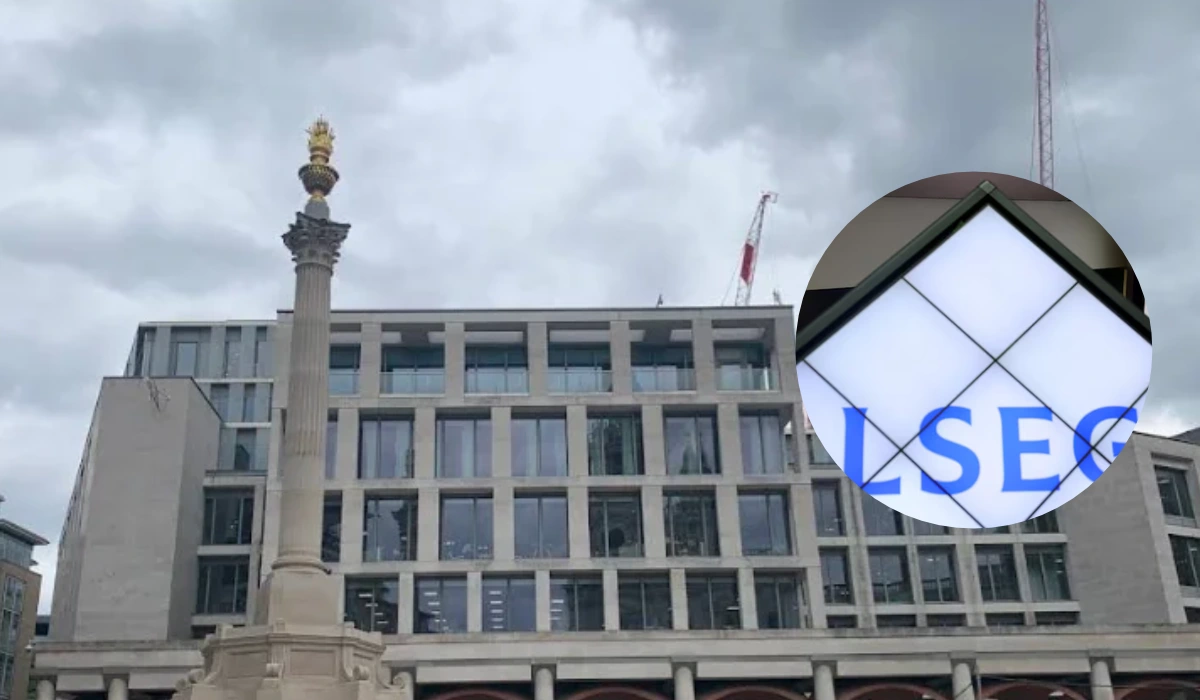
Key Points
- The London Stock Exchange Group (LSEG) has agreed to acquire credit data specialist Octus for $3.54 billion in cash, marking its largest corporate acquisition in seven years.
- The transaction is strategically designed to fortify LSEG’s data and analytics portfolio against artificial intelligence-driven margin pressures and market disruption.
- LSEG Chief Executive Officer David Schwimmer emphasised that Octus provides highly specialised proprietary data that large language models (LLMs) cannot access or scrape from public domains.
- Following the announcement, LSEG shares surged by 6 per cent, effectively eliminating year-to-date losses and placing the stock up 4 per cent for 2026.
- The acquisition will be funded through external debt and is expected to be neutral to adjusted earnings in the first full year before becoming accretive.
- Chief Financial Officer Michel-Alain Proch confirmed that Octus is projected to contribute between $300 million and $320 million to annual revenue this year.
- Concurrent with the deal, LSEG raised its annual guidance for organic total income growth to at least 8 per cent at constant currencies and outlined capacity for up to £1.5 billion ($2.01 billion) in additional share buybacks for 2027.
- The transaction comes amidst ongoing engagement with activist hedge fund Elliott Investment Management, which disclosed a stake in LSEG in February 2026.
LONDON (The Londoner News) October 22, 2026 – The London Stock Exchange Group (LSEG) has announced a definitive agreement to acquire credit market data firm Octus for $3.54 billion, executing its largest transaction in seven years as part of an aggressive strategy to insulate its core business against artificial intelligence-led market disruption. The all-cash deal, announced alongside a strong third-quarter trading update on Thursday, aims to significantly expand LSEG’s footprint across fixed income, distressed debt, and private credit intelligence. Funded via external debt, the transaction is expected to be earnings-neutral in its first full year post-completion and accretive thereafter, while providing a direct boost to group revenues.
- Key Points
- Why is LSEG Pursuing the Acquisition of Octus to Counter AI Disruption?
- How Has the Financial Market Reacted to the Transaction and Earnings Update?
- What Role Have Activist Investors and Financial Advisors Played in the Deal?
- What is the Background of This Particular Development?
- How This Development Will Affect Financial Institutions and Market Data Consumers?
Why is LSEG Pursuing the Acquisition of Octus to Counter AI Disruption?
The acquisition represents a tactical defense mechanism for LSEG as capital markets rapidly adopt generative artificial intelligence, creating investor anxiety that standard financial data feeds could become commoditised or squeezed on margins.
Addressing the strategic rationale behind the purchase, Chief Executive Officer David Schwimmer highlighted the unique value of Octus’ human-curated data assets. As reported by Reuters, Schwimmer stated that the transaction gave LSEG access to Octus’ highly specialised proprietary data, which no large language model was “going to be able to scoop … up anywhere”. Schwimmer further elaborated during an investor conference call: “We have looked at many deals over the last five years, and very few made the cut. In terms of strategic fit or financial return, these acquisitions do both”.
Octus, which was backed by private equity group Permira, employs specialized journalists, financial analysts, and legal experts to generate granular intelligence on credit markets, focusing primarily on corporate restructuring and distressed assets for institutional investors and investment banks. LSEG noted in an official release that Octus’ product set and customer coverage “are highly complementary” to its existing fixed-income solutions, including its Tradeweb marketplace and Yield Book analytics platforms.
How Has the Financial Market Reacted to the Transaction and Earnings Update?
Following the combined announcements of the Octus purchase, an upgraded revenue outlook, and additional share repurchase plans, LSEG shares jumped 6 per cent in London trading. The surge erased all year-to-date share losses, leaving the equity up 4 per cent for 2026, though still trading approximately 24 per cent below its 2025 high-water mark due to previous AI-related market volatility.
Financially, LSEG Chief Financial Officer Michel-Alain Proch confirmed to investors that Octus will generate between $300 million and $320 million in revenue this year. Commenting on the market response, analysts at JPMorgan stated in an investor note: “We think this is a good print, and the revision of the targets, combined with the announcement of potential additional buybacks, despite the planned acquisitions by the Group, should be well received today”.
In its third-quarter financial update, LSEG upgraded its full-year guidance, forecasting organic total income (excluding recoveries) to grow by at least 8 per cent at constant currencies, raising the bar from its previous forecast range of 7 per cent to 7.5 per cent. The group also reaffirmed that its current share buyback programme will conclude by February 2027, noting it retains financial capacity for further repurchases ranging between £1 billion and £1.5 billion ($1.34 billion to $2.01 billion) next year.
What Role Have Activist Investors and Financial Advisors Played in the Deal?
The strategic move coincides with persistent scrutiny from activist investor Elliott Investment Management, which disclosed a substantial stake in LSEG in February 2026 and has pushed for portfolio optimization and capital returns. While Elliott did not issue a public comment on the Octus acquisition, LSEG previously indicated that it maintains “good, constructive dialogue with Elliott” regarding corporate strategy.
Transaction advisory was led by major global financial institutions. Morgan Stanley acted as the lead financial advisor to LSEG. On the sell side, Evercore and Goldman Sachs advised Octus’ shareholders, including majority owner Permira.
What is the Background of This Particular Development?
The $3.54 billion purchase of Octus represents LSEG’s largest acquisition since its landmark $27 billion purchase of Refinitiv from Thomson Reuters in 2019. That mega-merger transformed LSEG from a traditional national stock exchange operator into a global financial data, analytics, and news distribution powerhouse, establishing LSEG as the primary commercial distributor of Reuters news content.
However, the rapid acceleration of generative AI platforms in recent years created structural headwinds across the market data industry. Investors grew concerned that financial terminals, data feeds, and basic analytical software could face margin compression as AI algorithms lower the cost of gathering public financial information. In response, LSEG has actively pursued a dual strategy: partnering with technology giants to deploy internal AI models across its Workspace platform, while aggressively acquiring proprietary, non-public data sets—such as Octus’ specialized private credit and legal restructuring data—that cannot be legally or practically scraped by third-party AI systems.
How This Development Will Affect Financial Institutions and Market Data Consumers?
The acquisition of Octus by LSEG is expected to significantly alter the market dynamics for institutional investors, credit analysts, and corporate debt markets:
- Institutional Investors and Credit Traders: Financial institutions operating in private credit, leveraged finance, and distressed debt will gain access to an integrated ecosystem combining Octus’ deep intelligence with LSEG’s fixed-income execution tools (such as Tradeweb). This integration will likely streamline trading workflows and pricing analytics across complex credit instruments.
- Market Data Competitors and AI Developers: The transaction reinforces a growing divide in the market data sector between public data aggregators and proprietary data owners. As LSEG locks up specialized, human-curated credit intelligence behind subscription walls, financial AI developers will face higher costs and licensing barriers to access high-value credit data, accelerating consolidation among niche data providers.
- LSEG Shareholders and Debt Holders: While the acquisition increases LSEG’s leverage ratio in the short term due to external debt financing, the added high-margin revenue and expanded share buyback capacity ($1.34 billion to $2.01 billion in 2027) offer strong downside protection and earnings accretion as the integration progresses.