Key Points
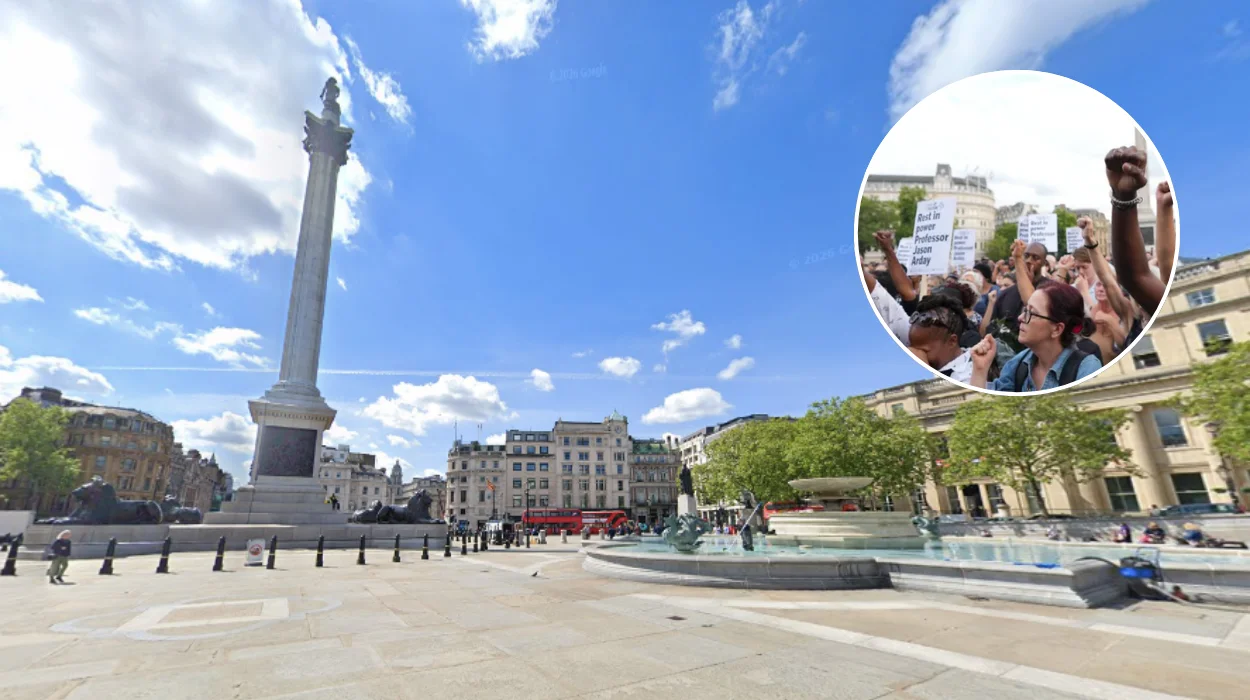
- Enormous Vigil: On August 18, 2026, an enormous number of people gathered in London’s Trafalgar Square to mourn the death of the late Cambridge professor, Jason Arday.
- Media Outrage: This event was characterized by profound rage against the way Professor Arday was treated by the media throughout his lifetime.
- Alleged Vicious Attack: Those addressing the vigil made clear accusations of vicious attack against Professor Arday in the press.
- Calls for Public Inquiry: This event became a venue for further calls for the public inquiry into the context of his work and the public debate around it.
- Legacy and Influence: The late professor is well-known in academia as an influential personality whose death sparked a larger debate around issues of racism and discrimination on a national level.
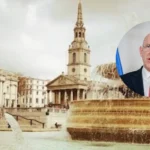
London (The Londoner News) August 18, 2026 — Thousands of mourners filled London’s historic Trafalgar Square on Tuesday to pay their final respects to Jason Arday, the celebrated Cambridge professor whose untimely death has become a flashpoint for widespread public anger. The vigil, which brought central London to a standstill, saw an outpouring of grief and frustration, as attendees demanded answers regarding the media’s treatment of the academic in the lead-up to his passing.
Who was Professor Jason Arday and why is his death causing such a reaction?
Professor Jason Arday was a prominent and pioneering academic at the University of Cambridge. Known for his intellectual rigour and his commitment to addressing systemic issues within higher education, his career was marked by significant contributions to the understanding of race, inequality, and institutional structures.
His death has resonated far beyond the walls of the lecture theatre, acting as a catalyst for a national debate on the intersection of race, professional integrity, and media conduct in the United Kingdom. As reported by the news desk of Al Jazeera English, the atmosphere in Trafalgar Square was one of profound mourning intermingled with palpable indignation. The scale of the turnout reflects the high regard in which he was held by students, colleagues, and the wider public, who feel that his professional challenges were exacerbated by an unceasing and hostile media environment.
What are the specific allegations being made against the media?
The central theme of the vigil was not merely one of remembrance, but of confrontation. Speakers took to the podium to articulate the collective sentiment that Professor Arday was subjected to unfair and relentless pressure.
According to reports broadcast by Al Jazeera English, speakers at the vigil levelled direct and stinging criticisms at the media. They accused elements of the press of waging a “vicious campaign” against the professor, arguing that this coverage went beyond legitimate professional scrutiny and crossed into personal harassment and character assassination.
The allegations centre on the premise that the media discourse surrounding Professor Arday was influenced by racial prejudice, which in turn placed an intolerable burden on him. The gathering provided a platform for these grievances to be aired, highlighting the perceived power imbalance between influential media outlets and the individual academic.
Why is there a call for a public inquiry?
The calls for a public inquiry are rooted in the belief that the public deserves a full account of the systemic factors that contributed to the difficulties faced by Professor Arday. Proponents of an inquiry argue that a formal investigation is necessary to address the broader issues of institutional racism and the responsibility of the media to adhere to ethical standards when reporting on individuals from marginalised backgrounds.
The vigil attendees expressed a clear desire for accountability. As framed by the discourse captured in the Al Jazeera English report, the call for an inquiry is seen as a mechanism to ensure that the challenges Professor Arday faced are not repeated and that there is a transparent examination of how his public image was constructed and contested.
Explore more Central London News:
Two New Wetherspoon Pubs Opening in Central London 2026
Madonna’s Triumphant Celebration Tour Resumes at London O2 Arena 2023
How is the academic and public community responding to this event?
The response from the academic community and the public has been one of solidarity. In the wake of his death, many have taken to social media and public forums to express their shock and to share their own experiences with similar systemic pressures.
The gathering in Trafalgar Square served as a visual manifestation of this support. The diversity of the crowd—comprising students, fellow academics, civil rights activists, and ordinary members of the public—underscored the broad-reaching impact of Professor Arday’s work and the collective desire to challenge the status quo.
The event underscores a critical moment for British institutions, particularly media organisations and universities, as they face renewed pressure to examine their own conduct and the ways in which they engage with Black scholars and public figures.
What is the broader context of these events?
The vigil for Professor Arday occurs against a backdrop of increasing tensions regarding media bias and racial equity in the UK. Many commentators and activists have long argued that there is a systemic failure within the British media to provide balanced and non-prejudicial coverage of minority professionals.
The tragedy of Professor Arday’s passing has brought these issues into sharp relief, transforming a moment of individual loss into a broader movement demanding change. While the immediate focus remains on the specific circumstances of his life and death, the long-term implications for media regulation and institutional culture in Britain are likely to be debated for some time.
As the nation reflects on the life and work of Professor Arday, the events of August 18, 2026, will likely be viewed as a pivotal moment in the ongoing struggle for equity and respectful discourse within the public sphere. The demand for an inquiry remains a focal point, as supporters hope to turn their grief into a tangible mechanism for accountability and systemic reform.
The silence that fell over Trafalgar Square during moments of the vigil stood in stark contrast to the vociferous accusations levelled against the press—a testament to the complex emotions of a public seeking justice for a man whose intellect and influence left an indelible mark on the landscape of British higher education.