

Key Points
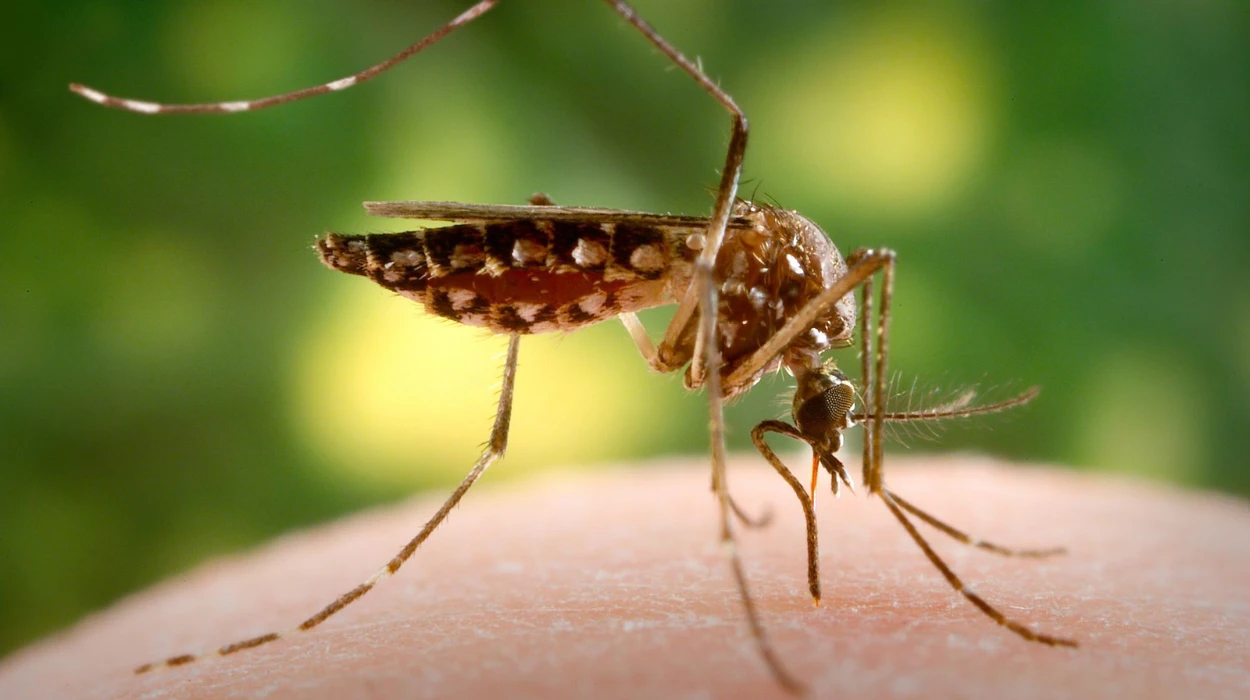
- Invasive Species Found: The Aedes aegypti mosquitoes that cause the spread of diseases like dengue fever, chikungunya fever, and Zika virus have been detected breeding at residential premises in East London.
- First Record of Breeding: As per reports cited by senior reporter Rafi Mauro-Benady of MyLondon, this is the first ever record of such particular breed of mosquito being found to breed in the United Kingdom.
- Breeding Alerted By: It has been revealed by the UK Health Security Agency’s (UKHSA) “Mosquito Watch” citizen science project for mosquito detection.
- Introduced Accidentally: Health officials think that these mosquitoes came as an accident during imports in bags, cars, or plants from tropical areas.
- Immediate Action: Quick action has been taken to kill any larvae that exist, and the environmental health department is keeping an eye on the location.
- Public Health Risk Assessment: According to the UKHSA, the risk from a public health standpoint is very low since there is no indication that the mosquito or larvae have infected anyone nor moved into public areas at all.
- Climate Conditions: It is worth noting that while current winter conditions in the UK may be too cold to sustain the colonies, climate change will bring more incursions.
London (The Londoner News) September 4, 2026 — Public health authorities have launched an urgent investigation and enacted stringent control protocols after an invasive species of mosquito capable of carrying severe tropical diseases was discovered breeding inside residential homes in East London. The discovery marks a landmark moment for UK entomology, representing the first time that Aedes aegypti—widely recognized as a vector for dengue, chikungunya, yellow fever, and Zika virus—has been verified as actively reproducing on British soil. While government bodies and independent scientists have rushed to reassure the local community that immediate containment measures are well underway, the revelation has reignited wider conversations regarding climate change, global trade, and the changing profile of vector-borne disease risks in northern Europe.
How Did the Invasive Mosquitoes Arrive in East London?
As reported by senior reporter Rafi Mauro-Benady of MyLondon, the initial detection was flagged through the UKHSA’s specialized “Mosquito Watch” scheme, a public surveillance framework set up to trace invasive species. Officials believe the insects did not fly over independently, but rather arrived through accidental importations.
Detailing the mechanics of the introduction, an official UKHSA briefing highlighted by MyLondon noted that invasive mosquitoes frequently “hitchhike” across borders. As stated in the official assessment,
“We believe these mosquitoes are accidental importations. Invasive mosquitoes can hitchhike in vehicles, baggage and imported plants, and if they find a suitable climate, can survive.”
Because Aedes aegypti normally thrives exclusively in warm tropical and subtropical climates, finding them established within residential living spaces in the British capital caught local health monitoring teams by surprise. In response to the finding, specialized control measures were deployed rapidly to neutralize local larvae pools and sweep the surrounding neighborhood for any further signs of the insect.
Explore more East London News:
Invasive Mosquitoes Found Breeding in East London 2026
Tigermilk Brings Hacienda Grandeur to Spitalfields London 2026
What Are the Immediate Risks to Public Health?
As anxiety surrounding the presence of a potentially fatal disease vector mounts among local residents, health experts have heavily emphasized that the immediate danger to the general public remains extremely low.
Addressing the safety landscape, Dr Jolyon Medlock, Head of Medical Entomology at the UKHSA, stated as reported by MyLondon:
“There is no evidence that these mosquitoes have caused human infections and, importantly, to date, there is no evidence of the mosquitoes or larvae being detected in nearby public areas.”
Echoing these reassuring sentiments, Dr César López-Camacho from the Nuffield Department of Medicine at the University of Oxford spoke to the press about the nature of the discovery. As reported by MyLondon, Dr César López-Camacho described the event as an “important finding” but firmly stressed that it is “not one to worry about” on an individual panic level.
Despite the low immediate threat, authorities are taking no chances. The UKHSA has urged residents within the affected zones to proactively mitigate any potential breeding grounds around their properties. Dr Jolyon Medlock advised the public via MyLondon:
“As a precaution, residents can help reduce opportunities for all species of mosquitoes to breed by removing standing water from gardens and outdoor spaces, including water that collects in buckets, containers, paddling pools and plant pots.”
Will Climate Change Bring More Invasive Mosquitoes to the UK?
While the current outbreak is being aggressively managed and contained, scientists warn that this incident might act as a preview of shifting environmental conditions. Multiple severe heatwaves experienced across the UK over recent summers have temporarily created micro-climates warm enough to support foreign insect lifecycles, even if overall winters remain structurally too cold for long-term survival.
According to findings detailed by the UKHSA and compiled by MyLondon, the native British climate is still fundamentally too harsh for Aedes aegypti colonies to establish permanent roots or survive prolonged winters. However, the institutional consensus warns that a shifting global climate will inevitably alter these baseline assumptions.
Expanding on future projections, Dr Jolyon Medlock noted that as global temperatures rise, the UK must brace itself for repeated encounters with tropical species. As documented by MyLondon, Dr Medlock cautioned:
“However, it is expected that in a warming climate, we will continue to see incursions of invasive mosquitoes, and increased reports of them being able to survive in the UK.”
Similarly, Oxford University’s Dr César López-Camacho reinforced this viewpoint, telling journalists that the nation should anticipate a gradual escalation in similar climate-linked biological events moving forward. Local environmental health teams continue to maintain a strict 24/7 watch over East London, utilizing traps and local community outreach to ensure the current Aedes aegypti population is completely eradicated before it can gain any further foothold.