
Key Points
- East London’s Blackhorse Beer Mile in Walthamstow is marking its fourth anniversary during the May bank holiday weekend.
- Breweries along the stretch are expanding, with Signature Brew adding new drink and street food containers.
- Bermondsey Beer Mile, once considered London’s “craft beer Mecca,” is reportedly facing challenges including rising rents and shifting demographics.
- A March investigation highlighted concerns that Bermondsey has become a tourist-heavy destination dominated by stag parties and day-trippers.
- Walthamstow brewers argue they are building a more sustainable, community-focused model.
- Tom Bott, co-owner of Signature Brew, claims Walthamstow is already “the brewery capital of London.”
- The Blackhorse Beer Mile attracts both weekend visitors and local residents during weekdays.
- Both brewery hubs originated in repurposed industrial spaces, but have diverged in development and culture.
Walthamstow (The Londoner News) April 25, 2026 – East London’s Blackhorse Beer Mile is preparing to celebrate its fourth anniversary over the May bank holiday weekend, with local brewers expanding operations and positioning the area as a leading contender for London’s craft beer capital, amid growing concerns about the future of Bermondsey’s once-dominant brewery scene.
- Key Points
- How is Walthamstow’s Blackhorse Beer Mile celebrating its fourth anniversary?
- Why is Bermondsey Beer Mile losing its appeal?
- What makes Walthamstow different from Bermondsey?
- How did both brewery hubs originally develop?
- Is Walthamstow becoming London’s new craft beer hub?
- What challenges could Walthamstow face in the future?
- How are visitors responding to the Blackhorse Beer Mile?
- What does this mean for London’s craft beer landscape?
How is Walthamstow’s Blackhorse Beer Mile celebrating its fourth anniversary?
As reported by Jessica Battison of MyLondon, the atmosphere along the Blackhorse Beer Mile is one of anticipation and growth, with breweries actively preparing for increased footfall during the upcoming bank holiday celebrations.
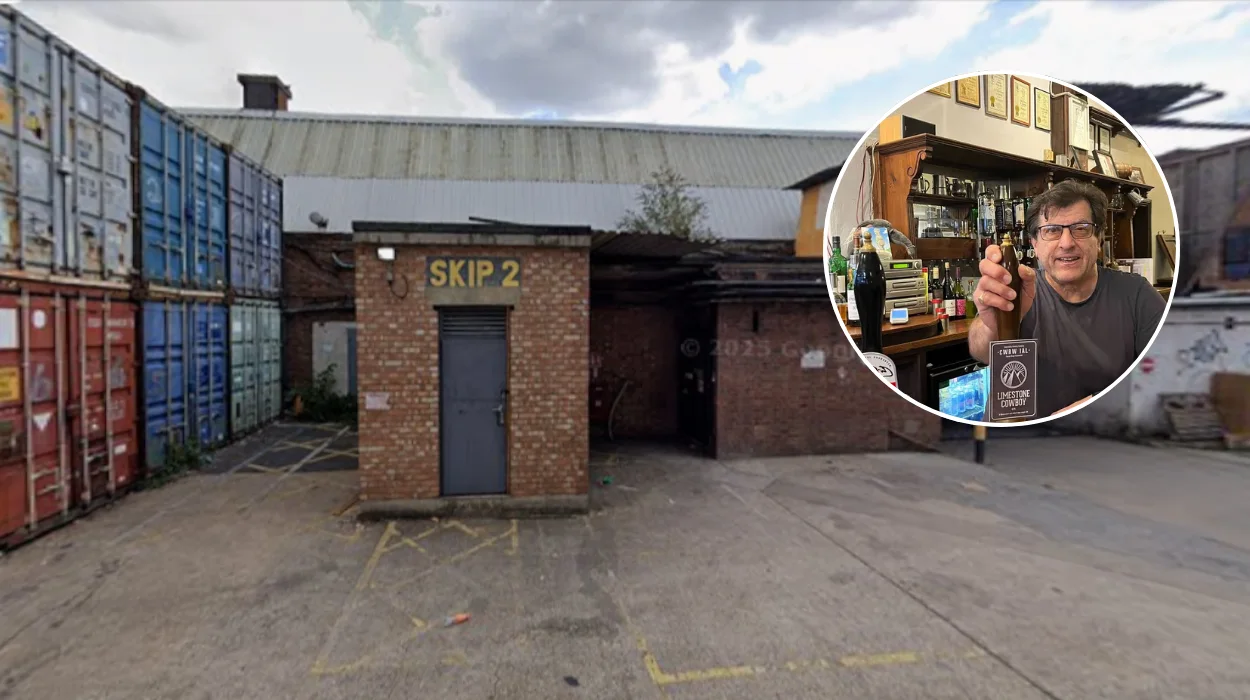
On a recent sunny afternoon, activity was visible across the site, particularly at Signature Brew, where construction work is underway to expand its offering ahead of the summer season.
Workers were seen installing two new drink and street food containers in the brewery’s courtyard, reflecting both rising demand and confidence in the area’s continued popularity.
The anniversary event is expected to draw significant crowds, with each brewery along the stretch contributing to a coordinated celebration marking four years since the Beer Mile’s establishment. Organisers aim to showcase not only craft beer but also food, music, and community engagement.
Why is Bermondsey Beer Mile losing its appeal?
According to a March investigation cited by MyLondon, Bermondsey Beer Mile—long regarded as London’s “craft beer Mecca”—is undergoing a notable transformation that has raised concerns among industry observers and local brewers.
The report found that the area, once characterised by independent breweries operating out of railway arches, has increasingly become a hotspot for stag parties and large groups of day-trippers.
This shift, some argue, has altered the atmosphere from a grassroots craft beer destination to a more commercialised nightlife hub.
Additionally, rising rents and the involvement of private equity firms have reportedly pushed out some of the smaller, independent breweries that originally defined Bermondsey’s identity.
These economic pressures have made it difficult for newer or smaller players to establish themselves in the area.
The contrast between Bermondsey’s trajectory and Walthamstow’s current development has become a focal point in discussions about the future of London’s craft beer industry.
What makes Walthamstow different from Bermondsey?
Industry figures in Walthamstow argue that their approach sets them apart from Bermondsey’s evolving model. As reported by Jessica Battison of MyLondon, local brewers emphasise a balance between attracting visitors and serving the surrounding community.
Tom Bott, co-owner of Signature Brew, told MyLondon:
“I would say we’re already the brewery capital of London. It’s evidenced by the number of people you’ll see wandering around these breweries every weekend.”
He added that the area functions as both a destination and a neighbourhood hub, stating:
“At the weekend you get crowds here who see it as a destination to go around some interesting breweries and have a lovely afternoon, and then during the week we serve the local community with nearby residents coming down for a beer and some food.”
This dual focus on tourism and local engagement is presented by brewers as a key factor in maintaining a sustainable and inclusive atmosphere.
How did both brewery hubs originally develop?
Both Bermondsey and Walthamstow share similar origins rooted in the adaptive reuse of industrial spaces. Early brewers in both areas capitalised on disused railway arches, warehouses, and storage facilities to establish their operations.
This model allowed small, independent brewers to enter the market with relatively low overhead costs while contributing to the regeneration of underutilised urban areas.
However, as popularity grew, the two locations began to diverge in terms of development patterns. Bermondsey’s rapid rise attracted significant external investment and tourism, while Walthamstow’s growth has, so far, been described as more gradual and community-oriented.
Is Walthamstow becoming London’s new craft beer hub?
The claim that Walthamstow is now London’s “brewery capital” remains a matter of perspective, but there are clear indicators of its rising prominence.
As highlighted by MyLondon, the consistent weekend crowds, ongoing expansion projects, and strong local support suggest that the Blackhorse Beer Mile is gaining momentum. The area’s ability to cater to both visitors and residents is frequently cited as a strength.
Moreover, the collaborative nature of the breweries along the mile—working together on events such as the anniversary celebration—has helped to foster a cohesive identity that appeals to a broad audience.
While Bermondsey still retains historical significance and recognition, some industry observers suggest that Walthamstow’s current trajectory may position it as a leading destination in the coming years.
What challenges could Walthamstow face in the future?
Despite its current success, Walthamstow is not immune to the challenges that have affected Bermondsey. Rising popularity could lead to increased rents, greater commercialisation, and pressure from investors seeking to capitalise on the area’s growth.
The experience of Bermondsey serves as a cautionary example for Walthamstow brewers, who may need to balance expansion with preserving the character and accessibility of the Beer Mile.
Maintaining affordability for independent operators and ensuring that the area does not become overly dominated by large-scale commercial interests will likely be key considerations moving forward.
How are visitors responding to the Blackhorse Beer Mile?
Visitor response to Walthamstow’s brewery scene has been largely positive, with many drawn to its combination of craft beer, food offerings, and relaxed atmosphere.
Unlike the more crowded and party-oriented environment reported in Bermondsey, Walthamstow is often described as offering a more laid-back experience. This appeal extends to a diverse audience, including local residents, families, and craft beer enthusiasts.
The addition of street food vendors and outdoor seating areas further enhances the visitor experience, making the Beer Mile a versatile destination for social gatherings.
What does this mean for London’s craft beer landscape?
The evolving dynamics between Bermondsey and Walthamstow reflect broader trends within London’s craft beer industry. As areas gain popularity, they face pressures that can alter their original character and accessibility.
Walthamstow’s rise suggests that new hubs can emerge and challenge established centres, particularly when they prioritise community engagement and sustainable growth.
At the same time, Bermondsey’s experience highlights the potential consequences of rapid commercialisation and rising costs, offering valuable lessons for other developing brewery districts.