

Key Points
- Safety Issues: It has been determined by the Ofsted inspectors that the Canopy Children’s Nursery in Wembley Park does not comply with the required safety standards, thereby putting children at risk of suffering from any harm.
- Leadership Criticism: There has been intense criticism of the leadership for being unable to develop a safe and positive attitude towards safeguarding.
- Procedural Errors: It was found that the staff members lacked knowledge about the required procedures of safeguarding and whistleblowing, even though they had undergone training on it before.
- Management of Behaviour: The inspectors observed that the staff members were unable to properly manage the behavior of the children, particularly when the children ran inside without being stopped.
- Operational Errors: There were deficiencies in risk assessment as the staff members could not find or eliminate risks promptly. In addition, there were problems in sharing information about children with special needs.
- Action Plan: The nursery has fully admitted the issues and has made a proper action plan.
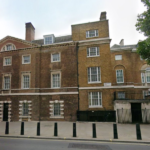
Wembley Park (The Londoner News) August 10, 2026 – A north London nursery has been issued a stern warning by education watchdog Ofsted, which concluded that the facility fails to meet critical safeguarding standards. The report states that children attending Canopy Children’s Nursery on Walters Walk are not being adequately protected from harm, necessitating “urgent improvements” to the nursery’s safety and wellbeing protocols.
- Key Points
- Why has the Ofsted report been described as ‘scathing’?
- What specific safety failings were identified by inspectors?
- Are staff members failing to assess risks properly?
- How are children with additional needs being supported?
- What is the nursery’s official response to the findings?
- What are the broader implications for nursery safeguarding?
Why has the Ofsted report been described as ‘scathing’?
Following an inspection conducted in April, the education regulator highlighted significant failures in how the nursery operates, particularly regarding the safety of the 76 children aged between zero and four currently under its care. As reported by the Evening Standard, inspectors found that children at the Wembley Park facility “do not experience a consistently purposeful or safe environment.”
The report reserves much of its criticism for the nursery’s leadership team. Inspectors argued that there is a distinct lack of an “open and positive culture” regarding safeguarding, which is considered essential to protecting children from potential harm. While the report acknowledged that the nursery staff are “keen to get things right and support children well,” it simultaneously revealed that these same staff members remain largely unfamiliar with the mandatory safeguarding and whistleblowing procedures designed to keep children safe.
What specific safety failings were identified by inspectors?
The findings detailed by inspectors suggest a breakdown in day-to-day operational safety. According to the report covered by both The Standard and the Asian Standard, staff are not adequately equipped with the skills required to handle unwanted behaviour or enforce consistent rules.
One recurring issue noted by inspectors was the inability of staff to manage children’s impulses. For instance, when young children were observed chasing one another indoors, inspectors recorded that staff “do not effectively address this” to teach the children expected behavioural boundaries. Furthermore, even when staff did attempt to intervene, the report noted that they “do not persist with supporting children to learn how to behave in line with their expectations.”
The daily routine for the youngest children was also flagged as a concern. Babies were observed to become “unsettled” because they were left waiting for excessive periods while staff managed simple routines, such as preparing for lunch and nap times.
Are staff members failing to assess risks properly?
Risk management remains a primary area of concern for the education watchdog. Although Canopy Children’s Nursery staff perform routine safety checklists, the Ofsted report asserts that they “do not understand how to assess risks to children’s safety effectively enough to identify and remove all possible hazards swiftly.”
Leadership was further criticised for failing to ensure that staff “remain vigilant to children in the environment.” This lack of vigilance, paired with ineffective risk assessment, has resulted in an environment that inspectors deem insufficient for the standards required under the early years foundation stage.
How are children with additional needs being supported?
The report also sheds light on deficiencies regarding the support provided to children with special educational needs or individual requirements. Inspectors found that the leadership team failed to gather sufficient information about vulnerable children when they first enrolled at the nursery.
This failure meant that staff were often unaware of critical information necessary to support individual needs effectively. Furthermore, the report noted that even when children’s requirements changed, the leadership team did not adequately share this updated information with staff. Consequently, the report states that children with special educational needs are not guaranteed the level of support required for them to progress adequately.
Explore more North London News:
Metropolitan Police Officer Sacked for Photographing Dead Body in London 2026
Serial Sex Attacker Convicted of Double Murder in Tottenham, 2026
What is the nursery’s official response to the findings?
In response to the critical assessment, Canopy Children’s Nursery has issued a statement regarding the steps it is taking to rectify the situation. Speaking to the Local Democracy Reporting Service (LDRS), as cited by the Evening Standard, a spokesperson for the nursery affirmed that the safety, welfare, and wellbeing of the children in their care “is, and always will be, our highest priority.”
The provider has fully accepted the concerns raised during the April inspection. In their statement, the spokesperson noted: “Whilst we fully accept the concerns identified during the inspection in April, it is important to recognise that significant progress has been made since that time.”
The nursery claims to have “immediately began implementing a comprehensive plan of action” following the visit from the watchdog. These measures reportedly include:
- Enhanced safeguarding training for all staff members.
- Improved staff supervision structures.
- Strengthened processes for risk assessment.
- Increased support mechanisms for children with additional needs.
The nursery concluded its statement by expressing gratitude to its community, stating: “We would like to thank our families, staff and the wider community for their continued support throughout this process. Our focus remains, as it always has been, on providing the very best care and education for the children entrusted to us.”
What are the broader implications for nursery safeguarding?
The findings at Canopy Children’s Nursery emerge during a period of heightened national focus on safeguarding within the early years sector. As reported by various media, the government and independent bodies are currently navigating a significant phase of reform. National discussions regarding nursery transparency, digital safeguarding, and the scrutiny of nursery chains have intensified, particularly in the wake of high-profile cases and national reviews.
The Ofsted report serves as a reminder of the rigorous standards expected of providers, particularly regarding the “four categories” of safeguarding: neglect, physical harm/abuse, emotional harm/abuse, and sexual abuse. As defined in industry guidance such as Working Together to Safeguard Children, the responsibility of a nursery worker goes beyond basic care; it encompasses a proactive approach to protecting children from maltreatment and preventing impairment to their health and development.
For now, the focus at Canopy Children’s Nursery remains on the successful implementation of its corrective measures. The education watchdog’s report serves as an urgent mandate for the leadership to transform its internal culture to ensure that the 76 children currently enrolled are provided with the safe, purposeful, and nurturing environment they require.