Key Points
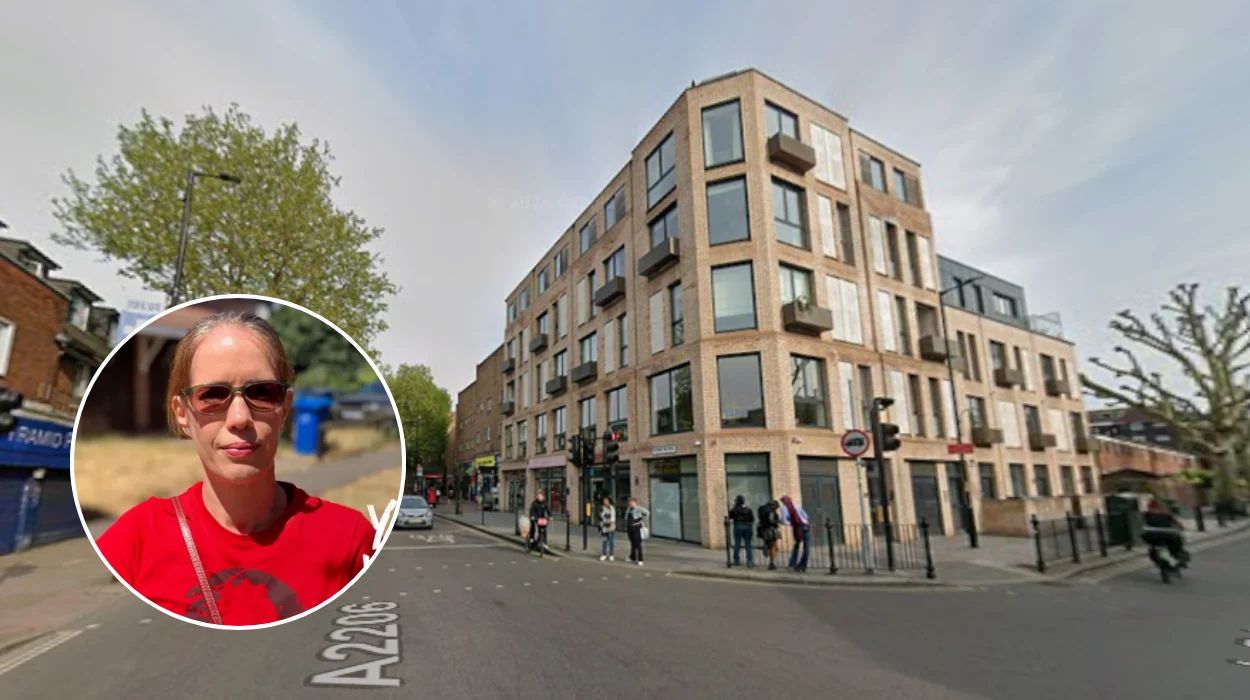
- Tenants residing on the St James Estate in Bermondsey, south London, are facing an acute crisis involving potential financial ruin or displacement following properties being acquired by the BMR Group.
- Residents have been hit with Section 21 “no-fault” eviction notices alongside staggering rent increases reaching up to £500 a month.
- Southwark Council leader Councillor James McAsh has formally written to Freshview—the firm managing the estate on behalf of BMR—urging them to retract all eviction proceedings and establish realistic rental terms.
- Freshview defended its position, stating that rental rates had historically been kept “substantially below” market value and that the Section 21 notices were deployed purely “as a safeguard”.
- Long-term residents, such as Mae Oroszlany who has lived on the estate for nearly 20 years, received Section 21 notices mere hours prior to a legal ban on their issuance under the Renters Rights Act.
- In response to the crisis, affected community members have successfully mobilized to establish a dedicated tenants’ association to collectively challenge their landlord.
London (The Londoner News) July 28, 2026 — Tenants residing on a housing estate situated in south London are confronting an agonizing dilemma that forces them to choose between severe financial distress and total displacement from their homes, according to warnings issued by Southwark Council’s leadership.
Why are Bermondsey tenants facing eviction and rent hikes?
The controversy centres around the St James Estate located in Bermondsey, where residents have found themselves targeted with Section 21 “no-fault” eviction notices and dramatic rent hikes scaling up to £500 a month. These sweeping alterations to tenant agreements materialized shortly after the properties were acquired by the BMR Group.
As reported by the BBC, Southwark Council’s leader, Councillor James McAsh, took decisive action by dispatching an official letter to Freshview, the managing agency overseeing the estate operations for BMR.
Within the correspondence, Councillor McAsh urged the company to immediately halt and drop all active eviction proceedings while putting forward “realistic” rental terms before an impending deadline that he warned would leave residents facing “an impossible choice.”
Explore More South London News
Best UK Pubs 2026: South London Pub Ranked, Nunhead 2026
South London Housing Queue Row in High Court 2026
What justification have management and landlords provided?
Addressing the mounting backlash and political pressure, Freshview defended the controversial business decisions taken on the estate.
As detailed in coverage by the BBC, Freshview stated that the rental charges applied previously were kept “substantially below” typical market values. Furthermore, the firm asserted that the contentious Section 21 notices were served strictly “as a safeguard.”
Despite these assertions from management, the unfolding situation has plunged long-standing families and individuals into deep uncertainty, intensifying fears over widespread housing displacement across urban London communities.
How are local residents reacting to the displacement threat?
The sudden regulatory maneuvers have subjected long-term members of the community to immense psychological strain. Mae Oroszlany, who has maintained a residence on the estate for almost twenty years alongside her husband, shared her harrowing experience with the broadcaster.
As reported by the BBC, Mae Oroszlany described the ordeal as “constant pressure” after her household was served with a Section 21 notice mere hours before a critical legislative law change on 1 May outlawed their future use under the Renters Rights Act.
Despite the heavy stress induced by the notices, Oroszlany expressed deep admiration for the local neighborhood, characterizing the area as “perfect” and praising its “amazing community” spirit.
She highlighted how the shared adversity has galvanized local residents to band together, successfully establishing a formal tenants’ association designed to mount a collective challenge against their landlord.
Reflecting on the psychological comfort found through grassroots community organizing, Mae Oroszlany stated to the BBC:
“A lot of people just felt such a relief that they can actually talk to their next-door neighbour… finally somebody’s listening to me.”
As the deadline imposed on the estate looms closer, local authorities, management agencies, and tenant representatives remain locked in a tense standoff over the future stability of the St James Estate community.