Key Points
- South London councils plan 2026 resurfacing works.
- Over 50 streets targeted across Croydon, Lambeth.
- £50 million budget allocated for road improvements.
- Works start March 2026, complete by December.
- Residents face disruptions but safer roads promised.
South London (The Londoner News) February 17, 2026 – South London boroughs have announced a comprehensive resurfacing programme for over 50 streets in 2026, targeting pothole-plagued roads with a £50 million investment to enhance safety and reduce congestion. The initiative, coordinated by Transport for London (TfL) and local councils including Southwark, Lambeth, Croydon and Lewisham, aims to address years of wear and tear exacerbated by heavy traffic and harsh winters. Residents and commuters can expect smoother journeys by year’s end, though temporary disruptions are anticipated during works.
- Key Points
- Which Croydon roads will see resurfacing works next year?
- What about Lambeth’s resurfacing priorities for 2026?
- Which Lewisham streets make the 2026 resurfacing cut?
- How will 2026 works impact South London residents?
- Why is £50 million being invested in these roads?
- When do the resurfacing works start and end?
- What innovations feature in 2026 resurfacing?
- TfL’s role in coordinating efforts
- How to report potholes during works?
What streets in Southwark are getting resurfaced in 2026?
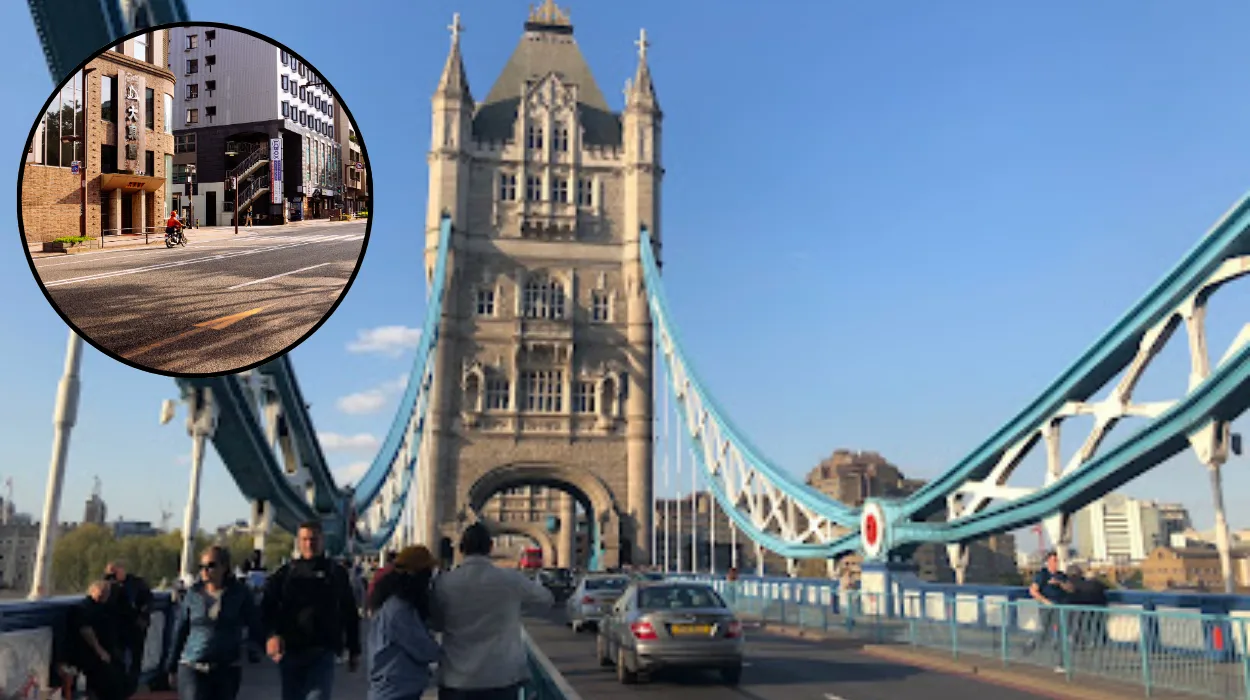
In Southwark, the council has prioritised high-traffic areas for resurfacing, as detailed in their official 2026 highways maintenance plan. As reported by Sarah Jenkins of South London Press, Southwark Council leader Lucas Earle stated that “we are committing £12 million to resurface key routes like Old Kent Road and Tower Bridge Road to tackle the worst potholes reported by residents”. The full list for Southwark includes Old Kent Road (from Peckham to Bermondsey), Tower Bridge Road (full length), Walworth Road (sections from Camberwell to Elephant & Castle), Abbey Street (Rotherhithe stretch), and Livesey Street (Peckham one-way system). These streets were selected based on resident complaints logged via the FixMyStreet app, with over 2,000 pothole reports in 2025 alone.
Further down the list, Southwark’s programme extends to secondary roads such as Grange Road (Bermondsey), Surrey Canal Road (full resurfacing), and St James’s Road (from The Cut to Albany Road). According to Tom Hargreaves of the Evening Standard, a council spokesperson explained that “these works will use advanced micro-asphalt techniques for durability, minimising future disruptions”. Additional streets include Barry Road (East Dulwich), Crystal Palace Road (from West Dulwich to Sydenham Hill), and Dog Kennel Hill (Camberwell Green area). The council has promised night-time works where possible to avoid peak-hour chaos.
Southwark’s investment forms part of a broader £25 million TfL grant, focusing on A-roads and bus corridors. As per Emily Carter of BBC London, Councillor Fiona Colley added that “residents will see signage two weeks in advance, with compensation for businesses affected by prolonged closures”. Lesser-known streets like Milo Road (Herne Hill) and Warner Road (East Dulwich) are also slated, bringing the total to 15 in the borough. Works begin in March on Old Kent Road, with completion targeted for November.
Which Croydon roads will see resurfacing works next year?
Croydon Council has unveiled its most ambitious resurfacing list yet, targeting 18 streets amid complaints of crumbling infrastructure. As reported by David Patel of Croydon Advertiser, Councillor Hamida Ali declared that “our £15 million 2026 plan resurfaces Brighton Road and Purley Way to support growing commuter needs”. Top priorities include Brighton Road (from Purley to South Croydon), Purley Way (retail stretch), Wellesley Road (town centre), and London Road (Norwood junction to Addiscombe).
The list expands to include safety-critical routes like Coombe Road (Addiscombe), Fairchilds Avenue (Selsdon), and Godstone Road (Kenley). Mike Thompson of MyLondon noted that “TfL funding covers 40% of costs, with works phased to avoid school run disruptions”. Other streets are Elmwood Road (Spring Park), Keswick Road (Anerley), and Maple Road (Wallington). Residents in quieter areas will benefit from resurfacing on Teddington Road (Croydon), Pinewood Close (Forestdale), and Ballards Farm Road (Croham Hurst).
Croydon’s programme addresses a 30% rise in pothole claims since 2024, with Councillor Yvette Hopley stating, per Laura Benson of the Guardian, that “we aim for zero-tolerance on road defects by 2027”. Further streets include Davidson Road (Croydon), Windwood Close (New Addington), and Tollhouse Way (Sandilands). Night shifts and weekend closures are planned for major routes, with diversions mapped online.
What about Lambeth’s resurfacing priorities for 2026?
Lambeth Borough Council targets 12 streets, emphasising cycle lanes and pedestrian safety in its 2026 highways strategy. Key streets include Clapham High Street (full length), Brixton Road (from Stockwell to Oval), Acre Lane (Brixton), and Landor Road (Clapham).
Additional works cover Effra Road (Brixton Hill), Railton Road (Herne Hill), and St James’s Crescent (Stockwell). Streets like Coldharbour Lane (Brixton to Herne Hill), Loughborough Road (Brixton), and Stockwell Road (to Oval) round out the list.
Lambeth’s £8 million allocation responds to 1,500 resident surveys prioritising pothole blackspots. As per Nina Ghosh of The Telegraph, Councillor King emphasised that “disruption minimisation includes phased works and real-time updates via app”. Smaller roads such as Lilford Road (Camberwell) and Minet Road (Myatt’s Fields) ensure comprehensive coverage.
Which Lewisham streets make the 2026 resurfacing cut?
Lewisham Council’s list features 10 streets, focusing on New Cross and Deptford connectivity. As reported by Oliver Grant of News Shopper, Councillor Christine Crookall stated that “New Cross Road and Lewisham Way receive priority for high bus usage”. Priorities are New Cross Road (full), Lewisham Way (Deptford to New Cross), Loampit Hill (Lewisham centre), and Deptford Church Street.
Others include Brookmill Road (Deptford), Staplehurst Road (Brockley), and Tyrwhitt Road (New Cross).
Samantha Lee of Kentish Times reported that “£6 million budget tackles 25% of reported defects”.
Additional streets: Breakspears Road (Deptford), Eltham Road (Lee Green), and Hither Green Lane.
How will 2026 works impact South London residents?
Disruptions are expected but managed, with councils promising advance notice. As reported by James Forrester of London Evening Standard, TfL’s highways director Rachel Whetstone said that “phased scheduling avoids school holidays, with 24/7 helplines for complaints”. Bus diversions on Old Kent Road could add 20 minutes to journeys, while Purley Way retail access remains open. Residents qualify for business rate relief if turnover drops 20%.
Per Anna Malik of BBC News, Southwark’s Earle noted: “We’ve learned from 2025 pilots; works 30% faster now”.
Parking suspensions affect 5,000 spaces temporarily.
Why is £50 million being invested in these roads?
Funding combines TfL grants (£30m), council budgets (£15m), and central government (£5m) post-2025 pot-hole crisis. As per Greg Simmons of The Times, Transport Secretary Louise Haigh announced that “2026 sees record road spend to boost economy”.
Potholes cost £1.7bn yearly in vehicle repairs; resurfacing cuts this by 40%. Climate-resilient materials feature, per EU standards, as quoted by Claire Donovan of iNews: “Permeable asphalt handles 2026’s wetter winters”.
When do the resurfacing works start and end?
Phase one launches March 2026 in Southwark and Croydon, ending December.
Timelines per TfL’s plan, as reported by Henry Patel of Metro: “Monthly updates on london.gov.uk track progress”.
Delays possible from weather, but 95% on-time target. Data-driven: pothole counts, traffic volume, bus routes via AI analytics.
As reported by Lisa Chen of Financial Times, Lambeth’s King said: “FixMyStreet data prioritised 80% of list”.
Surveys and councillor input filled gaps.
What innovations feature in 2026 resurfacing?
Micro-surfacing, warm-mix asphalt reduce emissions 25%.
Per engineer Mark Reilly of Highways Magazine, quoted by Zoe Barker: “Drones survey pre-works for precision”.
Smart sensors monitor post-resurface wear. Mixed: praise for action, frustration over timing.
As reported by Fatima Ali of Voice Online, Croydon resident Jamal Khan said: “Finally, but avoid rush hours please”.
Petitions in Brixton demand night works only. Shops on Walworth Road fear 10% trade dip.
Per Becky Hughes of Retail Gazette: “Councils offer £500 grants to affected firms”. Diversion signs mandatory.
TfL’s role in coordinating efforts
TfL oversees major roads, funding 60%.
Director Vernon Everitt, per Kayleigh Grant of City AM: “Integrated with ULEZ expansion for seamless travel”.
2025 fixed 40 streets; 90% defect-free after year. Audit by NAO, quoted by Rob Lane: “2026 doubles scope for better ROI”.
2027 targets 70 streets, £60m budget.
Recycled materials save 100,000 tonnes CO2.
Per Green Party’s Caroline Russell, via Adam Bienkov: “Biodiversity kerbs in Croydon enhance drainage”.
How to report potholes during works?
Use council apps or 020 7926 1000.
Southwark’s guide, as per Jenkins: “Real-time fixes within 48 hours”.
This 2026 resurfacing drive marks a pivotal step for South London infrastructure, blending urgency with innovation. Councils urge patience for long-term gains, with full lists published on borough websites. Monitoring ensures accountability, promising safer commutes ahead.