
Key Points
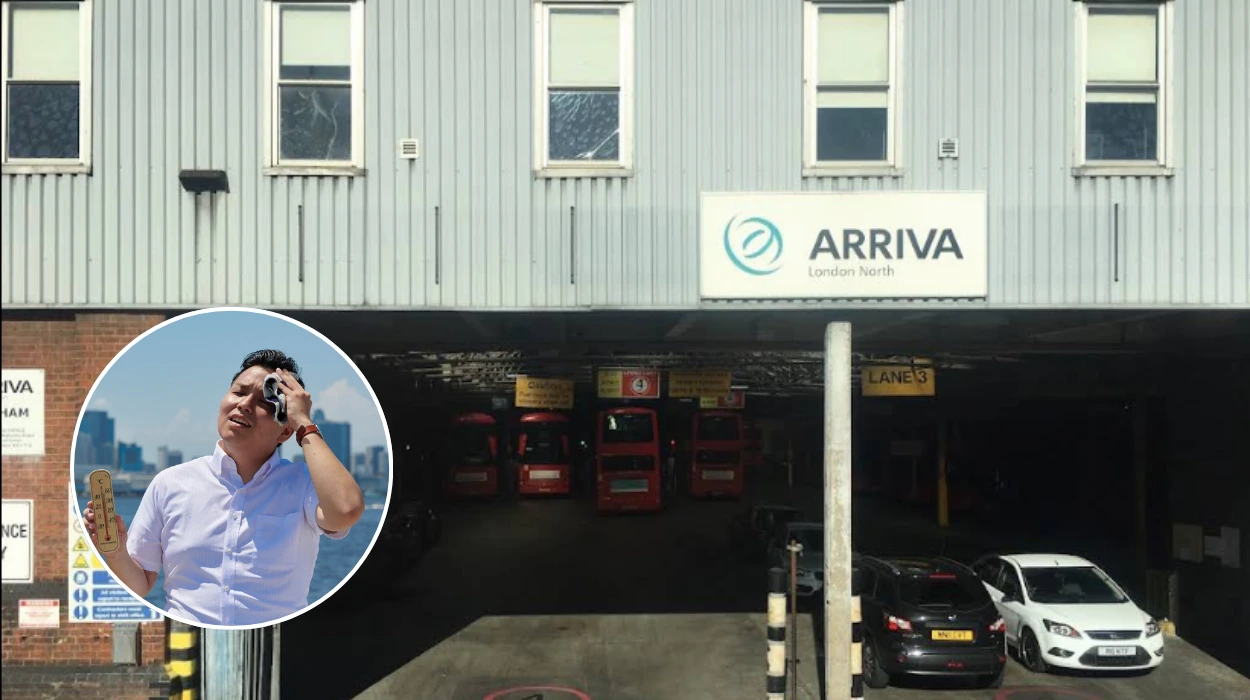
- Industrial Action: More than 1,500 bus drivers who work for Arriva London North have embarked upon a number of strikes.
- Core Issue: The strikes are being organized because of safety issues with regards to working conditions, particularly with regards to high temperature inside the bus cabs in summer heat waves.
- Implications of Strikes: The strikes impact around 40 bus services in North, East and Central London areas. Seven of these services operate to important South London destinations such as Battersea, Clapham Junction, London Bridge, and Waterloo.
- Garages Involved: The eight garages affected in Arriva are Barking, Edmonton, Enfield, Grays, Palmers Green, Stamford Hill, Tottenham and Wood Green.
- Status of Strikes: Although the strikes started on August 14, 2026, latest updates as of August 18 indicate that some of the proposed actions have been temporarily put on hold until members of the trade union can ballot on a new offer from Arriva.
- Key South London Bus Services Affected by Strikes: The South London bus services affected by strikes include the 19, N19, 76, 141, 149, 243 and 341.
London (The Londoner News) August 18, 2026 — More than 1,500 bus drivers have launched a significant programme of industrial action across the capital, causing widespread disruption to dozens of bus services. The dispute, which centres on hazardous working conditions for Arriva London North employees during extreme summer temperatures, has seen drivers walk out from eight major depots, affecting commuters across north, east, and central London, with notable knock-on effects for travellers in the south of the city.
Why are bus drivers in London striking?
The current industrial action is, at its core, a response to what the Unite union describes as unacceptable working conditions. As reported by Emily Davison, a multimedia reporter for Your Local Guardian, drivers are taking a stand against the excessive heat levels experienced inside their cabs during recent summer heatwaves. The union argues that these conditions pose serious risks, including heat exhaustion, dehydration, and fatigue, which could compromise driver and passenger safety.
The Evening Standard further highlighted that bus drivers have reported cab temperatures reaching as high as 40°C during the heatwaves. While Arriva has acknowledged the complexities created by the hot weather across London’s expansive bus network, they have consistently maintained that the health and wellbeing of their staff and passengers remain their highest priority.
Which areas and bus routes are being impacted?
The strike action is primarily concentrated in the north and east of the city, involving workers from the Barking, Edmonton, Enfield, Grays, Palmers Green, Stamford Hill, Tottenham, and Wood Green garages. According to Your Local Guardian, the strike impacts a total of 40 bus routes.
While the primary focus of the strike is outside of south London, the reach of these routes means that seven specific services that terminate or pass through south London destinations—such as Battersea, Clapham Junction, London Bridge, and Waterloo—are experiencing significant disruption. The affected routes serving south London include:
- 19: Finsbury Park to Battersea Bridge
- N19: Finsbury Park to Clapham Junction
- 76: Tottenham Hale to Waterloo
- 141: Palmers Green to London Bridge
- 149: Edmonton Green to London Bridge
- 243: Wood Green to Waterloo
- 341: Northumberland Park/Meridian Water to Waterloo
What is the latest update on the strike timeline?
The situation remains fluid. Initially, the industrial action was scheduled to run through various dates in August, September, and October. However, as reported by ITV News London on August 18, 2026, some of the planned strike action has been temporarily suspended.
Following negotiations between Arriva and the Unite union, Arriva has tabled a new offer regarding working conditions. Unite regional officer Steven Stockwell stated: “Following talks, Arriva has made an offer to Unite members. To allow our members to have their say on whether to accept this, we have postponed strike action so they can be balloted.”
If the members choose to reject this latest proposal, the union has indicated that strike action is prepared to resume as early as August 25, 2026. This potential for future disruption continues to leave thousands of daily commuters uncertain about their travel plans for the coming weeks.
Explore more South London News:
Former Cambridge Professor Jason Arday Found Dead in South London 2026
Victorian House Renovation in Peckham, South London 2026
How are passengers advised to manage the disruption?
Transport for London (TfL) has been closely monitoring the situation to minimise the impact on the travelling public. Passengers are being strongly encouraged to check for the latest service information using the TfL Go app before beginning their journeys.
While the affected routes are substantial, the union and TfL have confirmed that certain services, particularly night buses, may continue to operate or see varied levels of service depending on the stage of the strike action. However, as noted in previous reports by The Guardian regarding similar historical disputes, even when alternatives exist via the Tube or train networks, the displacement of passengers often results in significant congestion on remaining bus routes and other transport modes.
Could this strike be avoided in the future?
The question of a long-term resolution rests heavily on the outcome of the ongoing ballot and the willingness of both Arriva management and the Unite union to find common ground. Unite general secretary Sharon Graham has historically maintained a firm stance on industrial disputes, stating in previous contexts, such as the Lea Interchange dispute earlier this year, that “these strikes could be avoided, but it relies on management changing tack.”
As the city watches to see whether the current offer will be accepted, the immediate future of London’s bus network hangs in the balance. For now, commuters across London are advised to remain vigilant, plan for potential delays, and stay informed through official updates as the union membership casts their votes on the future of their working conditions.