
Key Points
- Seven-Figure Settlement: A pedestrian struck by a Metropolitan Police vehicle has secured a £1.3 million compensation package following a High Court ruling.
- Life-Altering Injuries: The unnamed claimant sustained severe traumatic brain injuries, leaving her permanently unable to work or live independently.
- Emergency Response Collision: The incident occurred in 2019 in Streatham, south London, while a police van was responding to an urgent emergency callout.
- Contributory Negligence: Liability was split following a 2024 agreement, with the court establishing that the claimant was 40% contributorily negligent, reducing the total gross valuation of the claim.
- Long-Term Care Allocation: The multi-million-pound payout is earmarked for specialized housing and lifelong care infrastructure managed by the victim’s family.
Streatham (The Londoner News) June 2, 2026 – A pedestrian who suffered catastrophic, life-altering head injuries after being struck by a Metropolitan Police van has settled her high-profile legal claim against the force for £1.3 million. The settlement, officially approved by the High Court, concludes years of intensive litigation surrounding the 2019 collision in south London. The victim, whose identity remains legally protected under strict anonymity orders, was knocked down while crossing a busy roadway as the police vehicle hurried toward an emergency call. The financial package is designed to provide comprehensive, lifelong care and specialist accommodation for the woman, who requires round-the-clock assistance from her family and will never return to employment.
- What Happened During the 2019 Streatham Police Van Collision?
- What Structural Injuries Did the Claimant Sustain in the Accident?
- Why Did the High Court Approve a £1.3 Million Settlement?
- How Did Contributory Negligence Affect the Final Compensation Figures?
- What Did the Presiding Judge Rule Regarding the Victim’s Future Autonomy?
- How Have the Metropolitan Police Responded to the High Court Settlement?
- What Are the Broader Implications for Emergency Response Driving in London?
The resolution follows a pivotal liability agreement reached in 2024, wherein both legal teams acknowledged that the pedestrian bore a degree of contributory negligence for the accident. By consenting to a 40 per cent liability split, the claimant’s final payout represents a proportion of what would have been a significantly higher gross assessment of her lifetime financial damages. High Court officials validated the compromise this week, emphasizing that the funds are desperately needed to secure the woman’s future welfare and insulate her family from the compounding costs of specialized medical care.
What Happened During the 2019 Streatham Police Van Collision?
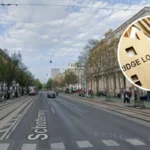
The incident trace dates back to 2019 along a major thoroughfare in Streatham, a bustling district within south London. According to verified court disclosures, the claimant was attempting to cross the street when she walked directly into the path of an oncoming Metropolitan Police van. The police vehicle was actively operating under emergency protocols, utilizing its sirens and warning lights while responding to an urgent dispatcher call.
The impact was severe, projecting the pedestrian across the tarmac and causing immediate, critical trauma. Emergency medical personnel rushed to the scene, administering stabilizing treatment before transferring the unconscious woman to a regional major trauma unit. The incident sparked immediate scrutiny regarding the safety parameters of emergency response driving in densely populated London boroughs, culminating in an exhaustive multi-year civil lawsuit against the formal legal entity of the Metropolitan Police Service.
What Structural Injuries Did the Claimant Sustain in the Accident?
The physical and neurological toll of the impact was devastating. As detailed during the formal High Court approval transcripts, the pedestrian sustained profound head trauma upon impact with the police van and the road surface. The structural damage to her brain required immediate surgical intervention followed by an extended period of intensive care monitoring.
Presiding over the final evaluation, Judge Sylvia de Bertodano summarized the medical trajectory, noting that the woman was forced to spend almost six months in an acute hospital ward undergoing complex rehabilitation. Despite the extensive intervention of neurological specialists, the physical damage proved irreversible. Court records highlight that the victim continues to battle an array of debilitating, ongoing symptoms that severely restrict her cognitive and motor functionalities.
Explore More South London News
Man Punches Woman Over Cigarette Near Peckham Rye Station: Peckham 2026
Lightning Strike Causes Major Railway Disruption: Herne Hill and Denmark Hill 2026
Why Did the High Court Approve a £1.3 Million Settlement?
The financial resolution reached the High Court not for a contentious trial, but for a necessary judicial review to ensure the settlement accurately mirrored the protected party’s long-term best interests. In complex personal injury matters where a claimant lacks full independent capacity due to brain trauma, the court must meticulously dissect the terms before granting formal approval.
As reported by legal correspondents analyzing the High Court transcripts, Giles Mooney KC, acting as the senior barrister for the claimant, argued that the negotiated £1.3 million sum represented a pragmatic and vital victory for the family. Mooney informed the court that the capital would be immediately deployed to purchase a highly specialized, modified residential property. This home will serve as the primary infrastructure to support her complex care routine, offering a controlled environment tailored to her physical limitations.
How Did Contributory Negligence Affect the Final Compensation Figures?
The headline figure of £1.3 million is the result of intense legal compromise regarding the exact mechanics of the 2019 collision. In British personal injury law, if a defendant can prove that the injured party failed to take reasonable care for their own safety, the total damages are reduced proportionally under the principle of contributory negligence.
The barrister, Mr Mooney KC, explained to the High Court that in 2024, the legal representatives of both the pedestrian and the Metropolitan Police reached a formal compromise on liability. It was mutually agreed that the woman partly contributed to the unfolding of the collision. Under the terms of this liability split, the court decreed that she would be awarded exactly 40 per cent of the total gross damages assessed across her lifetime. Consequently, the £1.3 million represents a 40 per cent slice of an overall claim valuation that experts estimate sat closer to £3.25 million on a full-liability basis.
What Did the Presiding Judge Rule Regarding the Victim’s Future Autonomy?
The judicial remarks delivered during the settlement hearing painted a bleak portrait of the victim’s everyday reality, underscoring why such a substantial financial package was deemed essential by the state. The court acknowledged that while financial compensation cannot restore physical health, it remains the only mechanism available to preserve human dignity in the wake of tragedy.
In her official summing up of the case, Judge Sylvia de Bertodano detailed the profound shift in the woman’s life trajectory. Direct transcripts from the hearing confirm the judge stated:
“She lives now with her family, but she continues to suffer life-changing, ongoing symptoms as a result of the accident. She will never work or live independently again.”
This definitive judicial assessment solidified the reality that the claimant’s reliance on her family structure is permanent, legally validating the necessity of the seven-figure real estate and care investment.
How Have the Metropolitan Police Responded to the High Court Settlement?
Throughout the protracted legal battle, the Metropolitan Police Service maintained a dual stance: defending the operational realities of emergency response driving while simultaneously acknowledging the tragic human cost of the Streatham collision. By agreeing to the out-of-court liability split in 2024 and finalizing the valuation this week, the force avoided a lengthy, adversarial public trial that would have deeply scrutinized individual officer conduct.
The settlement effectively indemnifies the Metropolitan Police from further civil litigation regarding this specific incident. Legally, the payout will be funded through the police service’s centralized legal indemnification budgets, which are taxpayer-funded allocations set aside to handle civil liabilities, operational errors, and catastrophic accidents involving emergency fleet vehicles.
What Are the Broader Implications for Emergency Response Driving in London?
This £1.3 million settlement revives a broader systemic debate within the UK judicial and law enforcement systems regarding the risk-versus-reward calculus of high-speed emergency responses. Under the Road Traffic Regulation Act, emergency drivers are granted specific exemptions from speed limits and traffic signals, but they still owe a strict duty of care to the general public.
Civil liberties groups and traffic safety analysts suggest that high-figure payouts like this one put immense pressure on police forces to continuously revise their blue-light driving protocols. The integration of advanced telemetry, dashcams, and stricter command-and-control oversight during active pursuits or emergency calls remains a primary focus for the Metropolitan Police as they attempt to drive down pedestrian collision statistics across London’s dense urban network.