
Key Points
- High Court Challenge: Carmen Castro Guallichico and her family are launching a legal challenge against Southwark Council at the High Court over emergency housing list mismanagement.
- Unlawful Actions Alleged: The family claims that the local council acted unlawfully and completely ignored their extensive waiting time on the direct offer list for social housing.
- Severe Vulnerabilities: The South London family is currently trapped in a severely overcrowded home whilst managing the intense daily needs of two severely autistic children.
- Queue Reversal: Over a six-month window, the family’s position on the council’s direct offer waiting list reportedly moved backwards rather than forwards.
- No Explanation Offered: Legal representatives acting on behalf of the family sought clarification from Southwark Council regarding the queue shift but allegedly received no response or explanation.
- Wider Systemic Concerns: The family intends for this legal battle to shine a spotlight on wider local housing failures, claiming the council is actively avoiding a reality faced by numerous vulnerable families.
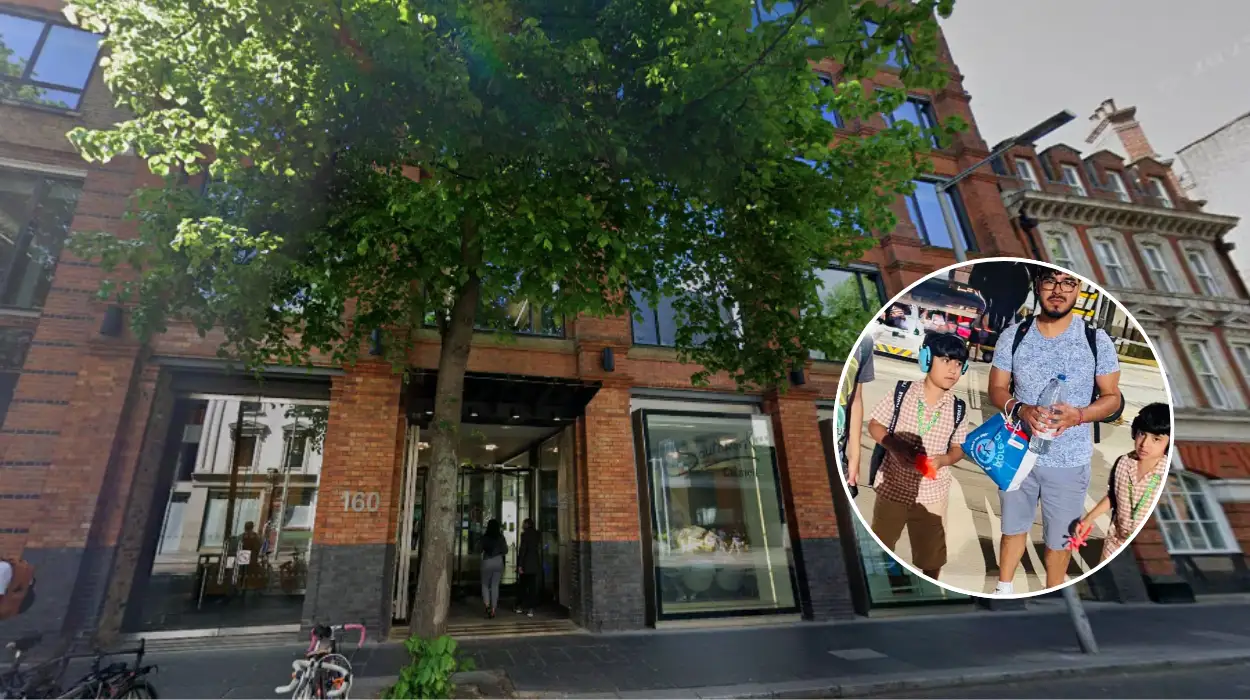
Southwark (The Londoner News) June 22, 2026 – A vulnerable South London family trapped in a severely overcrowded property has launched a high-profile legal challenge against Southwark Council in the High Court, asserting that the local authority acted unlawfully by pushing them further down an emergency social housing queue. Carmen Castro Guallichico, who is spearheading the litigation alongside her family, contends that the council systematically ignored their accumulated waiting time on the authority’s direct offer waiting list. The situation is further compounded by severe domestic complications, as the household is currently trying to care for two severely autistic children within inadequate living conditions. Legal documents indicate that over a six-month period, the family’s priority position paradoxically regressed, leaving them further from a housing solution than when they initially secured emergency status.
As reported by Robert Firth of the Local Democracy Reporting Service (LDRS) via MyLondon, the legal team representing the family formally approached Southwark Council to seek a comprehensive administrative breakdown of why the family’s priority standing was systematically degraded. According to the original reporting, the council failed to provide an explanation or clear justification for the reversal to the family’s legal representatives. This total lack of institutional transparency forced the household to pursue judicial review options to protect their statutory rights and secure safe accommodations.
The case has drawn widespread attention to the systemic pressures operating inside the social housing allocation frameworks of London local authorities. Speaking directly to Robert Firth of the Local Democracy Reporting Service (LDRS), Carmen Castro Guallichico outlined her broader motives for initiating the litigation, stating: “I want to fight until the end for my own family and to help and show a reality that the council is avoiding.” Guallichico further detailed the collective struggles of local residents to the LDRS, declaring: “I want to represent the voices of families and want to be heard. A lot of families are living in conditions similar to mine, and the council is playing with those families’ and our children’s futures. A lot of families are going through difficult housing issues and really complicated health situations. The council knows about these issues, but they are avoiding them.”
Why is a Southwark family taking their local council to the High Court?
The core motivation behind the family’s decision to pursue escalating legal remedies rests on allegations of systemic administrative malpractice by Southwark Council. According to investigative details compiled by Robert Firth of the Local Democracy Reporting Service (LDRS), the family had already satisfied the stringent criteria required to be placed on the council’s direct offer waiting list—a mechanism reserved for households facing extreme, immediate emergency needs.
Instead of seeing their waiting times honored or progressing toward a suitable property allocation, the family discovered that their name was actively losing ground in the queue. Under UK housing law, local councils are bound by statutory duties to ensure fair, logical, and lawful allocation of social housing, particularly when children with profound medical or developmental needs are involved. The family’s legal challenge seeks to prove that the council’s internal allocation actions were arbitrary, unlawful, and directly violated their published housing policies.
What are the living conditions driving the family’s legal battle?
The legal action is deeply rooted in the severe overcrowding and medical vulnerabilities present within the household. As documented in the reporting published by MyLondon, the domestic environment has become entirely unsuitable for the family, which includes two children diagnosed with severe autism.
Autism spectrum disorders frequently require highly stable, predictable, and sensory-managed environments to prevent profound psychological distress and behavioral crises. Severe overcrowding directly interferes with these requirements, intensifying sensory overload and placing an unsustainable burden on the primary caregivers. The family claims that by ignoring these escalating health and environmental complications, Southwark Council has failed to recognize its duty of care under relevant public health and housing legislation.
Explore more South London News:
Nicky Campbell Daughter Lilla Injured in E-Bike Hit and Run: Peckham 2026
Kingston Local Plan Outlines 20,000 New Homes: South London 2026
How did the family’s emergency housing list position go backwards?
One of the central anomalies within this legal dispute is the unexplained drop in priority status that occurred over half a year. As explicitly detailed by journalist Robert Firth in his coverage for the Local Democracy Reporting Service (LDRS), Carmen Castro Guallichico observed her family’s position on the direct offer list moving backward rather than forward across a distinct six-month window.
In public sector housing systems, direct offer lists are tightly managed to deal with immediate crises, such as severe medical jeopardy or extreme environmental hazards. A backwards movement implies either that a substantial volume of applicants with even more severe emergencies were inserted ahead of them, or that an internal administrative re-categorisation occurred without proper notification. The complete absence of an explanation from Southwark Council to the family’s legal counsel forms a significant pillar of the claim that the local authority acted unfairly and without proper procedural transparency.
What does this case reveal about wider London social housing issues?
Beyond the individual trauma experienced by the Guallichico family, the impending High Court judicial review highlights a massive, structural crisis gripping local government housing departments across Greater London. Local authorities are currently facing an unprecedented combination of diminishing social housing stock, a highly volatile private rental market forcing more families into homelessness, and severe budgetary constraints.
However, as highlighted by Carmen Castro Guallichico in her statements to the LDRS, there is a growing sentiment among impacted residents that local councils are using these macro-level systemic pressures to deflect accountability for poor performance and a lack of empathy. By stating that the council is “playing with those families’ and our children’s futures,” Guallichico underscores the deep human cost of administrative delays and opaque bureaucratic systems. The case is being closely monitored by housing charity networks and legal experts, as a definitive High Court ruling against Southwark Council could set a binding legal precedent, forcing local authorities nationwide to open up their internal housing queue algorithms and allocation records to much greater public and legal scrutiny.