
Key points
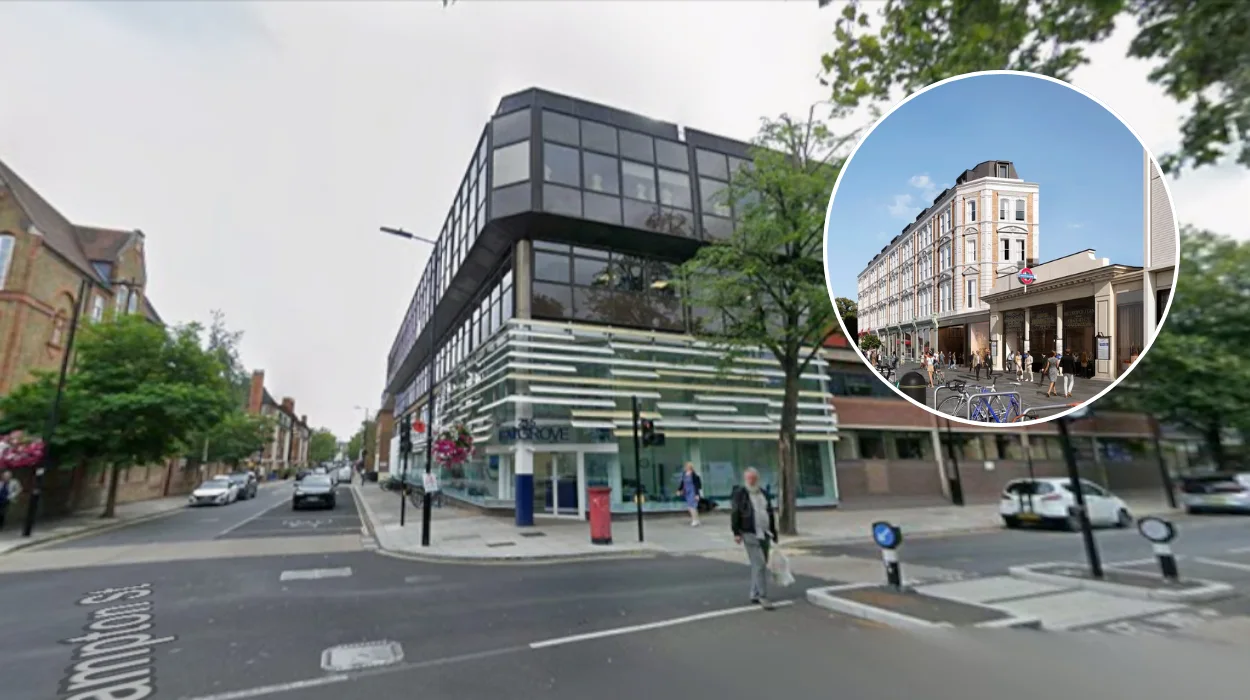
- Westminster City Council has approved a £3.7 million public‑realm scheme to transform the area around Warwick Avenue Tube station in West London, acting as the gateway to Little Venice.
- The project, known as the Warwick Avenue Public Realm Scheme, aims to make the neighbourhood safer and more welcoming, with improved pedestrian and cycle routes, greening, and upgraded recycling facilities at the station.
- The full scheme budget is £3.7 million, of which around £710,000 has already been spent on early stages (phases zero to two), with Westminster agreeing to release £2.9 million to progress and complete phases three to six.
- Councillors raised concerns that the cost has risen sharply from an originally proposed £1 million, four years ago, dubbing the scheme “eye‑watering” and questioning value for money.
- The scheme will preserve the existing character of Warwick Avenue and Warrington Crescent while introducing cleaner, safer movement routes, better station access facing St Saviour’s Church, and more greenery.
Westminster (The Londoner News) April 25, 2026 – A 3.7‑million‑pound public‑realm overhaul of the Warwick Avenue area has been approved by Westminster City Council, marking a major step in reshaping the West London neighbourhood that serves as the gateway to Little Venice. The Warwick Avenue Public Realm Scheme, first proposed four years ago and formally announced in February 2024, will prioritise safety, accessibility and environmental quality around the Tube station and its immediate surroundings, with councillors now voting to let the decision stand after a scrutiny meeting.
- Key points
- What is the Warwick Avenue revamp?
- How much will the scheme cost?
- What changes will residents see?
- How will access to the Tube station change?
- What were the main concerns raised by councillors?
- How did the council approve the scheme?
- What will the timeline and implementation look like?
- How do residents and local observers feel about the revamp?
- What does this revamp say about wider West London investment?
- What happens next for the Warwick Avenue area?
What is the Warwick Avenue revamp?
As reported by Eve Thomas of Time Out London, the project focuses on the streets and public spaces immediately surrounding Warwick Avenue Tube station, which lies between Maida Vale and Paddington in the W9 postcode.
She explains that the area is being described by Westminster as the “gateway to Little Venice,” a label that underscores its role as a main entry point to the canal‑side neighbourhood.
In turn, The London Standard notes that the Warwick Avenue Public Realm Scheme will tackle “long‑standing challenges with safety, accessibility and environmental quality at the site,” following resident feedback about the current state of the area.
The improvement work is centred on the immediate vicinity of the Tube station and key pedestrian routes, which local authorities say requires a more substantial investment than first envisaged.
How much will the scheme cost?
The full cost of the Warwick Avenue scheme is £3.7 million, with Westminster now approving £2,981,280 for phases three to six of the project, according to The London Standard.
Around £710,000 has already been spent on stages zero to two, meaning the council is effectively committing the remaining bulk of the budget to complete the revamped public realm.
As reported by Time Out London, the price tag has drawn criticism from some local councillors, who point out that the original proposal four years ago was set at just £1 million.
The Standard records that Conservative ward councillor for Little Venice, Melvyn Caplan, highlighted the jump in cost, calling the expenditure “eye‑watering” and questioning whether the increased budget represents good value for residents.
What changes will residents see?
According to Time Out London, the scheme’s stated purpose is to “make the area around Warwick Avenue station safer and more welcoming,” with a mix of physical and environmental upgrades.
Improvements will include cleaner and safer pedestrian and cycle routes along Warwick Avenue and Warrington Crescent, as well as additional greenery throughout the neighbourhood.
The London Standard adds that the project will introduce upgraded recycling facilities at Warwick Avenue Tube station, designed to support better waste management and litter reduction in the area.
Authorities also say the revamp will preserve the existing character of the street, meaning that the look and feel of the historic thoroughfare will not be over‑modernised.
How will access to the Tube station change?
As detailed by Time Out London, the revamp will provide direct access to the Underground and to the station’s entrance facing St Saviour’s Church, which could streamline movement for commuters and local worshippers.
The council frames this as part of a broader effort to improve connectivity and accessibility, particularly for people walking or cycling.
The London Standard notes that the improved pedestrian and cycle routes
“will be focused in the immediate area around the Tube station and key pedestrian routes,”
implying that the most noticeable changes will cluster around entrances and nearby junctions. The aim, officials say, is to reduce conflict between vehicles, cyclists and pedestrians, although some councillors have raised concerns about specific design choices.
What were the main concerns raised by councillors?
During the Housing and Regeneration Police and Scrutiny meeting on 20 April, several councillors voiced unease about both the scale of spending and particular design elements, according to
The London Standard. Melvyn Caplan, Conservative ward councillor for Little Venice, is quoted as remarking that the £3.7 million budget is “eye‑watering,” given that the project was initially costed at around £1 million.
As reported by Time Out London, concerns were also raised over how the decision to narrow a junction near the site might affect antisocial behaviour and traffic flow.
Westminster officers responded that they would “consider these issues as they move ahead with the project,” indicating that adjustments could be made during detailed design or implementation.
How did the council approve the scheme?
The scheme was first publicly announced in February 2024 and remained under development and review for over two years before reaching the final approval stage, as Time Out London outlines.
The plans were then put before Westminster’s Housing and Regeneration Police and Scrutiny committee in a call‑in for further scrutiny, as The London Standard explains.
After the scrutiny session, councillors voted to allow the original decision to proceed, meaning the authority has now formally backed the £3.7 million project.
Westminster has stated that the funding will be released to move forward with phases three to six, though no fixed timeline has yet been announced for when the work will be completed.
What will the timeline and implementation look like?
As of the latest reporting, Westminster has not set a concrete completion date for the Warwick Avenue Public Realm Scheme, according to both Time Out London and The London Standard.
A council statement cited in the coverage says only that the project has “officially got the green light,” with officers now expected to draw up detailed delivery plans.
The fact that around £710,000 has already been spent on early stages suggests that elements such as surveys, design work and initial preparatory activity are well underway, even if visible construction has not yet begun in earnest. Residents are likely to see phased works, with the most intrusive changes focused on the immediate Warwick Avenue–Warrington Crescent corridor and the station environs.
How do residents and local observers feel about the revamp?
Local commentators quoted by Time Out London frame the project as a “glow‑up” for the Warwick Avenue area, which is often associated more with the 2008 Duffy song than with its physical streetscape for those outside the W postcode.
The description of the area as the “gateway to Little Venice” is used to signal that the upgrade could enhance the experience of both visitors drawn to the canals and long‑time residents.
At the same time, councillors such as Melvyn Caplan have raised the question of whether the tax‑payer‑funded investment is proportionate to the benefits, as reported by The London Standard.
Their remarks indicate a split in local political opinion: while all sides agree the area needs improvement, not all agree that a near‑four‑million‑pound outlay is the most appropriate approach.
What does this revamp say about wider West London investment?
In broader context, the Warwick Avenue scheme sits alongside other recent infrastructure and station‑area upgrades across West London, including the long‑delayed step‑free改造 at Knightsbridge and planned works at South Kensington, as noted in related coverage.
However, the Warwick Avenue project is distinct in that it is a council‑led public‑realm scheme, rather than a Transport for London‑driven Tube‑access programme.
As reported by The London Standard, the decision to approve the £3.7 million revamp underlines Westminster’s willingness to invest in “street‑level” placemaking around key Tube stations, even where costs have escalated beyond initial estimates.
Critics, meanwhile, may view it as a test case for how tightly local authorities can balance aesthetic and environmental ambitions against fiscal restraint.
What happens next for the Warwick Avenue area?
With Westminster’s approval, the next phase for the Warwick Avenue Public Realm Scheme will be detailed design and contractor mobilisation, according to both Time Out London and The London Standard. Residents can expect further communication from the council on potential road‑closures, lane‑narrowing, and phased construction windows, even though a firm completion date has not yet been published.