

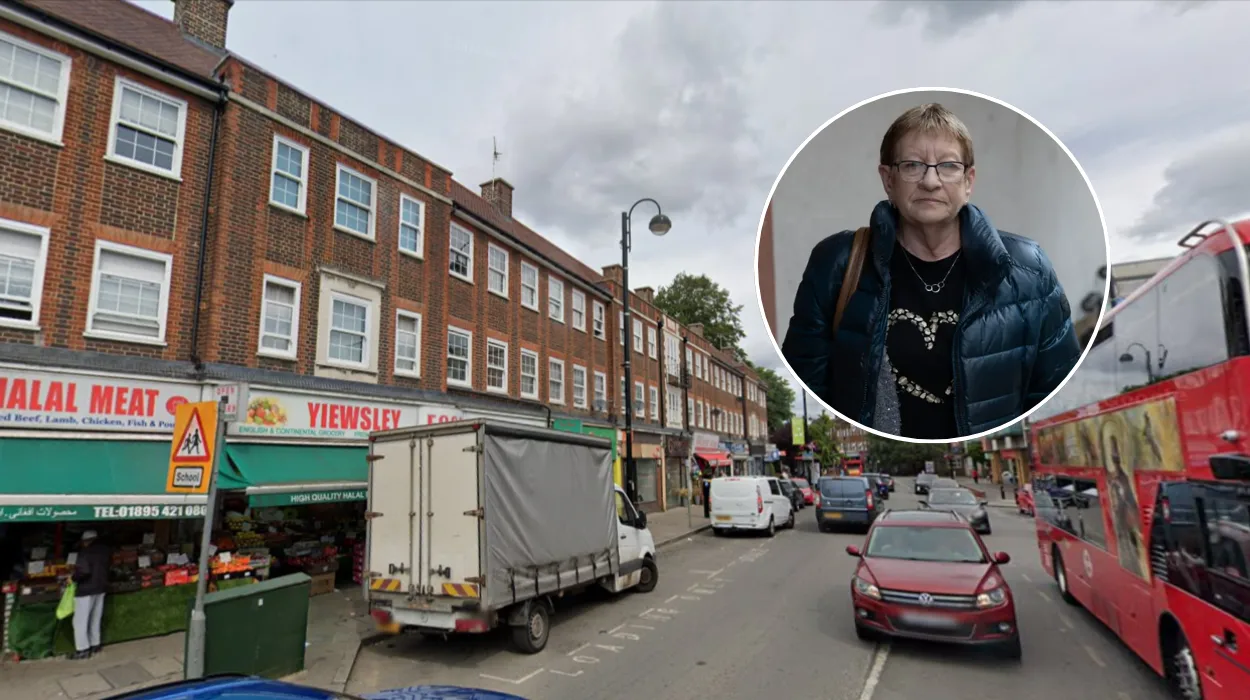
Key Points
- Embarrassment and Isolation: Long-term residents at a block of flats in West London report being too ashamed and embarrassed to invite family or friends to visit their homes due to the visual and sanitary decay of their local environment.
- Severe Environmental Decay: The neighborhood surrounding the residential complex is plagued by chronic fly-tipping, severe rodent infestations, accumulating waste, and recurring instances of public defecation.
- “Slum” Conditions Deplored: Tenants have openly described their living conditions as a “slum” and “rat city,” highlighting a steep decline in the safety, cleanliness, and overall quality of life in recent years.
- Management Disruption: Housing association Home Group, which is responsible for the upkeep and management of the block, has officially apologised to the tenants for severe operational delays.
- Staffing Shortages Blamed: The housing provider attributed the breakdown in property maintenance and oversight to ongoing difficulties in recruiting a dedicated local housing manager.
- Action Promised: Following escalating complaints from the community, Home Group has confirmed that a full property inspection has finally been carried out to address the backlog of health and safety violations.
Yiewsley (The Londoner News) June 18, 2026 — A community of despondent residents living within a block of residential flats in West London have revealed that they are trapped in a state of perpetual embarrassment, actively preventing family and friends from visiting their properties due to an escalating crisis of fly-tipping, severe rodent infestations, anti-social behaviour, and instances of human defecation occurring directly outside their front doors. The ongoing environmental and sanitary breakdown at Felix Court, situated in the suburban town of Yiewsley within the London Borough of Hillingdon, has allegedly transformed a standard residential complex into what desperate occupants describe as an unlivable and unhygienic environment. In response to mounting public pressure and tenant outcries regarding the rapid deterioration of the site, the housing association responsible for managing the block, Home Group, has issued a public apology, citing severe recruitment difficulties as the primary catalyst for the operational neglect.
- Key Points
- What Are the Primary Grievances of the Felix Court Residents?
- How Has the Crisis Affected the Daily Lives and Mental Health of Tenants?
- Why Has the Housing Association Failed to Maintain Felix Court?
- What Immediate Actions Are Being Taken to Resolve the Slum Conditions?
- What Is the Broader Context of Fly-Tipping and Social Housing Neglect in West London?
- How Can Affected Tenants Seek Legal Recourse?
What Are the Primary Grievances of the Felix Court Residents?
According to detailed field reporting compiled by journalists at BBC News, the daily reality for the individuals occupying the flats at Felix Court involves navigating an array of hazardous conditions that pose direct threats to both public health and personal dignity. Long-term tenants have documented a sharp rise in illegal waste dumping—commonly known across the United Kingdom as fly-tipping—where bulk household items, commercial debris, and miscellaneous refuse are routinely abandoned in communal areas.
This unchecked accumulation of rubbish has subsequently triggered a secondary crisis: a pervasive and visible rodent problem. Residents note that the abundance of discarded food waste and sheltered debris has created ideal breeding grounds for vermin, leading to rats openly roaming the walkways and common grounds of the estate.
Beyond the structural and environmental blight, the human element of the crisis has caused significant distress. The local community has reported an influx of anti-social behaviour, which culminates in highly volatile social environments during late-night hours. Most disturbingly, tenants have frequently encountered human waste deposited on the exterior pathways and stairwells directly servicing their private residences, a factor that has pushed the psychological toll on the community to a breaking point.
How Has the Crisis Affected the Daily Lives and Mental Health of Tenants?
As detailed in the investigative accounts published by BBC News, the psychological impact of living amidst such compounding environmental degradation has forced multiple residents into deep social isolation. The loss of a sense of pride in one’s home has directly translated into a reluctance to maintain interpersonal relationships within their domestic spaces.
As reported by BBC News, a prominent local resident named Susan, who has occupied a flat within the Felix Court complex for more than twelve years, provided a harrowing characterisation of her immediate surroundings, stating that the area has effectively devolved into “rat city.” Susan’s testimony underscores a timeline of steady, uninterrupted decline, noting that while the estate was once a perfectly acceptable and pleasant place to reside, the conditions have worsened exponentially over the latter half of her tenancy.
The sentiment of profound social alienation was echoed strongly by another neighbor. As documented in the original coverage by BBC News, a fellow resident named Elaine stated:
“It’s like a slum, it is a slum. I try not to have visitors, it’s embarrassing.”
This direct admission highlights the deep-seated humiliation felt by the contractual tenants of Felix Court, who find themselves paying rent for properties they feel legally and socially uncomfortable sharing with their loved ones. The continuous exposure to filth, combined with the fear of being judged for the squalor surrounding their properties, has fundamentally altered the domestic routines of those trapped inside the complex.
Explore more West London News:
Pedestrian Fatally Struck by HGV on The Parkway: Hayes 2026
Hillingdon Council Approves Controversial Wepham Close Housing: Yeading 2026
Why Has the Housing Association Failed to Maintain Felix Court?
To understand how a modern London residential block could fall into such a severe state of disrepair, attention has turned strictly toward the institutional oversight provided by the managing body. Home Group, one of the United Kingdom’s largest providers of high-quality housing and integrated health and social care, holds the direct responsibility for the property management, structural maintenance, and communal upkeep of Felix Court.
When confronted with the explicit testimonies of Susan and Elaine regarding the presence of rodents, fly-tipping, and public biohazards, the housing provider admitted that its standard of service had fallen unacceptably short of regulatory obligations. In statements verified by BBC News, representatives from Home Group extended an unreserved apology to all affected residents for the prolonged delays in addressing the environmental failures at the Yiewsley site.
The organization defended its administrative shortcomings by pointing toward a structural breakdown in its localized management chain. According to the official organizational response provided to BBC News, Home Group stated that it had been severely impacted by “problems in recruiting a new housing manager” to oversee the Felix Court block. This vacancy left the property without a direct, dedicated authority figure to monitor contractors, log tenant complaints, coordinate with municipal waste disposal services, and ensure the basic enforcement of tenancy agreements regarding anti-social behaviour and communal cleanliness.
What Immediate Actions Are Being Taken to Resolve the Slum Conditions?
Following the escalation of the issue into the public eye via national media reporting, the management team at Home Group has reportedly initiated an emergency response strategy designed to reverse the degradation of the estate and restore safety to the tenants.
Has a Property Inspection Been Conducted?
Yes. As reported by BBC News, the housing association confirmed that following the formal filing of these severe tenant grievances, its regional teams had finally “carried out a full inspection” of the Felix Court premises. This comprehensive assessment was designated to catalog every active instance of fly-tipping, identify structural entry points contributing to the rodent infestation, and map out immediate logistical interventions required to sanitise the walkways.
When Will a Permanent Housing Manager Be Appointed?
While Home Group has acknowledged that the root cause of the operational delay stems from a lack of on-site leadership, the association has asserted that it is actively expediting its recruitment protocols. The organization intends to place a qualified, permanent housing manager at the site to re-establish a continuous chain of accountability. In the interim, secondary supervisory staff are expected to monitor the implementation of pest control measures and waste removal schedules.
What Is the Broader Context of Fly-Tipping and Social Housing Neglect in West London?
The crisis unfolding at Felix Court in Yiewsley is not an isolated incident within the contemporary British urban landscape. Journalistic investigations across the Greater London area frequently reveal a systemic tension between understaffed housing associations, local municipal councils, and tenants experiencing a measurable drop in social housing standards.
Fly-tipping, in particular, has become an expensive and persistent epidemic for local authorities like the Hillingdon Council. When illegal dumping occurs on private or housing association land, a bureaucratic grey area often emerges regarding who is financially and logistically responsible for the immediate clearance of the waste. While municipal teams handle public highways, housing associations are legally bound to clear their own internal estates. When these associations face staffing shortages—as admitted by Home Group—the waste remains stationary for weeks, acting as an open invitation for further illegal dumping and rapidly accelerating the arrival of pests.
Furthermore, the presence of human waste and severe anti-social behaviour points to a wider breakdown in community policing and estate security. Legal experts note that housing associations possess clear statutory powers to issue tenancy warnings, install closed-circuit television (CCTV) monitoring systems, and coordinate directly with the Metropolitan Police Service to curb illicit activity on their properties. The prolonged absence of a dedicated housing manager at Felix Court effectively severed these protective mechanisms, leaving vulnerable tenants like Susan and Elaine to bear the brunt of an unmanaged urban crisis. The case remains a stark reminder of how rapidly an essential residential block can transition from a community asset into an embarrassing local slum when corporate accountability and human empathy are absent from property management.
How Can Affected Tenants Seek Legal Recourse?
Under current UK housing legislation, tenants facing protracted environmental hazards that render their homes unfit for habitation have the right to escalate complaints to the Housing Ombudsman. If an association fails to act within a reasonable timeframe after an inspection, residents can collectively pursue legal action for breach of tenancy agreements, potentially forcing court-ordered repairs and financial compensation for the distress and loss of amenity suffered during the period of institutional neglect.