Key Points
- East London Mosque launched the Discover One New Muslim Hub on 24 April 2026 to support new Muslims experiencing isolation.
- The hub, located on Whitechapel Road in Tower Hamlets, provides mentoring, education, and community integration services.
- Dr Nathan Musa Gubbins, Engagement Officer, highlighted challenges for reverts in building trust and navigating family relationships.[query]
- Sufia Alam, Head of Programmes at the Maryam Centre, referenced five-year-old research on why some converts leave Islam due to lack of support.[query]
- The initiative acts as a gateway to wider mosque activities, aiming to integrate new Muslims fully into community life.[query]
- Leaders emphasise community responsibility to prevent isolation after taking the Shahadah, with plans for service expansion.[query]
- The East London Mosque is one of Europe’s largest, serving thousands and offering extensive community services.
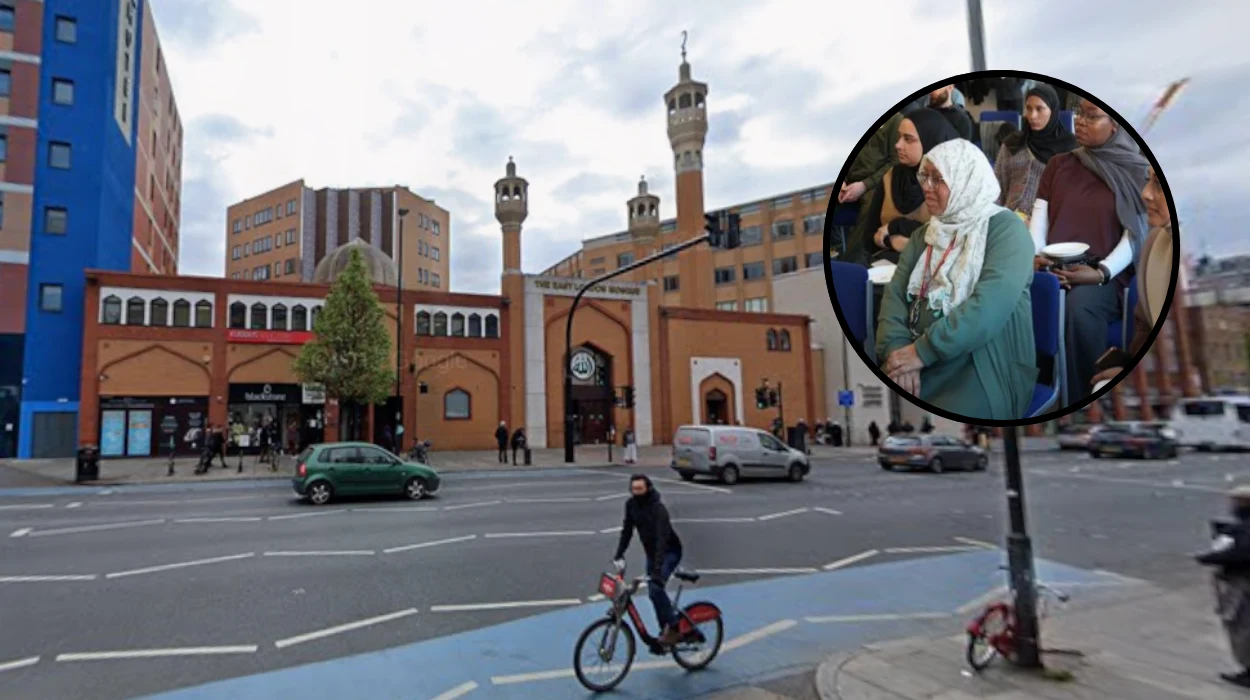
Tower Hamlets (The Londoner News) April 29, 2026 – The East London Mosque has launched a dedicated support centre called the Discover One New Muslim Hub to assist individuals who have recently embraced Islam, addressing concerns over isolation among new converts. The facility officially opened on 24 April 2026 and offers structured support including mentoring, education, and help with community integration. Mosque leaders stated that the hub responds to challenges faced by new Muslims lacking support networks within the community.
- Key Points
- What is the Discover One New Muslim Hub?
- Why was the New Muslim Hub launched?
- Who are the key figures behind the launch?
- How does the hub support new Muslims?
- What challenges do new Muslims face according to mosque leaders?
- What is the background of the East London Mosque?
- What are the future plans for the Discover One Hub?
- How has the launch been received?
What is the Discover One New Muslim Hub?
The Discover One New Muslim Hub serves as a permanent space for new Muslims at the East London Mosque on Whitechapel Road, Tower Hamlets, one of Europe’s largest mosques serving thousands of worshippers.
As detailed in the mosque’s official announcement, the hub provides a range of services tailored to reverts, fostering education, social events, and integration into broader mosque activities.
Engagement Officer Dr Nathan Musa Gubbins, speaking at the launch event covered by the East London Mosque’s communications, described the hub’s role in mirroring the compassion found in Islamic teachings.
“For us as reverts, the concept of trust is really key,”
said Dr Gubbins.
“Making that decision, to enter into this beautiful faith, is so rewarding, but can also be so difficult with family and with friends. What we need is a community that mirrors the love and compassion we read about in the Seerah. That is what this Hub is here to offer.”
The hub is designed not to operate in isolation but as a gateway encouraging participation in congregational prayers and community events, according to statements from the launch.
Why was the New Muslim Hub launched?
Leaders at the East London Mosque launched the hub amid growing concerns that many new Muslims face isolation without adequate support systems. As reported in the mosque’s news update dated 25 April 2026, the initiative directly addresses these challenges for those embracing Islam.
Sufia Alam, Head of Programmes at the Maryam Centre, recalled research from around five years ago that she was involved in, which explored why some converts later leave the faith due to insufficient ongoing support. Reflecting on the findings in her launch speech, Alam said it prompted difficult questions for individuals and institutions.
“Taking the Shahadah is itself a great sacrifice. To walk away because nobody put their arms around them; that is something we are responsible for,”
Alam added that this realisation marked a turning point, shaping the Discover One programme and the hub’s creation.
“We don’t want to see you only in the Hub. We want to see you in the prayer halls as every other Muslim, as pioneers and as leaders,”
she emphasised.
Who are the key figures behind the launch?
Dr Nathan Musa Gubbins, the mosque’s Engagement Officer, played a prominent role at the opening event on 24 April 2026. Previously featured in mosque events such as author talks on Muslim history, Gubbins underscored the emotional and relational hurdles for new Muslims.
Sufia Alam, Head of Programmes at the Maryam Centre – a women-focused facility within the London Muslim Centre – drew from her experience in community services and research. Her work, as noted on her professional site, involves education, counselling, and welfare issues, aligning with the hub’s goals.
Mosque leaders collectively hope the hub will build friendships, reduce isolation, and ensure new Muslims feel valued from the outset, with expansion plans in response to demand.
How does the hub support new Muslims?
The hub offers mentoring to build trust, educational programmes on faith, and activities for community integration, as outlined in promotional materials from the East London Mosque. It responds to the “rewarding yet challenging” journey of conversion, particularly in maintaining family ties.
According to Dr Gubbins’ remarks at the launch, the space embodies Seerah-inspired compassion, providing a supportive network. Sufia Alam stressed institutional responsibility, warning that isolation represents a community failure.
Facebook posts from the mosque confirm the hub is now open as a permanent home, welcoming new Muslims for ongoing engagement beyond initial support.
What challenges do new Muslims face according to mosque leaders?
New Muslims often lack support networks, leading to isolation that can result in leaving the faith, as per five-year-old research cited by Sufia Alam.
“Embracing Islam can involve significant personal sacrifice,”
she noted, highlighting the need for communal embrace post-Shahadah.
Dr Nathan Musa Gubbins pointed to trust issues and difficulties with family and friends.
“What we need is a community that mirrors the love and compassion we read about in the Seerah,”
he said, positioning the hub as that solution.
These challenges prompted the hub’s creation as the first step, with leaders indicating future expansions to meet growing demand.
What is the background of the East London Mosque?
Located on Whitechapel Road in Tower Hamlets, the East London Mosque is among Europe’s largest, established in 1910 and serving over 250,000 during Ramadan. It offers extensive services including education, counselling, and welfare through facilities like the Maryam Centre.
The mosque has a history of community initiatives, such as Discover One’s earlier events for new Muslims, evolving into this dedicated hub.
What are the future plans for the Discover One Hub?
Leaders view the launch as an initial step, planning to expand services based on demand to further combat isolation. The hub aims to produce pioneers and leaders integrated into prayer halls and activities.[query]
As per the mosque’s vision shared at the event, ongoing support will strengthen community bonds, ensuring new Muslims remain connected.
How has the launch been received?
The opening on 24 April 2026 drew guests to the East London Mosque & London Muslim Centre, with social media posts announcing it as now open. Coverage on the mosque’s platforms highlights positive community focus, though no external media critiques were noted in recent reports.