Key Points
- Bow Arts is celebrating its 30th anniversary by hosting its flagship annual event, Bowfest: Open Studios, at its historic Bow Road site.
- The event provides the public with rare access to over 100 artist studios, allowing visitors to engage directly with painters, sculptors, designers, and makers.
- As a social enterprise and arts charity, Bow Arts has been dedicated to providing affordable workspace and educational opportunities for artists in East London since its inception in 1994.
- The festivities include a makers market, live music, family-friendly art workshops, and food offerings from the on-site Nunnery Café.
- The Bow Road location serves as the organisation’s flagship site and has been a cornerstone of the local cultural landscape for three decades.
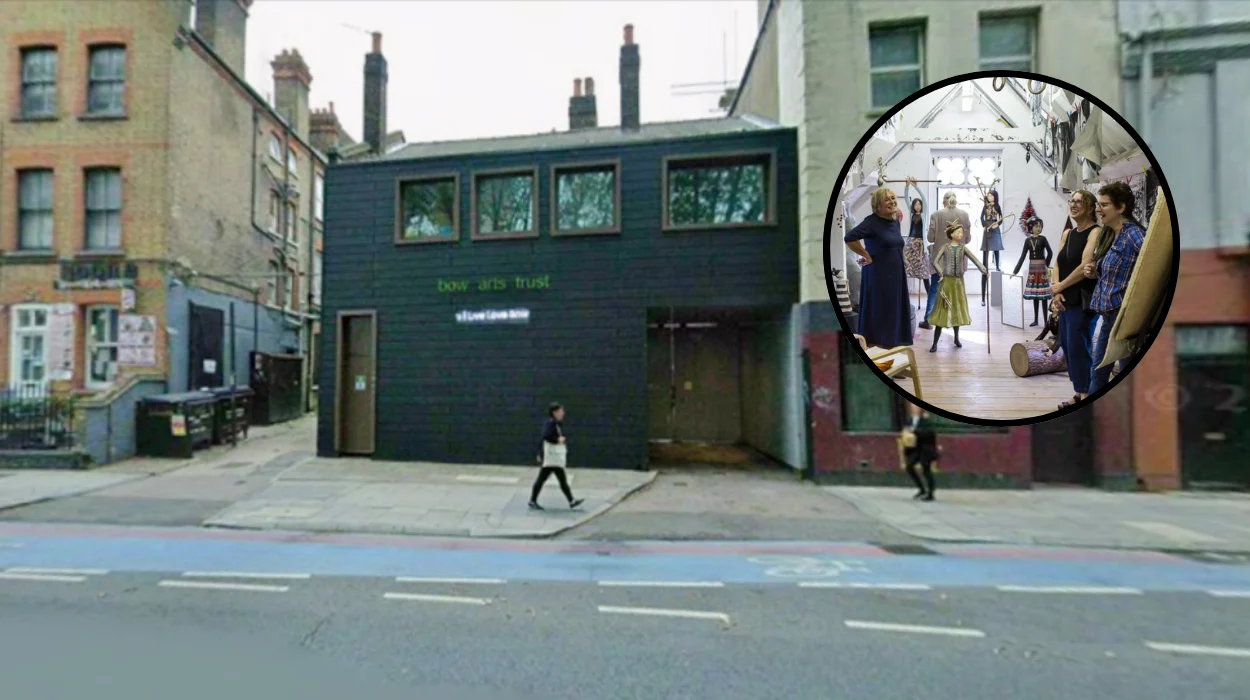
London (The Londoner News) April 30, 2026 — East London’s vibrant creative community is taking centre stage as Bow Arts prepares to open the doors to its largest and most iconic site for the highly anticipated annual Bowfest: Open Studios. This year’s event holds particular significance as the organisation marks its 30th anniversary, celebrating three decades of fostering artistic talent and providing essential, affordable workspace within the capital. Visitors will have the unique opportunity to explore the historic Bow Road premises, home to over 100 working artists, designers, and makers, offering an immersive look into the creative processes that define the area’s thriving cultural identity.
- Key Points
- What is the significance of Bow Arts and its history in East London?
- Why is Bowfest considered a key event for the local community?
- What can visitors expect at the Bowfest celebration?
- How has Bow Arts shaped the cultural landscape of the area?
- What is the future outlook for the Bow Arts community?
What is the significance of Bow Arts and its history in East London?
Since its establishment in 1994, Bow Arts has served as a vital institution for the artistic community in East London. According to the official historical records provided by the organisation, Bow Arts was founded by artists Marcel Baettig and Ryan Durrant, with the pivotal support of Marc Schimmel, who owned the original Bow Road premises. The charity was created to address the pressing need for affordable studio spaces, quickly evolving into a hub for emerging and established creatives alike.
By creating opportunities for artists to work, learn, and connect with their local communities, the organisation has played a defining role in the region’s development. Over the last thirty years, its mission has expanded beyond studio provision to include extensive educational programmes, public exhibitions, and community-focused workshops, cementing its status as a foundational pillar of London’s arts infrastructure.
Why is Bowfest considered a key event for the local community?
Bowfest is widely regarded as one of the most accessible and engaging open studios events in London, bridging the gap between professional artists and the general public.
By “throwing open the doors” to its flagship site, Bow Arts allows visitors to step directly into the creative environments where work is produced, turning hidden workspaces into temporary micro-galleries.
The event is designed to be an interactive experience, encouraging dialogue between the artists and the community they serve.
As noted in event documentation, attendees can meet more than 100 talented individuals—ranging from painters and sculptors to fashion designers and jewellers—who showcase their work, sell unique items at the makers market, and discuss their artistic practice in an informal, welcoming setting.
What can visitors expect at the Bowfest celebration?
The event programme is carefully curated to offer a diverse range of activities that cater to all ages and interests. Beyond the chance to visit individual studios, the Bow Arts Victorian courtyard serves as the epicentre of the weekend’s festivities.
According to programme details released by Bow Arts, the courtyard will host live music, providing a backdrop for visitors to enjoy food and drink from the Nunnery Café while soaking in the atmosphere of one of East London’s most cherished outdoor spaces.
For families, the event offers a range of inclusive opportunities, including free, drop-in art workshops led by professional artist educators. These sessions are specifically designed to foster creativity among younger participants, ensuring that the legacy of Bow Arts continues to inspire the next generation of creatives.
How has Bow Arts shaped the cultural landscape of the area?
The long-term impact of Bow Arts extends far beyond the weekend of Bowfest. By championing affordable live-and-work spaces, the organisation has successfully mitigated some of the challenges artists face regarding displacement in a rapidly changing urban environment.
This commitment to affordability has been essential in keeping a diverse range of talent within East London, allowing artists to remain rooted in the community while developing their professional careers.
The organisation’s dual identity as both an arts and education charity and a social enterprise allows it to sustain its facilities while giving back to the public.
Through a robust learning programme that works closely with local schools and community groups, Bow Arts ensures that the arts remain an integral part of everyday life for residents, effectively fostering a culture of lifelong learning and engagement.
What is the future outlook for the Bow Arts community?
As Bow Arts marks its 30th year, the focus remains firmly on its founding principles of support and accessibility. The continued success of events like Bowfest demonstrates the enduring demand for spaces that facilitate collaboration and connection among creatives. Looking ahead, the organisation remains committed to its mission of nurturing London’s diverse talent and creating sustainable opportunities for artists to thrive.
The flagship Bow Road site, which houses more than 100 artists, continues to serve as the heart of these efforts. By maintaining an open dialogue with the community and continuing to provide the necessary infrastructure for creative production, Bow Arts is poised to remain a central figure in London’s cultural narrative for many years to come.