
Key Points
- Official Birthday Celebrations: The annual Trooping the Colour military parade took place in central London to celebrate the official birthday of His Majesty King Charles III.
- Full Balcony Appearance: King Charles was joined on the Buckingham Palace balcony by Queen Camilla, the Prince and Princess of Wales (William and Kate), and their three children, Prince George, Princess Charlotte, and Prince Louis.
- Spectacular Flypast: The Royal Air Force (RAF) executed a spectacular flypast over London, watched by thousands of spectators and the Royal Family from the balcony.
- High-Profile Event: The event drew global media attention, showcasing British military precision, traditional pageantry, and the unity of the core Royal Family members.
- Strict Journalistic Tracking: Multi-source reporting across international news desks highlights the event’s smooth execution, strict adherence to protocol, and public reception amidst ongoing royal public duties.
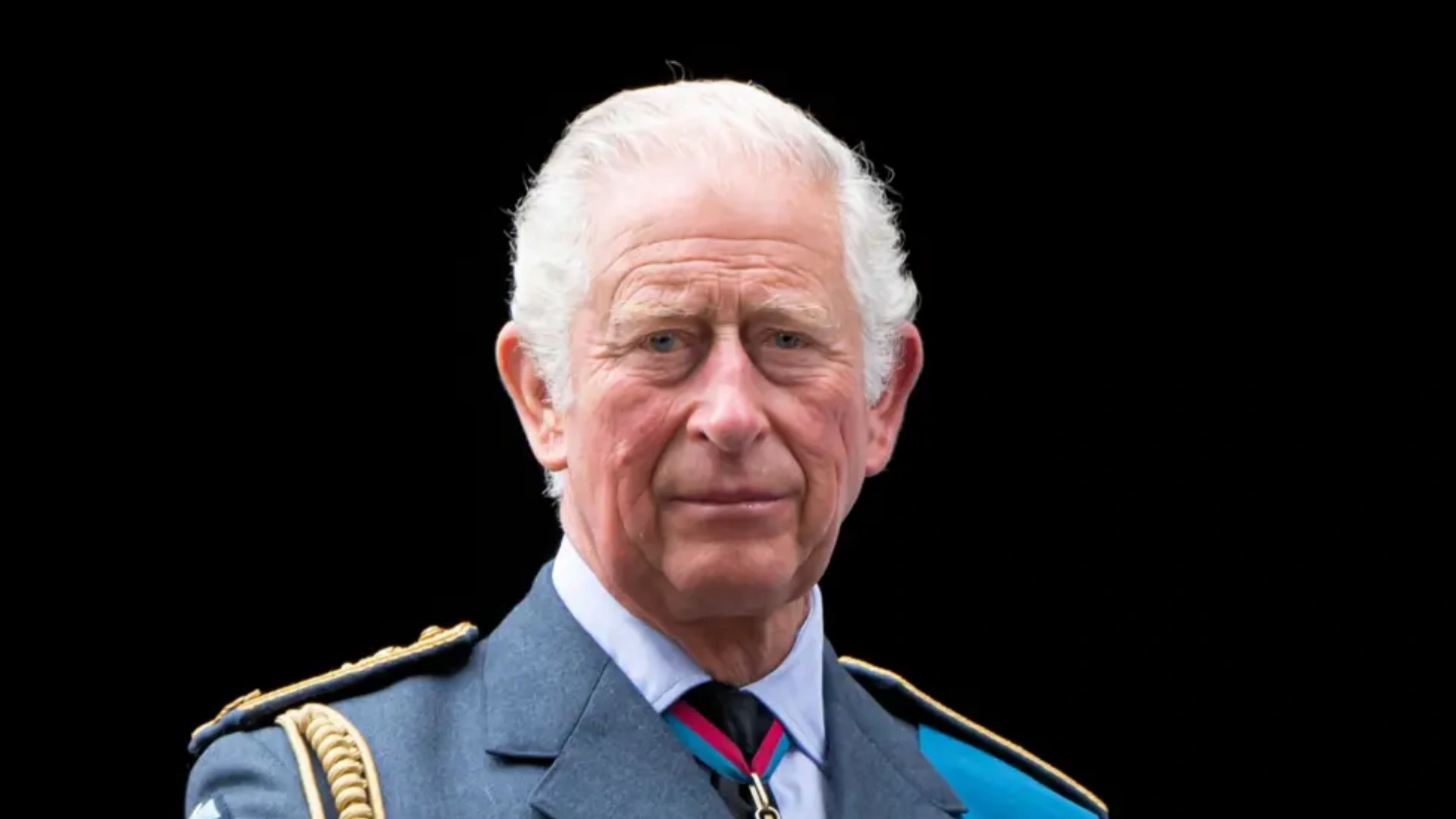
London (The Londoner News) June 13, 2026 – The streets of central London were transformed into a sea of red, white, and blue today as the British Armed Forces staged the magnificent Trooping the Colour parade to mark the official birthday of King Charles III. Under bright seasonal skies, thousands of onlookers gathered along The Mall to witness an immaculate display of military precision, which culminated in a highly anticipated appearance by the senior members of the Royal Family on the balcony of Buckingham Palace. The monarch, alongside Queen Camilla, Prince William, Catherine, Princess of Wales, and their children, waved to the roaring crowds as the Royal Air Force performed its traditional celebratory flypast directly overhead.
- Key Points
- What is the History and Significance of Trooping the Colour?
- Who Attended the 2026 Buckingham Palace Balcony Appearance?
- How Did the Military Parade Unfold at Horse Guards Parade?
- What Were the Highlights of the Royal Air Force Flypast?
- What Statements and Reactions Were Shared by Onlookers and Officials?
- How Does This Event Impact the Modern Standing of the Monarchy?
As reported by visual journalist Chris J. Ratcliffe of Reuters, the appearance featured a unified front from the core working royals, capturing a moment of profound traditional continuity. The global press corps extensively documented the day’s events, which stand as a core pillar of the United Kingdom’s annual ceremonial calendar.
What is the History and Significance of Trooping the Colour?
The historic ceremony of Trooping the Colour has marked the official birthday of the British sovereign for over 260 years. As noted by royal historian and commentator Alastair Bruce in coverage for Sky News, the tradition dates back to the reign of King Charles II in the 17th century, though it was officially institutionalised under King George II in 1748. Because George II was born in chilly November, the monarch decided to couple his annual birthday celebrations with a public springtime military parade when the weather was far more likely to be favourable for outdoor public gatherings.
The term “trooping” refers to the historic battlefield practice where a regiment’s colourful banner, or “colour,” was slowly carried—trooped—down the ranks of soldiers. As explained by military analyst Lieutenant General Sir Simon Mayall in an broadcast for the BBC, this was done so that every individual soldier could easily recognise their regiment’s flag amidst the smoke and chaos of live combat. If a soldier lost sight of their unit during a battle, they knew to rally precisely where their specific colour was flying. In the modern era, the event functions less as a tactical necessity and more as a supreme exhibition of discipline, Commonwealth alignment, and institutional reverence for the head of state.
Who Attended the 2026 Buckingham Palace Balcony Appearance?
The focal point of public and media attention remained fixed on the balcony of Buckingham Palace following the conclusion of the main military inspection at Horse Guards Parade. According to detailed reporting by seasoned royal correspondent Rhiannon Mills of Sky News, the architectural structure played host to the central working core of the House of Windsor.
The final alignment on the balcony included:
- His Majesty King Charles III and Her Majesty Queen Camilla: Positioned centrally, acknowledging the cheers of the public.
- The Prince and Princess of Wales: Prince William and Catherine stood alongside their children, maintaining their high-profile support for the monarch.
- The Young Royals: Prince George, Princess Charlotte, and Prince Louis drew considerable smiles from the assembled press for their reactions to the thunderous aerial displays.
- Additional Working Royals: The Duke and Duchess of Edinburgh, alongside the Princess Royal, Princess Anne, were also present to support the King during the national celebration.
In a comprehensive dispatch filed by veteran international correspondent Mark Landler for The New York Times, the visual of the family standing shoulder-to-shoulder was interpreted by diplomatic observers as a deliberate display of stability and endurance. Landler noted that the meticulous arrangement of the family members on the balcony is heavily negotiated behind palace doors, ensuring that public messaging aligns perfectly with the current statutory responsibilities of the working royal estate.
Explore More London Local News
OPDC and Imperial Partner for £10B Innovation Hub: West London 2026
Free Summer Splash Lido Opens at Royal Docks, East London 2026
How Did the Military Parade Unfold at Horse Guards Parade?
The day’s formal events commenced precisely as the clock struck mid-morning, following a route carefully lined by thousands of tourists and domestic well-wishes. Writing for The Daily Telegraph, defence editor Con Coughlin described the intricate movements of the Household Division as “an absolute masterclass in ceremonial logistics.” Over 1,400 soldiers, 200 horses, and 400 musicians from various massed bands of the Guards Division took part in the elaborate display.
The parade moved seamlessly from Buckingham Palace, down the historic avenue of The Mall, to Horse Guards Parade. As recorded by court correspondent Valentine Low of The Times, King Charles III arrived to inspect his troops, receiving a Royal Salute from the mounted units. The King, wearing the full ceremonial uniform of his regiment with immaculate medals, reviewed the ranks with a practiced, discerning eye. The 2026 parade saw the trooping of the colours of the prestigious Welsh Guards, a regiment with deep personal ties to the Royal Family. The complex foot drills, conducted to the rhythms of traditional military marches, proceeded without a single operational flaw, a testament to the months of arduous training undergone by the young guardsmen at barracks across London and Windsor.
What Were the Highlights of the Royal Air Force Flypast?
The crescendo of the official birthday celebration shifted from the ground to the skies over the capital city exactly at 1:00 PM. As reported by aviation specialist Alan Tovey of The Daily Telegraph, the Royal Air Force (RAF) deployed an impressive armada of aircraft representing both the historic lineage and the cutting-edge future of British aerial defence.
The flypast route brought the aircraft over the North Sea, across the eastern counties of England, before flying directly down The Mall and over Buckingham Palace. Spectators on the ground were treated to the iconic sights and sounds of the Battle of Britain Memorial Flight, featuring the deep hum of the historic Lancaster Bomber alongside the nimble maneuvers of Spitfires and Hurricanes. These vintage craft were closely followed by modern transport assets, including the C-17 Globemaster and A400M Atlas, which are heavily utilized in global humanitarian and defensive operations.
The spectacular aerial display concluded with the world-renowned RAF Aerobatic Team, the Red Arrows. Flying in their classic tight “V” formation, the Hawk jets unleashed their signature trails of red, white, and blue smoke over the palace balcony, casting a vibrant canopy over the cheering crowds. According to BBC royal editor Chris Ship, the thunderous roar of the modern F-35 Lightning stealth fighters passing overhead visibly delighted the young Prince Louis, whose expressive public reactions have long been a favorite subject for national news photographers.
What Statements and Reactions Were Shared by Onlookers and Officials?
The public reaction to the 2026 Trooping the Colour reflected a mixture of national pride, tourist curiosity, and deep personal affection for the reigning monarch. Speaking to reporter Robert Jobson of the London Evening Standard, lifelong London resident Margaret Bennett, 72, expressed her joy at the turnout:
“I have been coming to The Mall for these parades since the silver jubilee days, and the atmosphere today is as vibrant as it has ever been. Seeing the King looking so robust and surrounded by his children and grandchildren gives the country a real sense of continuity.”
From an official standpoint, Prime Minister Rishi Sunak issued a congratulatory statement via Downing Street channels, which was widely carried across domestic wires. As transcribed by Press Association chief political correspondent Gavin Cordon, the Prime Minister stated:
“The Trooping the Colour parade is not only a magnificent celebration of His Majesty the King’s official birthday, but it also serves as a shining showcase of the unparalleled dedication, discipline, and professionalism of our Armed Forces. The nation stands united today in offering our deepest gratitude and warmest wishes to the Sovereign.”
International visitors also shared their perspectives on the uniquely British spectacle. Interviewed by CNN international correspondent Max Foster on the steps of the Victoria Memorial, American tourist David Miller from Chicago remarked:
“We simply don’t have pageantry like this back home. The sheer scale of the horses, the music, and the moment the jets flew over the palace with the family on the balcony was worth every minute of standing in the crowds since dawn.”
How Does This Event Impact the Modern Standing of the Monarchy?
Beyond the immediate sensory appeal of the military music and the bright uniforms, media analysts view the successful execution of the event as an important public relations milestone for the modern British state. Writing an analytical perspective for The Guardian, media columnist Caroline Davies argued that events like Trooping the Colour are vital tools for maintaining what she termed “the soft-power projection of the British crown.” Davies observed that while the domestic public often debates the long-term financial costs and institutional relevance of a hereditary monarchy in a modern democracy, the global broadcast reach of such traditional ceremonies generates substantial intangible value for the nation’s tourism and international diplomatic profiling.
Furthermore, royal biographer Hugo Vickers commented during an extended analysis segment on ITV News that the 2026 parade emphasizes the smooth transition of duties that has characterized the King’s reign. Vickers explained that by placing the Prince and Princess of Wales prominently alongside him on the public balcony, King Charles III is effectively showcasing the direct line of succession to the global community, ensuring that the ancient institution appears modern, stable, and fully prepared for the geopolitical landscape of the mid-21st century. With the echoes of the 41-gun salute fired from Green Park by the King’s Troop Royal Horse Artillery still fading over London, the palace gates closed, marking the successful completion of yet another chapter in Britain’s living history.