
Key Points
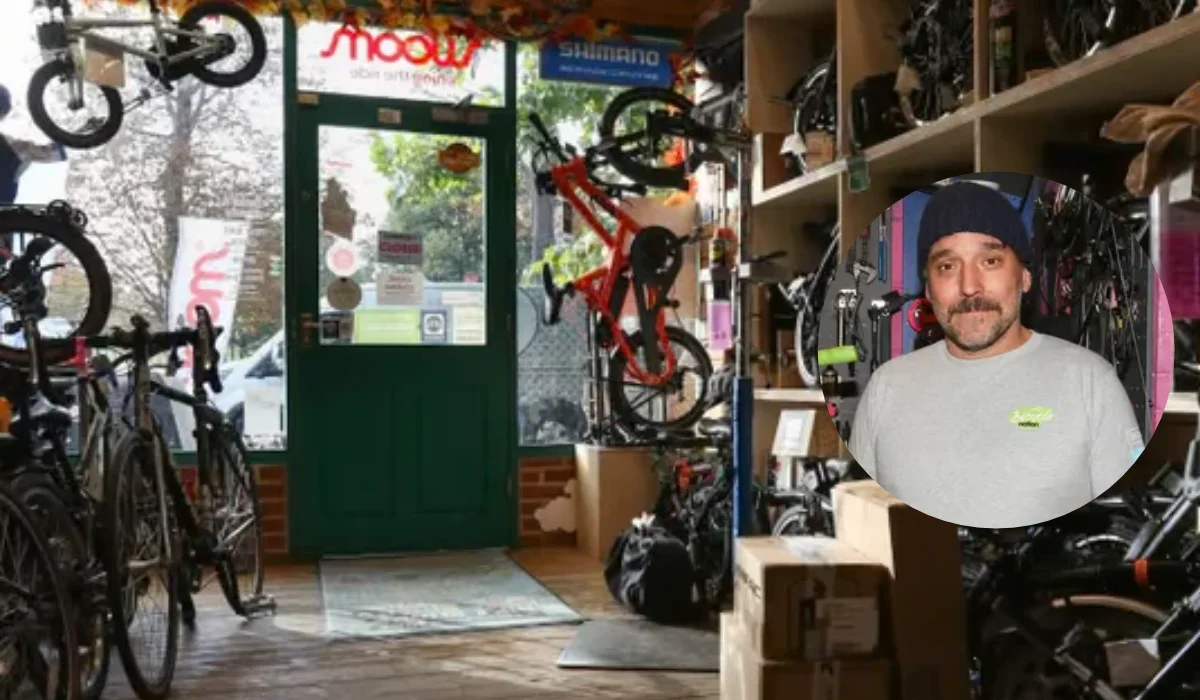
- Severe Sewage Odour Crisis:Bicyclenation, a popular independent bicycle repair and retail shop in Herne Hill, south London, has been impacted by an unbearable, toxic stench emanating from underground Thames Water mains sewers beneath the premises.
- Physical Health and Staff Impact:Exposure to the gassy emissions forced mechanic staff members to vomit, barred customers from entering, and compelled staff to conduct bicycle maintenance on the outdoor pavement.
- Thames Water Liability Acknowledgement:After months of attributing the odour to alternative sources or gas leaks, Thames Water formally accepted liability, confirming a mains sewer beneath the shop was the source.
- No Firm Resolution Date:Despite accepting responsibility, Thames Water has failed to provide a concrete timeline or fix date for resolving the problem, leaving 11 employees in health and financial uncertainty.
- Expert Warnings on Drought and System Build-Up:Academic experts warn that recent dry summer conditions cause untreated sewage to stagnate in Victorian-era pipes without rainwater to flush it out, generating cyclical waves of harmful gases like methane.
- Business Survival Measures: The shop’s board has set up a dedicated webpage requesting customers sign up for a collect-and-repair service to sustain operations as winter approaches.
London (The Londoner News) October 17, 2026 – Executive Summary: An independent bicycle shop in Herne Hill, south London, is facing severe operational disruption and financial distress due to an acrid, toxic odour rising from Thames Water sewers.Bicyclenation owner Tamas Polocz and his team of 11 mechanics have been forced to evacuate the store up to five times daily, moving repairs to the outdoor pavement.Although Thames Water accepted liability for the subterranean sewer fault, the company has provided no resolution date, prompting experts to call for urgent modernization of London’s Victorian sanitation network.
- Key Points
- What Triggered the Sewer Stench at the Herne Hill Bicycle Shop?
- What Are Scientific Experts and Thames Water Saying About the Sewer Failure?
- How Is the Stench Impacting the Health of Staff and Commercial Viability?
- Background of London’s Victorian Sewer Network and Modern Utility Challenges
- How This Development May Affect Urban Businesses and Utility Governance
What Triggered the Sewer Stench at the Herne Hill Bicycle Shop?
The subterranean problem first manifested in June 2026, when a repulsive, sulfurous odour began rising through the floorboards of the Herne Hill premises.
As reported by Sandra Laville of The Guardian, Bicyclenation owner Tamas Polocz confirmed that the initial wave of gas was so intense it caused his colleague, a mechanic named Nick, to vomit.The shop established a formal log—termed a “smell chart”—to record the frequency, duration, and sensory characteristics of the emissions.The records show that the putrid wafts occur at least five times daily, described by staff using terms including “cabbage”, “teargas”, “onions”, “spicy BBQ”, rotten eggs, and repeated references to raw sewage.
Describing the immediate physical sensation of the gas, Tamas Polocz told The Guardian: “It’s unbearable. You can’t be in the shop when it comes”.Polocz expanded on the pervasive nature of the fumes: “It has a really strong physical presence. This is a smell you take home with you. It’s in your hair, on your skin, sometimes it feels it’s inside your skin. When you go home and cough, you taste it again”.
Initial diagnostic attempts were plagued by administrative delays.Thames Water initially posited that the odor originated from a domestic natural gas leak.However, extensive testing conducted by the regional gas supplier definitively ruled out gas line fractures. According to reporting by Sandra Laville of The Guardian, Thames Water officially accepted that a mains sewer located directly beneath Bicyclenation was the source of the problem. Recounting the moment liability was admitted, Polocz stated: “Thames Water have always tried to push me away, or blame others. When they finally accepted liability last week I just broke down. But we still don’t have a date for fixing it”.
What Are Scientific Experts and Thames Water Saying About the Sewer Failure?
Engineering and public health scholars indicate that the incident highlights systemic vulnerabilities within urban wastewater networks during prolonged dry spells.
An engineer representing Thames Water informed Tamas Polocz that the accumulation of foul gas was likely linked to a prolonged lack of summer rainfall, alongside historical maintenance oversights.Specifically, the engineer noted that a cast-iron ventilation pipe previously responsible for drawing sub-surface gases away from the shop structure had not been replaced during prior works.
As reported by The Guardian, Professor Barbara Evans, Chair of Public Health Engineering at the University of Leeds, provided scientific context regarding why the emissions occur in intermittent wafts.Professor Evans stated: “It sounds like methane and it’s probably unsafe working conditions. Biological processes are cyclical just like in your digestive system, which is why sewer smells come in wafts”.
Addressing the impact of precipitation, Polocz recalled hoping that recent rainfall would clear the pipes, stating: “I looked out through the window at home and thought, oh good, but it didn’t make any difference. Even after the rain there was still the smell. Maybe the rain will eventually clear it, but we don’t know. Something is happening down there that is pushing the smell up“.
In response, Professor Evans explained: “The first flushes of rain will probably make things smell worse because it just stirs things up. It needs a lot of rain to clear. There might be some blockage there but it’s impossible to know without a proper inspection”. Professor Evans emphasized broader infrastructure implications, adding: “This underlines the need for a rethink of our sewers. The system was designed for a climate that we just don’t currently have any more”.
When questioned by The Guardian regarding repair timelines and potential compensation, a spokesperson for Thames Water stated: “Our teams are investigating the source of an odour reported at a bike shop. Initial investigations have confirmed there are no blockages in the sewers surrounding the property. Odour monitors are to be installed, which will enable engineers to detect, measure and track odorous gases in real time and help determine the exact cause”.
How Is the Stench Impacting the Health of Staff and Commercial Viability?
The ongoing environmental hazard has placed Bicyclenation’s 11 staff members under severe physical, psychological, and financial strain.
To keep the business functional, mechanics have split work shifts between brief indoor sessions and extended repair work conducted on the outdoor public footpath.However, management cautions that outdoor operations are unsustainable as autumn temperatures drop.
As reported by The Guardian, Harriet Talbot, a board member of Bicyclenation, stressed that weather dependency threatens the firm’s existence: “You can’t run a business relying on the weather”. To mitigate losses, Talbot helped launch a dedicated web platform requesting local customers to utilize a pick-up and repair delivery service.
The personal impact on business management has been acute. Tamas Polocz, aged 49, reflected on his deteriorating health and sleep deprivation: “I’m 49, but today I feel 62-ish. We have guys calling in sick. It affects you both physically and mentally”.Polocz described his daily anxiety: “The last thought of the day and the first thought of the day are now both the same. And I wake up at night thinking: what are we going to do about it? I try to listen to a podcast, but I still keep thinking about the smell. Somehow I’m going to get through this and change back to normal”.
Background of London’s Victorian Sewer Network and Modern Utility Challenges
The infrastructure crisis at Herne Hill reflects widespread vulnerabilities in London’s subterranean sanitation architecture. Much of the capital’s core sewer network was engineered by Sir Joseph Bazalgette in the 1860s following the “Great Stink” of 1858, an event where untreated human waste in the River Thames brought parliamentary business to a halt. While Bazalgette’s brick-lined combined sewers were revolutionary for the 19th century, they were designed for significantly lower population densities and historical climate patterns characterized by consistent rainfall.
In modern times, private water utility providers including Thames Water have faced mounting public, regulatory, and political scrutiny regarding operational performance, aging infrastructure maintenance, financial leverage, and environmental compliance. Prolonged dry spells and high summer temperatures accelerate the microbial breakdown of organic sediment trapped in stagnant mains pipes. Without adequate surface runoff to flush solids through the system, hazardous gases—including methane, hydrogen sulfide, and ammonia—accumulate in subterranean chambers, escaping through unsealed vintage connections or missing ventilation conduits into commercial and residential properties above.
How This Development May Affect Urban Businesses and Utility Governance
The unresolved sewer emergency in south London is expected to influence local commercial operations, municipal regulatory oversight, and utility infrastructure management:
- For Independent Urban Retailers and High Street Businesses: Small businesses operating in historic or Victorian-era commercial districts face elevated operational vulnerabilities from utility infrastructure failures. Small firms will increasingly require specialized business interruption insurance clauses covering environmental utility defects, alongside adopting remote or mobile service delivery models to maintain revenue during facility evacuations.
- For Private Water Utilities and Regulatory Bodies (Ofwat): Protracted failures to resolve localized sewer gas leaks will likely increase regulatory scrutiny from Ofwat and local environmental health authorities. Utilities will face mandatory requirements to deploy real-time digital gas monitors and fast-track ventilation infrastructure upgrades in high-density commercial corridors.
- For Municipal Infrastructure Planning and Climate Adaptation:The incident will strengthen calls from civil engineers and public health officials for a systemic overhaul of urban drainage networks.Local councils and water authorities will be forced to prioritize climate-resilient flushing mechanisms, retrofitting legacy Victorian pipes to prevent toxic gas build-up during recurring seasonal droughts.